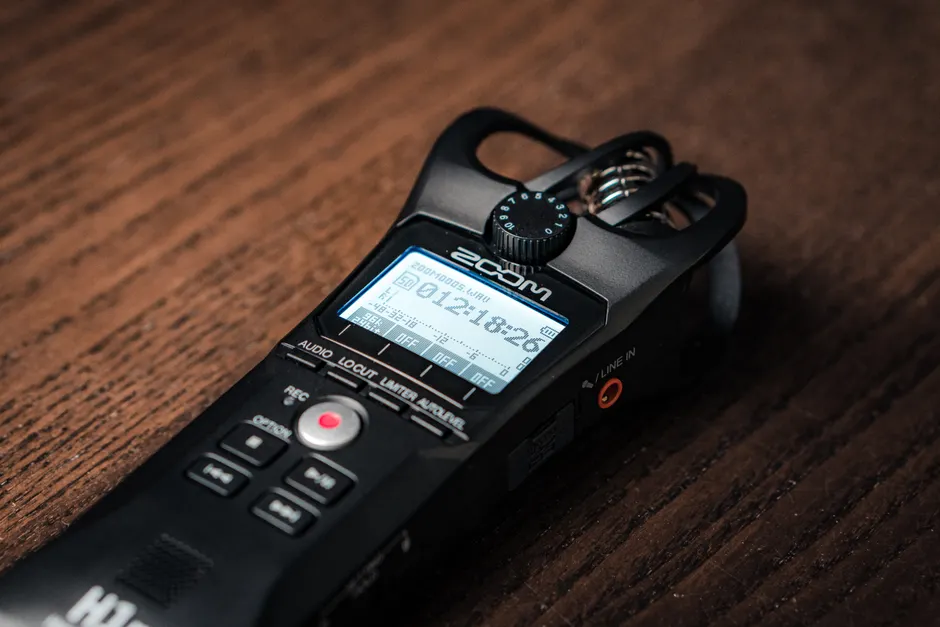
Plaud Crosses $100M ARR on the Back of 2 Million AI Notetakers Shipped

Plaud's software business has crossed $100 million in annual recurring revenue, the AI notetaker company disclosed on June 16, 2026, having shipped more than two million hardware devices to reach that milestone.
The numbers put Plaud in a bracket that very few hardware-led AI startups have reached on the software side. The company sells physical AI notetaking devices — card-sized recorders that capture, transcribe, and summarise meetings or conversations — and pairs them with a subscription software layer that handles the AI processing, storage, and output. Getting to $100M ARR means the hardware installed base converted to paying software subscribers at a rate meaningful enough to build a recurring revenue engine on top of a one-time device sale. That is not a trivial execution problem.
The 2 million units figure is the hinge on which everything else turns. Consumer and prosumer AI hardware has a brutal attach-rate history: devices get bought, used for a month, and shelved. If Plaud's ARR is genuine, the company has avoided that trap — or at least avoided it enough to hit nine figures in software revenue. The ARR figure suggests an average software yield somewhere in the range of $50 per device per year across the installed base, though the actual per-subscriber pricing tiers and churn rate are not disclosed.
The AI notetaker category itself has become crowded fast. Otter.ai, Fireflies, Fathom, and a growing list of software-only competitors all target the same meeting-capture workflow, almost entirely as pure SaaS plays. Plaud's differentiator has been the physical device — a recorder that works independently of a laptop or phone, capturing audio without requiring an app to be running on a host machine. That offline-first capture model has obvious appeal in regulated environments and for users who prefer not to route raw audio through a mobile OS. Whether that hardware moat holds as phone-native and laptop-native transcription improves is a fair question.
Worth flagging: the $100M ARR claim comes from the company itself and has not been independently verified by a third party. ARR figures from private companies frequently reflect different methodologies — annualised monthly revenue, contracted annual value, or something else — and without audited financials the number is best treated as directional rather than precise.
The broader trajectory here is consistent with what has been happening across the AI productivity tool space since late 2023: enterprise and prosumer buyers are now paying for AI-assisted workflows at rates that would have looked optimistic two years ago. The meeting-capture and summarisation use case was one of the first to achieve genuine, repeatable utility — the latency is low, the output is verifiable against the recording, and the time savings are immediate enough for users to feel them in the same week they subscribe. That combination of fast feedback and clear ROI has made it one of the stickier corners of the AI application layer.
Plaud reaching $100M ARR on a hardware-anchored model adds a data point that is slightly different from the pure-SaaS comps. It suggests there is a segment of buyers — likely skewing toward executives, frequent travellers, and roles with high meeting loads — willing to pay both for the device and the ongoing subscription, rather than defaulting to a free or low-cost software-only alternative. Whether Plaud can extend that willingness into larger enterprise deals, where procurement, security review, and data-residency requirements add friction, is where the next phase of the story will play out.
Two million devices is also a manufacturing and logistics achievement that tends to get underweighted in software-first coverage. Running a hardware supply chain at that volume, while simultaneously building the ML pipeline for transcription, summarisation, and whatever downstream features justify the subscription, requires a different organisational muscle than a pure SaaS business. Companies that have pulled off both halves — consumer hardware plus a durable software revenue stream — can be counted without running out of fingers. Plaud has, at minimum, earned a closer look.