Pocket Raises $11M Betting on Dedicated AI Note-Taking Hardware
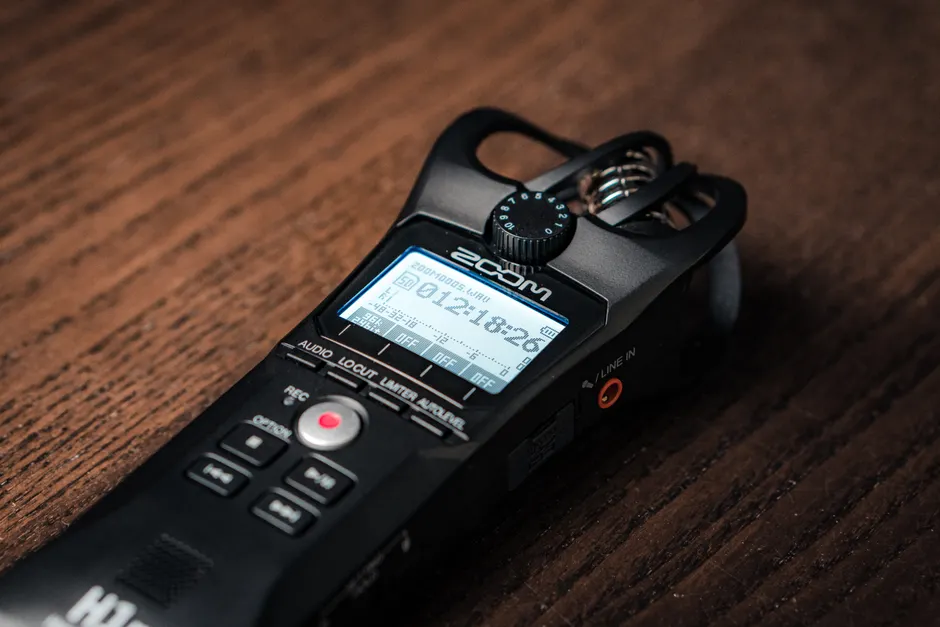
Pocket has raised $11 million in a funding round aimed at capitalising on accelerating demand for dedicated AI note-taking devices, according to a report published June 29, 2026, by TechCrunch.
The raise positions Pocket squarely in a category that has drawn increasing hardware and software investment over the past two years. The premise is specific: rather than layering AI transcription and summarisation onto smartphones or laptops, Pocket is building purpose-built devices — hardware and accompanying software — designed from the ground up around AI-assisted capture and retrieval of spoken and written information.
The appetite for that thesis is not without precedent in this funding cycle. In January 2024, Ask-AI closed an $11 million Series A alongside the launch of its Generative AI Sidekick, a product aimed at pulling siloed enterprise data into unified AI-assisted workflows — a different surface area, but the same underlying bet that workers need AI to manage information overload rather than simply search for it. HPCwire/BigDataWire covered that round at the time. Pocket's raise lands in a noticeably different environment: model capability has moved substantially since early 2024, on-device inference has become meaningfully cheaper, and the consumer and enterprise appetite for AI-native tools has broadened.
The dedicated-device angle is the key strategic question here. Smartphones already carry capable microphones, always-on processors, and mature transcription stacks from the likes of Google, Apple, and Microsoft — all of which have pushed hard into AI meeting summaries and voice memos. Building a discrete device means Pocket must earn the extra slot in a user's bag or on their desk. That is a real distribution problem. But purpose-built hardware carries genuine advantages: optimised form factor, purpose-tuned audio capture, a UX freed from the competing demands of a general-purpose OS, and — not trivially — battery and thermal envelopes managed entirely around the note-taking workload rather than shared with dozens of other processes.
The analogy worth reaching for is the early e-reader market. Smartphones could display e-books; the Kindle sold anyway. The differentiator was not raw capability but intentionality of design and the friction removed by a device that did one thing without asking you to choose between that and everything else. Whether the note-taking category is large enough to support a dedicated device ecosystem at scale is a separate question — one that $11 million at seed or early-stage leaves largely open.
Worth flagging: the AI note-taking space has attracted a cluster of software-first players — Otter.ai, Fireflies, Notion AI, and others — whose marginal cost of adding users is effectively zero once the model infrastructure is in place. A hardware entrant faces a structurally different cost curve: manufacturing, supply chain, returns, and support eat into unit economics in ways that SaaS models do not. Pocket's differentiation case needs to be strong enough to sustain those costs and justify a purchase price premium over the software alternatives already embedded in enterprise workflows.
The $11 million figure itself is instructive. It is enough to bring a focused hardware product through late-stage development and into limited production, but it is not the kind of capital that funds a broad consumer launch at scale. The most plausible near-term path is enterprise or prosumer — specific verticals where accurate, private, low-friction capture genuinely matters: legal, medical, consulting, journalism. Those buyers can absorb a hardware price point and have clear productivity ROI to justify procurement.
The broader hardware-AI convergence is drawing capital across sectors simultaneously. Also this month, Irish space-tech company Ubotica Technologies raised $11 million for its AI-powered edge inference platform, which it is now scaling toward maritime security applications — a very different domain, but another signal that investors are funding AI at the hardware and embedded-systems layer, not just in cloud software. Silicon Republic covered that raise on June 24, 2026.
For Pocket, the path forward runs through proving that the intentional, purpose-built device experience converts enough users to sustain the hardware economics. The funding buys time to make that case. Whether the market is ready to carry a dedicated AI capture device the way it eventually carried the wireless earbud or the smart speaker is what the next product cycle will test.


