US-Iran Tanker War Escalates as Both Sides Trade Strikes Near Strait of Hormuz

The United States and Iran escalated tit-for-tat attacks in the 24 hours before September 6, 2026, with Washington targeting three Iranian oil tankers and Tehran hitting commercial vessels and firing a ballistic missile toward US warships near the Strait of Hormuz Al Jazeera.
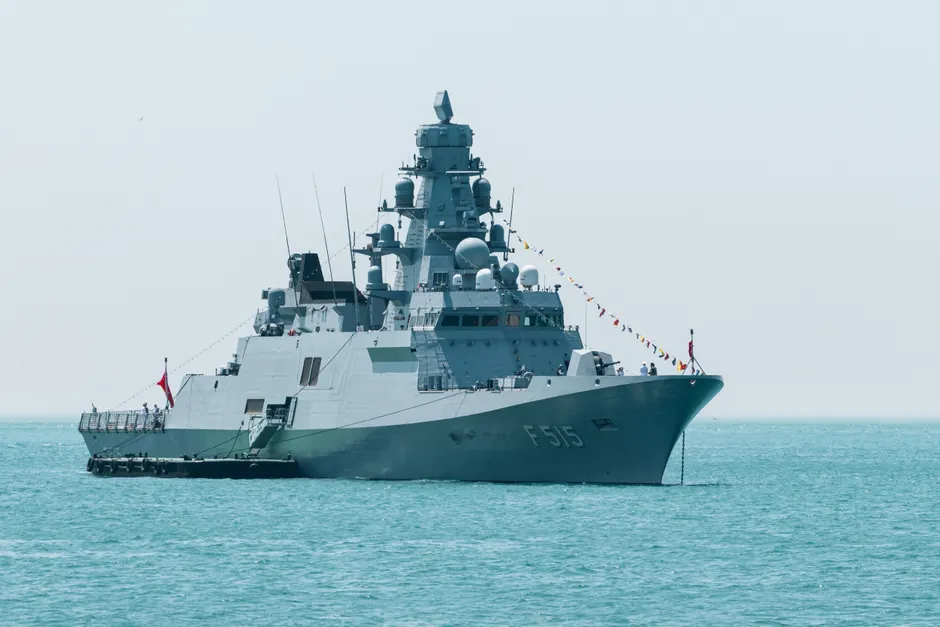
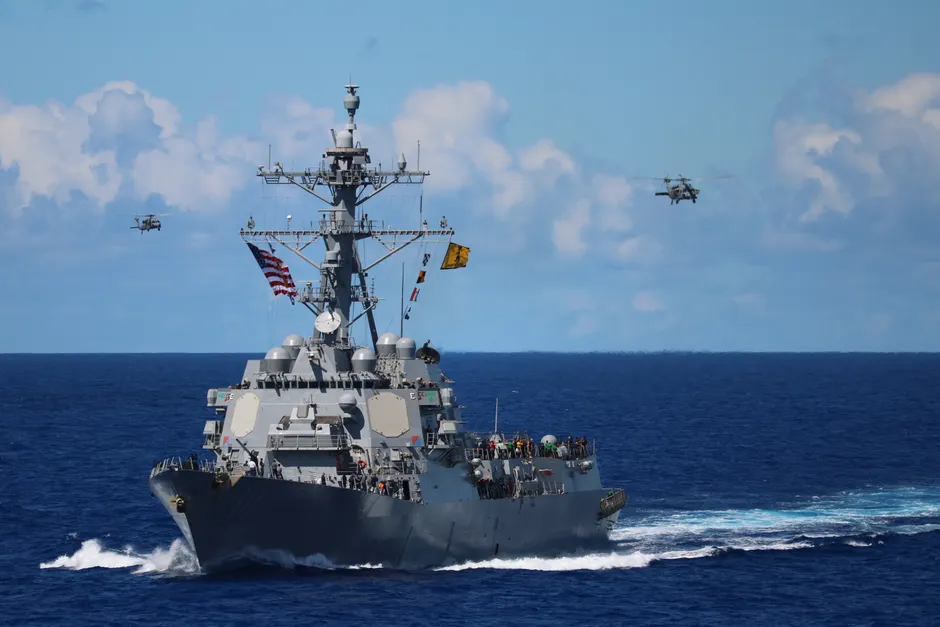
US Central Command said its forces struck three Iranian vessels, including a tanker off Kharg Island, the hub through which Iran exported 90 percent of its crude before the war. CENTOM said a second Iranian tanker was struck near Jask and an unladen vessel was hit in the Gulf of Oman after its crew was told to abandon ship. The US military said on September 5 that the strikes followed Iranian ballistic missile launches against a US aircraft carrier and navy destroyer, which CENTCOM said successfully evaded the strikes with no US personnel injured The Guardian.
CENTCOM commander Admiral Brad Cooper framed the response in explicitly economic terms. "If you shoot at two of our ships, we will impose an even higher economic cost — taking out three of yours," he said. Washington claimed the Iranian tankers it struck were part of a multibillion-dollar shadow network financing the IRGC and its regional allies.
Iran's Islamic Revolutionary Guard Corps said it launched "several ballistic missiles" at a US aircraft carrier and destroyer, accusing them of harassing Iranian ships and taking part in a naval blockade. Iran also said its forces targeted three oil tankers travelling through an "unauthorised route" in the Strait of Hormuz and three US-linked vessels elsewhere. On September 6, Iran claimed it struck an unmanned US vessel trying to enter the strait, according to The Associated Press.
In a statement carried by Iranian broadcaster IRIB, the IRGC navy warned vessels in the Gulf or near the Strait of Hormuz not to be "deceived" by the US military and to refrain from transiting unauthorised waterways or face being targeted.
Defence analyst Wolfgang Pusztai noted that the Iranians targeted both a missile destroyer and an aircraft carrier, calling it a very significant development and saying the American retaliation was unsurprising.
The broader context here is a months-long conflict that has progressively eroded the rules of engagement for commercial and military traffic in the Gulf. Iran effectively shut the Strait of Hormuz, through which 20 percent of the world's oil supplies flowed, in retaliation for US-Israeli attacks that began on February 28. Some 20 million barrels of oil flowed daily through the strait before the war began. Iran has relied partly on a shadow fleet to circumvent sanctions and sell oil, a revenue source that became more important after the US began blockading Iranian ports in April. CNN reported on September 5 that Iran seeks to prevent shipping from transiting the strait without its consent while the US steps up targeting of Iranian shipping.
The temporal pattern of strikes reveals a sustained operational rhythm rather than isolated flare-ups. On July 21, a tanker was attacked in the Strait of Hormuz as the US struck Iran for the tenth consecutive night. Oil tanker traffic through the strait was at a near standstill on July 9, according to shipping data. On September 1, two supertankers carrying Saudi oil were struck by unknown projectiles within minutes of each other while transiting outbound through the strait. On September 2, the US military said it completed its latest wave of strikes on Iran following that weekend exchange of fire, the first since late July. US officials told Anadolu Agency that the US military struck two Iranian government tankers as part of a broader wave of attacks targeting Iran.
Earlier CENTCOM public releases documented a consistent pattern of Iranian harassment and US response. Iran's IRGC Navy seized the Panama-flagged oil tanker Niovi while it was transiting the Strait of Hormuz, marking the second merchant vessel seized by Iran within a week. CENTCOM reported that Iran attacked three commercial vessels transiting the strait, including the Marshall Islands-flagged M/T Al Rekayyat and a Saudi Arabia-flagged vessel. A US Navy lab in Bahrain confirmed Iran's connection to a November 15 aerial drone attack on a Liberian-flagged commercial tanker.
Looking at what this means for Gulf maritime security, the exchange crystallises two interlocking coercive campaigns. Washington is systematically degrading Iran's oil export infrastructure, striking vessels tied to the shadow fleet that Tehran increasingly depends on for revenue. Tehran, in turn, is weaponising its geographic position at the chokepoint, attempting to impose a consent regime on commercial traffic while directly targeting the premier symbols of US naval power. The targeting of an aircraft carrier by ballistic missile raises the escalation threshold considerably. Whether either side finds an off-ramp, or whether the tit-for-tat logic pulls in additional regional actors and insurers, will shape energy markets and naval doctrine for months to come.