US Strikes Iran Near Strait of Hormuz as Ceasefire Unravels Over Oil Sanctions, Shipping Control
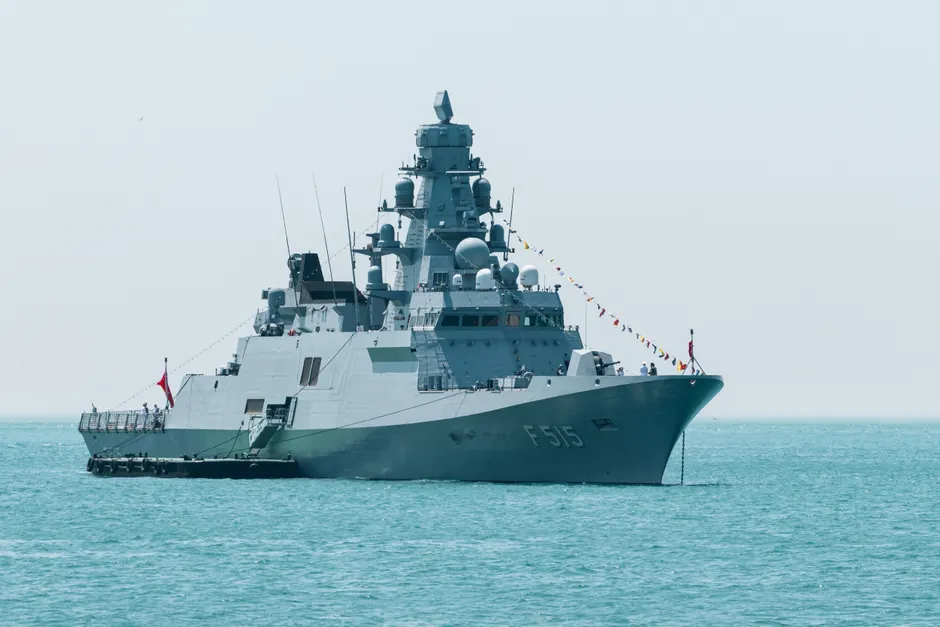
US strikes hit Strait of Hormuz sites as Iran declares ceasefire dead
US forces struck Iranian weapon launch sites, air defences and coastal surveillance systems in the early hours of Wednesday, July 8, 2026, in response to Iranian attacks a day earlier on three commercial vessels transiting the Strait of Hormuz. The Guardian reported the operation was expected to "last for hours," according to US officials. Iranian state media reported explosions on the island of Qeshm and in the cities of Sirik and Bandar Abbas. Tehran called the strikes a violation of the ceasefire that has governed the conflict since April.
US Central Command described Iran's Tuesday attacks as "unwarranted, dangerous, and a clear violation of the ceasefire," referencing the tankers hit within hours of each other in the strait — one of them a Qatari LNG vessel The Guardian. The UK Maritime Trade Operations centre identified the Qatari ship as the Al Rekayyat, struck while heading south toward the Gulf of Oman. A Saudi crude carrier, the Wedyan, was also damaged; Riyadh condemned the strike CBS News. Al Jazeera reported the LNG tanker was at risk of exploding after being hit by a projectile Al Jazeera.
Qatar's foreign ministry spokesperson, Majed al-Ansari, called the attack on the Al Rekayyat a "serious and explicit violation" of international law and said Qatar would hold Iran fully responsible — notable given Doha's role as mediator between Washington and Tehran throughout the ceasefire process.
A ceasefire built on contested terms
The current truce dates to April 2026, followed in June by a memorandum of understanding launching 60 days of negotiations over Iran's nuclear program and a permanent end to hostilities. That MOU followed an earlier 14-point ceasefire framework and a two-week truce extension agreed May 28, pending then-President Trump's approval Reuters. The arrangement has proven brittle from the start. CENTCOM records show strikes on June 9 in response to an attack on the USS Apache, strikes again on June 26 after a cargo ship was hit, and additional strikes on June 27 after another tanker was struck — with a halt to attacks and renewed talks agreed that same day, per a US official Reuters.
Technical talks in Doha concluded around July 1 aimed at restarting shipping through a corridor handling roughly one-fifth of global oil shipments Reuters. CENTCOM also convened a regional security dialogue with 12 nations in Bahrain on July 1. Within a week, the framework those talks produced was in tatters.
The immediate trigger for Wednesday's strikes was the US Treasury's Tuesday revocation of a temporary sanctions waiver on Iranian oil exports, issued after the tanker attacks. Washington had lifted those sanctions following the June MOU; Iran's foreign ministry called their reimposition a breach of the memorandum and warned of "decisive measures." Washington gave Tehran until July 17 to wind down any oil transactions already underway Reuters. Critics of the original waiver, including within the Trump administration's own political coalition, had argued it surrendered economic leverage before nuclear talks even began — a criticism that now looks prescient to some, premature to others, depending on which side of the sanctions debate one sits on.
Beneath the sanctions dispute lies a more basic disagreement over who controls the strait itself. Iran's Revolutionary Guard Corps has claimed since late June that the ceasefire gives Tehran authority over ship traffic through the waterway, and the IRGC has both issued passage warnings and boarded merchant vessels Wikipedia. Oman, meanwhile, has proposed a new shipping corridor closer to its own coastline — an idea Iran opposes, reportedly because Tehran wants the ability to charge vessels for use of the waterway. Iran contends the MOU's language reserves management of the strait's reopening to Iran in consultation with Oman, and that US efforts to open alternative routes constitute a breach in themselves.
Experts cited by the Guardian point to the MOU's vague drafting as the structural problem: both governments have been interpreting the same text to license opposite behavior, and each fresh incident becomes an occasion for mutual accusations of violation rather than a shared basis for de-escalation. That ambiguity, rather than any single strike, may be the more durable threat to the truce.
The timing carries its own weight. Wednesday's strikes fell during the days-long funeral for Iran's late Supreme Leader Ayatollah Ali Khamenei, a period in which Tehran's decision-making apparatus is occupied with succession as much as strategy. Iranian Foreign Minister Abbas Araghchi has personally condemned both the US and Israel over strikes he says violate the ceasefire, and Iran has signaled it will not return to talks unless Washington halts military action, according to Reuters reporting from July 7.
Whether the current exchange settles into another temporary halt, as happened after the June 27 strikes, or marks a further slide toward sustained conflict likely depends on decisions made in Washington, Tehran, and Muscat over the coming days — and on whether either side is willing to accept a narrower, less ambiguous definition of what the ceasefire actually permits.


