Qualcomm CEO Reveals 40+ AI Wearable Designs in the Pipeline
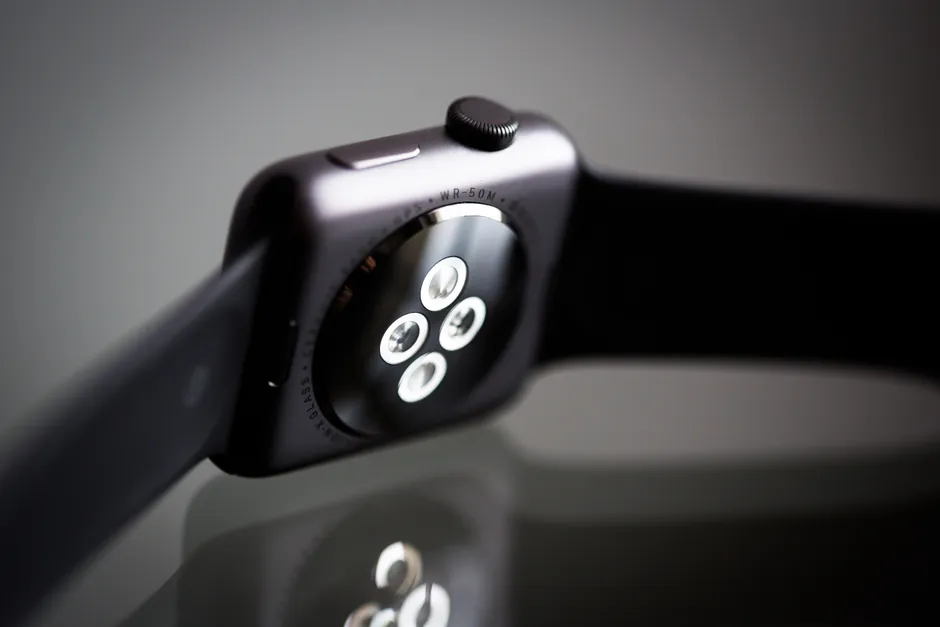
Qualcomm CEO Cristiano Amon disclosed on June 16, 2026, that the company is actively working with partners on more than 40 designs for AI-powered wearable devices, spanning a range of form factors that includes jewelry, camera-equipped earbuds, pins, and smartwatches, according to CNBC.
The breadth of those form factors is worth pausing on. Earbuds with integrated cameras and wearable pins place Qualcomm squarely in territory that several startups — and at least one high-profile failure — have already probed. The difference Qualcomm is bringing is silicon maturity. The company's edge AI capabilities, first detailed in March 2025 when Qualcomm outlined on-device AI-enhanced traffic classification and 40 TOPS of edge inference performance at Mobile World Congress, are now the substrate underneath this wearable push, per Qualcomm's own release.
Forty TOPS in a wearable-class envelope is a meaningful threshold. It is enough headroom to run lightweight multimodal models — vision, audio, and language — without round-tripping to the cloud on every inference cycle. That matters acutely for always-on wearables, where latency, battery draw, and privacy concerns all argue against continuous uplink dependency. On-device processing also sidesteps a category of regulatory exposure that cloud-routed biometric or environmental data increasingly attracts in both the EU and several US states.
The 40-design figure itself is telling. Qualcomm has historically been most effective not as an end-product company but as a platform underneath a wide hardware ecosystem — a model refined across decades of modem and application-processor licensing. Forty concurrent designs suggest the company is pursuing the same playbook it ran with Snapdragon in the Android handset market: seed a large, varied partner base and let the ecosystem surface winning form factors organically, rather than betting on a single reference design.
That said, the wearables category has a long history of anticipated inflection points that arrived more slowly than expected — or not at all in the originally anticipated form. Smartwatches took the better part of a decade to find a stable use case, ultimately anchoring on health sensing rather than the smartphone-companion positioning that launched the category. Camera-equipped face-worn devices have not yet found mass-market acceptance despite multiple attempts across different price points and brand identities.
What is different this cycle is the agent layer. AI agents capable of context-aware task execution — scheduling, environmental interpretation, ambient query handling — give always-on wearables a more concrete value proposition than prior generations had at launch. The hardware is asking a more answerable question than "what does a wrist computer do?" It is asking, more specifically, whether users will accept a persistent, low-footprint AI presence on their person. That is still a significant behavioral and social adoption hurdle, but it is a narrower and more tractable one.
Qualcomm's position here is structural rather than speculative. The company already owns the connectivity and inference silicon that any serious wearable OEM will need, and its early-2025 MWC disclosures suggest the relevant IP has been in development well ahead of this public pipeline announcement. The 40-plus designs are almost certainly at varying stages of readiness — some close to production, others concept-stage — but the sheer count indicates that the ecosystem has moved past exploratory conversations and into committed engineering work.
Whether any individual device in that pipeline becomes a breakout product is genuinely uncertain. But the platform underneath them is already shipping in adjacent categories, which removes one of the traditional risks: that the silicon won't be ready when the market is. In this case, the silicon appears to be waiting on the market.