Dollar Softens for Second Straight Session as WSJ Index Slips to 96.15

The WSJ Dollar Index fell 0.08% to 96.15 on June 16, 2026, posting its second consecutive decline and its largest two-day point and percentage drop since June 12, according to The Wall Street Journal. The index, which measures the dollar against a basket of 16 foreign currencies using data sourced from Tullett Prebon and Dow Jones Market Data, has now retreated to its lowest closing level since June 4.
The two-day skid is modest in absolute terms — the index remains well above its post-pandemic floor — but the directional shift is worth tracking. At 96.15, the index sits roughly nine points below its all-time closing high of 105.14, struck on September 27, 2022, a level that coincided with peak Fed tightening anxiety and broad emerging-market stress.
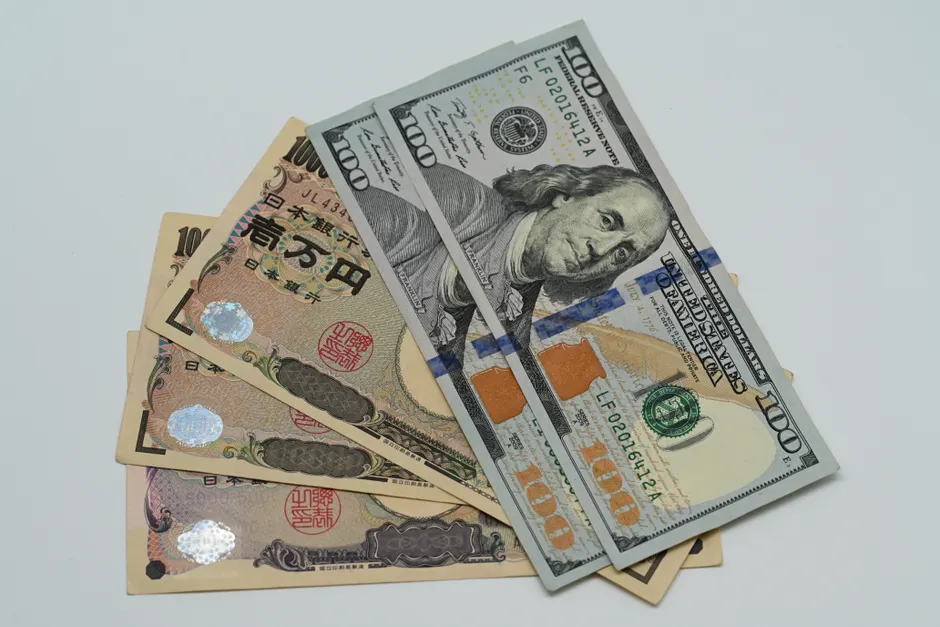
Against the yen, the dollar edged 0.2% higher to 159.21 during the same reporting period, a divergence that cuts against the broader index move. The yen has been sensitive to Bank of Japan communication all year: earlier in 2026, the dollar had weakened 1.66% against the yen to 155.77 in a single session following a shift in BoJ tone, and in January 2025 a similar dynamic pushed the pair to 156.49 on the back of hawkish BoJ remarks. The current 159.21 handle reflects a yen that has clawed back some of those losses relative to late-2024 levels but remains historically weak.
The broader dollar narrative heading into mid-June has been one of gradual give-back. The index had already notched its lowest close since June 4 as of June 12 — meaning the two-day decline through June 16 extended a softening trend that had been building across the prior week. That kind of sequential compression, rather than a sharp single-session break, tends to reflect positioning adjustments and profit-taking rather than a macro catalyst re-rating.
Context from earlier in 2026 sharpens the picture. In April, Reuters reported the dollar index had declined for eight consecutive trading sessions, a run that took it near six-week lows as investors priced in a potential Iran peace deal and recalibrated rate expectations. The current two-day decline is far shallower, but it lands in a market still digesting the cumulative effect of that April unwind and the subsequent partial recovery.
The yen cross deserves particular attention for practitioners running cross-currency books. The 159-handle on USD/JPY implies a carry dynamic that remains favorable for dollar longs, but the BoJ's intermittent signaling has repeatedly proven capable of compressing that spread faster than models anticipate. The 155–159 range that has defined much of 2025–2026 is not a stable equilibrium; it is a stretched one, held in place by differential policy rates rather than fundamental valuation.
For the dollar index itself, 96.15 is not a technically alarming level. The distance from the 2022 record close gives plenty of room before anyone needs to invoke structural dollar-decline narratives. What the current two-day sequence does is narrow the index's cushion above the June 4 close that had served as near-term support — and with Asian currency dynamics still fragmented, as recent WSJ data has shown, the path of least resistance depends heavily on the next Fed communication and any further BoJ guidance. Neither is scheduled to produce a surprise on June 17, which likely keeps the index in a consolidation band barring an exogenous shock.