Train Collision Near Bedford Kills at Least One, Blocks Thameslink Network

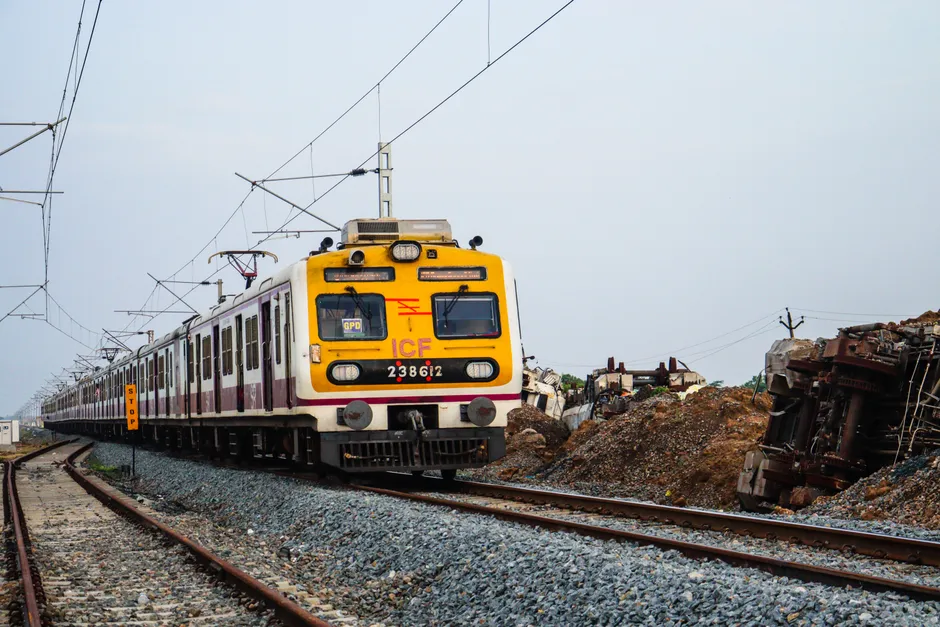
Two trains collided near Bedford on 19 June 2026, killing at least one person and injuring several others, according to The Guardian. Rail operator Thameslink confirmed all lines through the corridor were blocked in the immediate aftermath.
Bedford sits on a key node of the Thameslink route — the cross-London franchise that stitches together destinations from Bedford in the north through St Pancras, Farringdon, and Blackfriars to Brighton and Gatwick in the south. A full line blockage at that point effectively severs the northern arm of the network, stranding passengers across Bedfordshire, Hertfordshire, and north London without through-running services.
The cause of the collision has not yet been established. British rail investigations of this type fall under the Rail Accident Investigation Branch (RAIB), the statutory body empowered to conduct independent inquiries separate from British Transport Police, which will run a parallel criminal investigation where a fatality is involved. The two processes are legally distinct: RAIB's mandate is systemic safety improvement; the police inquiry addresses potential criminal liability.
The broader operational picture matters for context. Thameslink is one of the highest-frequency franchises in the UK network, with trains running at sub-five-minute headways through the central core at peak times. That density is an efficiency gain but also a risk-concentration factor — tight headways leave limited margin for signalling failures, driver error, or infrastructure faults to be absorbed before trains close on one another. Whether any of those factors are implicated here is entirely unknown at this stage.
UK rail safety has improved substantially since the Ladbroke Grove and Potters Bar collisions of the early 2000s prompted sweeping reforms, including accelerated rollout of the Train Protection and Warning System (TPWS) and, subsequently, the European Train Control System (ETCS) on high-risk corridors. ETCS, which enforces speed and movement authority electronically, was specifically designed to prevent the class of collision that occurs when a train passes a signal at danger — a SPAD. Whether ETCS or TPWS were active on the affected stretch will be among the first questions RAIB investigators address.
Passenger disruption is likely to extend well beyond the immediate blockage period. Even after lines reopen, residual delays cascade across a network this integrated; rolling stock and crews displaced from their planned diagrams take hours to recover. Operators typically invoke bus replacement services, but for a long-distance corridor like Bedford–London, road alternatives offer little practical relief at scale.
The death toll and injury count reported as of publication should be treated as provisional. Major incident protocols routinely see early figures revised as emergency services complete triage and account for all those involved. Network Rail and Thameslink are expected to issue further operational updates as the line is examined for infrastructure damage. The RAIB will publish a preliminary report in due course, with a full investigation report typically following within twelve to eighteen months.