Mona Khalil, Founder of Lebanon's Orange House Sea Turtle Project, Dies After Israeli Airstrike
Mona Khalil, the Lebanese marine ecologist who built one of the Eastern Mediterranean's few dedicated sea turtle conservation programs from a modest beachside home in south Lebanon, died on June 20, 2026, approximately two weeks after an Israeli airstrike struck her residence near Tyre, according to Al Jazeera.
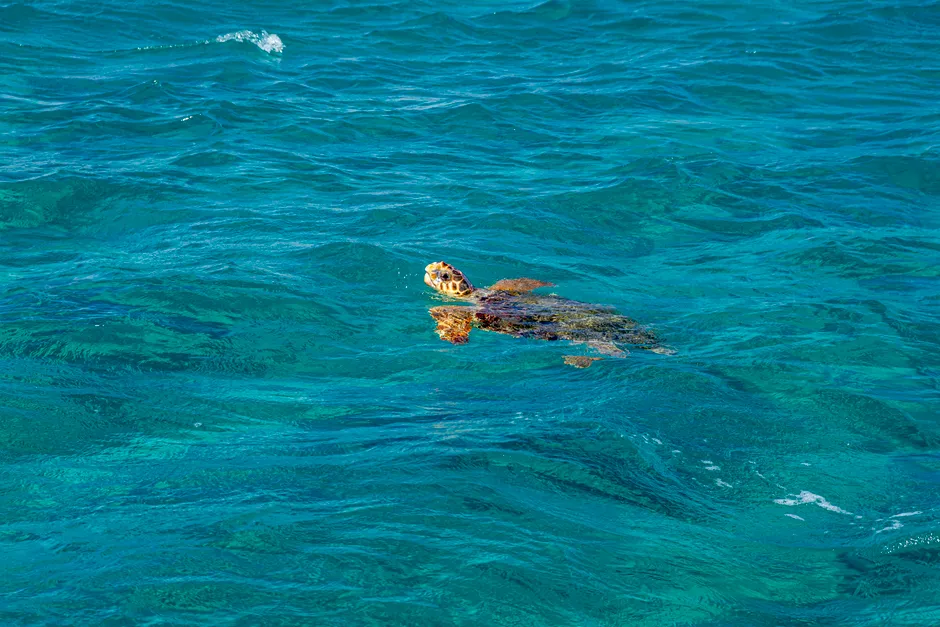
The strike hit the Orange House directly — the property near Tyre that Khalil had made both her home and the operational base of the Orange House Project, the conservation initiative she founded around 2000 to protect nesting loggerhead sea turtles (Caretta caretta) on the beaches of Mansouri and Qoleileh in southern Lebanon.
Khalil's path into conservation was accidental. A chance encounter with a sea turtle in 1999 redirected her professional focus entirely, and within a year she had established the Orange House Project on el Mansouri beach, according to the Society for the Protection of Nature in Lebanon. What began as a personal response to a single animal became a decades-long effort to safeguard one of the region's most ecologically precarious nesting corridors. Loggerheads are listed as vulnerable on the IUCN Red List, and their Mediterranean nesting habitat has contracted sharply over the past half-century under pressure from coastal development, fishing bycatch, and light pollution. Lebanon's southern coastline holds some of the last viable nesting sites in the Levantine basin.
The Orange House Project worked those beaches at Mansouri and Qoleileh, monitoring nests, relocating clutches at risk from human disturbance, and maintaining a presence that deterred the kind of recreational and construction encroachment that has eliminated nesting populations elsewhere. Reuters reported in 2017 that conservationists working with Khalil were engaged in an active struggle against both seasonal beachgoers and the broader pressures of a coastline with weak enforcement infrastructure. Khalil herself was described by CNN in the same period as a conservation specialist whose work placed her in direct daily contact with nesting activity across those sites.
South Lebanon has experienced recurring cycles of conflict that have periodically interrupted — and in some cases destroyed — conservation infrastructure across the region. The fate of the Orange House and the continuity of the project's monitoring data remain unclear following the strike.
The broader loss here extends beyond one individual. Field-based marine conservation in conflict-affected states depends on persistent local presence: researchers who know the specific microhabitats, who have built trust with coastal communities, and who maintain longitudinal datasets that no satellite program can replicate. Khalil represented exactly that kind of institutional memory. The loggerhead nesting season on Lebanese beaches runs through the summer months; the timing of her death means the 2026 season is effectively unmonitored at sites where the Orange House Project had been the only consistent scientific presence.
There has been no immediate Israeli military comment on the strike attributed to her death. The broader pattern of Israeli military operations in south Lebanon — a zone that has been subject to sustained airstrikes targeting Hezbollah infrastructure — means that strikes on civilian structures in the area have not been uncommon, though their individual circumstances vary. Khalil's residence was in proximity to Tyre, a city that has been within the operational envelope of Israeli air activity in recent years.
For the international conservation community, Khalil's death will likely prompt renewed attention to the vulnerability of environmental programs operating inside active conflict zones — and the question of what legal frameworks, if any, meaningfully protect conservation assets and their custodians under the laws of armed conflict. The 1954 Hague Convention and its protocols establish categories of cultural and scientific protection, but enforcement mechanisms remain largely aspirational when military operations are ongoing.
What survives of the Orange House Project's institutional knowledge, its nest location records, its community networks, and its physical monitoring infrastructure will determine whether recovery is possible. That is not a small question for a nesting population that has no redundancy on this stretch of coast.


