Trump-Xi Washington Summit to Test November-Expiring Trade Truce

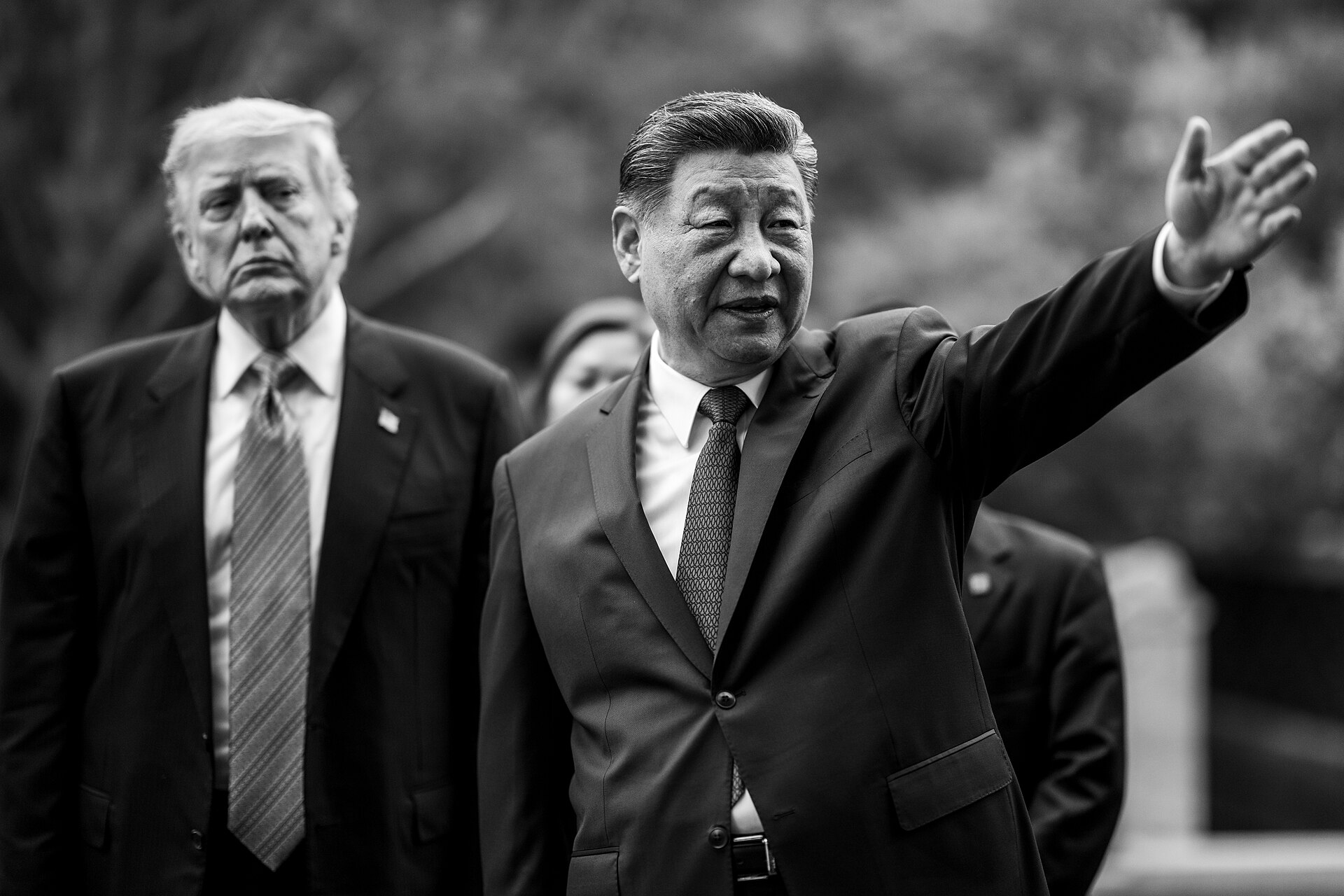
Chinese President Xi Jinping will pay a State Visit to the United States for a summit with President Donald Trump in Washington on September 24, 2026.
China's Ministry of Foreign Affairs announced the visit on September 21. Foreign Ministry Spokesperson Guo Jiakun said that during his visit, President Xi will "have an in-depth exchange of views with President Trump on major issues concerning bilateral ties and the world."
U.S.-China high-level talks opened in the days before the summit to prepare the agenda in Washington, according to Al Jazeera. The meeting is billed as a State Visit, a formal designation that places protocol and bilateral stock-taking at the center.
Trade truce, not breakthroughs, topped the agenda, according to Reuters. The current pause expires in November, and China has pushed for a longer extension, according to The New York Times. Trump and Xi met amid that uneasy truce.
The pause dates to October, when Trump and Xi agreed to a one-year trade truce after tit-for-tat escalations drove up tariffs. Trump suspended triple-digit tariffs as part of that understanding. By March, U.S. and Chinese officials expected the leaders to extend the yearlong truce agreed upon at the October meeting. A summit then less than three weeks away was under discussion as of March 11.
The September summit follows Trump's visit to Beijing in May 2026. That trip produced no major breakthroughs on trade. Trump also received no tangible help from Beijing to end the Iran war during the May visit. A White House fact sheet issued May 17 said Trump had reached consensus with Xi, and that the United States and China will support each other as the respective hosts of the G20 and APEC.
The broader context here is management rather than settlement. For practitioners, the variables are duration, coverage and enforcement of any extended pause, and whether leader-level consensus can hold through working-level talks on tariffs, market access and third-country issues such as Iran. With the November expiry approaching, extension avoids renewed escalation. It does not resolve the underlying tariff structure or the competing industrial and security objectives on both sides.