Trump to Host Xi for September 23-25 State Visit and White House Talks
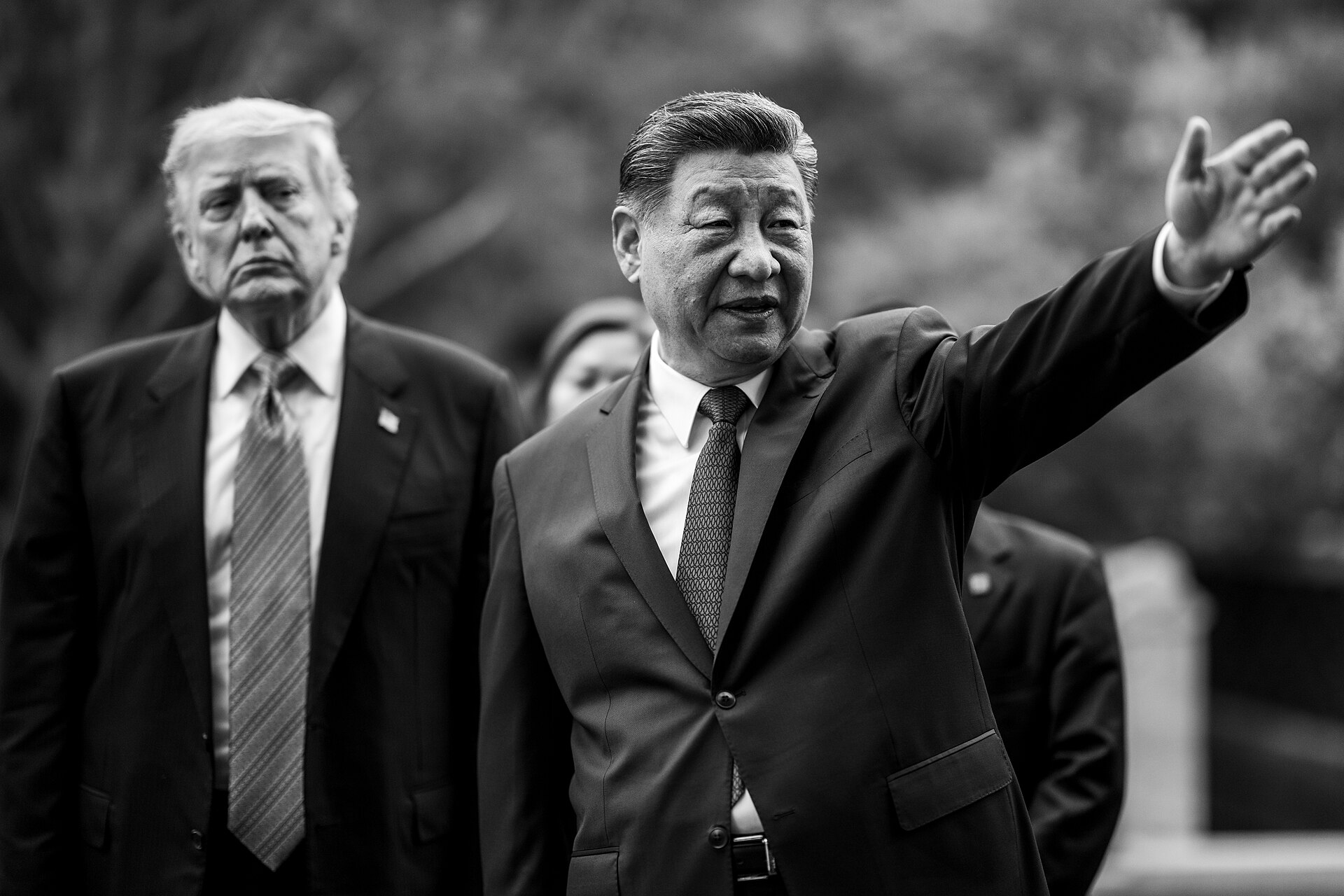
Chinese President Xi Jinping will pay a state visit to the United States from September 23 to 25, 2026, at the invitation of U.S. President Donald Trump. Trump will host the Chinese leader in Washington this week, according to the most recent accounts of the schedule. Reuters BBC
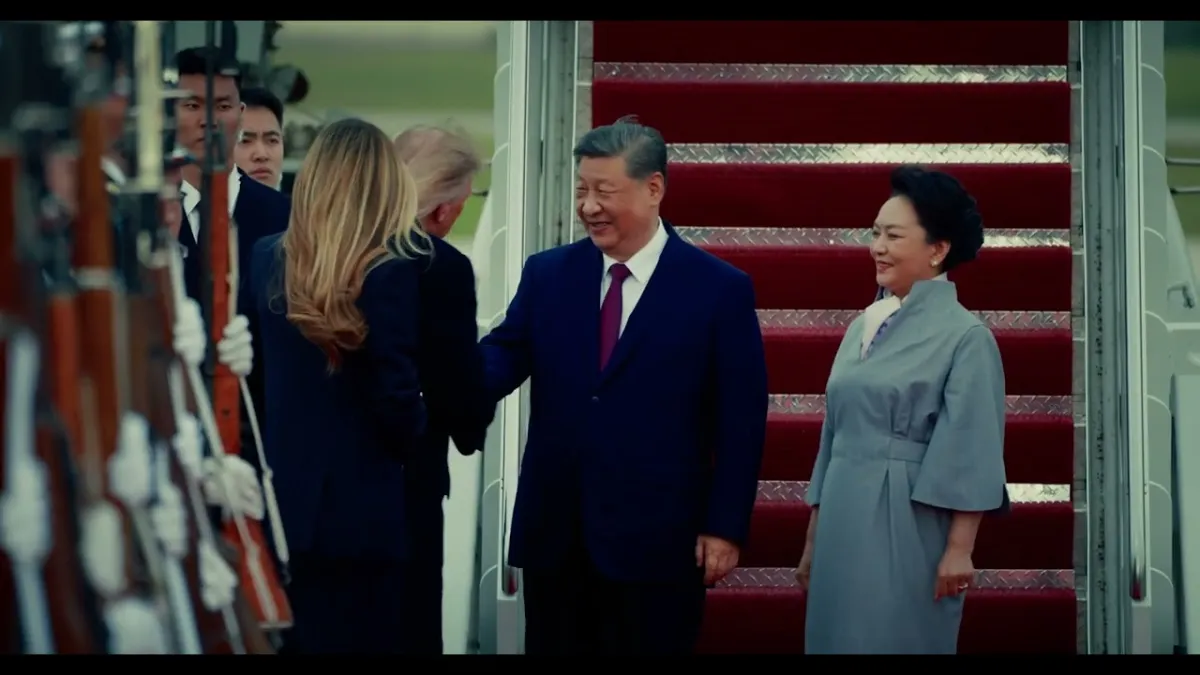
Xi is scheduled to arrive on Wednesday. Trump plans to greet him at Joint Base Andrews on arrival, a reception detail confirmed by Washington-area officials. Reuters Reuters
Trump and First Lady Melania Trump will welcome Xi to the White House on Thursday, September 24. Madame Peng Liyuan will join Xi for the White House visit, making the occasion a leaders-and-spouses engagement as well as a bilateral meeting. White House
The Washington summit is expected on September 24 and will be the second Trump-Xi meeting this year. The White House had stated in May that Trump would welcome Xi for a visit to Washington this fall, framing this week as the delivery of that earlier commitment. CSIS Reuters White House
An agreed U.S.-China mutual tariff reduction covers $30 billion in goods. That understanding forms part of the economic backdrop for the talks. Reuters
The broader context here is procedure as diplomacy. A date-specific state visit, an Andrews greeting, and paired spouses all belong to the formal vocabulary Washington and Beijing use to calibrate tone before substance is tested. The schedule is compressed. Three days leave limited space for extended staff work, which places weight on the leaders-level exchange on September 24 and on what agencies are tasked to carry forward afterward.
In my view, the sequencing deserves close reading by practitioners. Arrival honors at a military air facility, followed by a White House welcome the next day, create two distinct images: peer reception on entry, then institutional negotiation at the executive mansion. Inclusion of Peng Liyuan alongside Melania Trump adds a parallel channel often used for cultural and social signaling when the policy file is difficult. None of that predetermines outcomes, but it structures how each side can present concession or firmness to domestic audiences.
Looking at what this means for the bilateral track, the elements to watch are durability and implementation. A second meeting within a calendar year suggests both capitals see value in direct leader contact rather than delegation-only management. A mutual reduction covering a defined goods value gives negotiators a reference point, yet trade practitioners will focus on product scope, timelines, enforcement language, and whether further tranches follow. For now, Washington has the choreography. The substance will be measured in what is signed, published, and then actually applied.