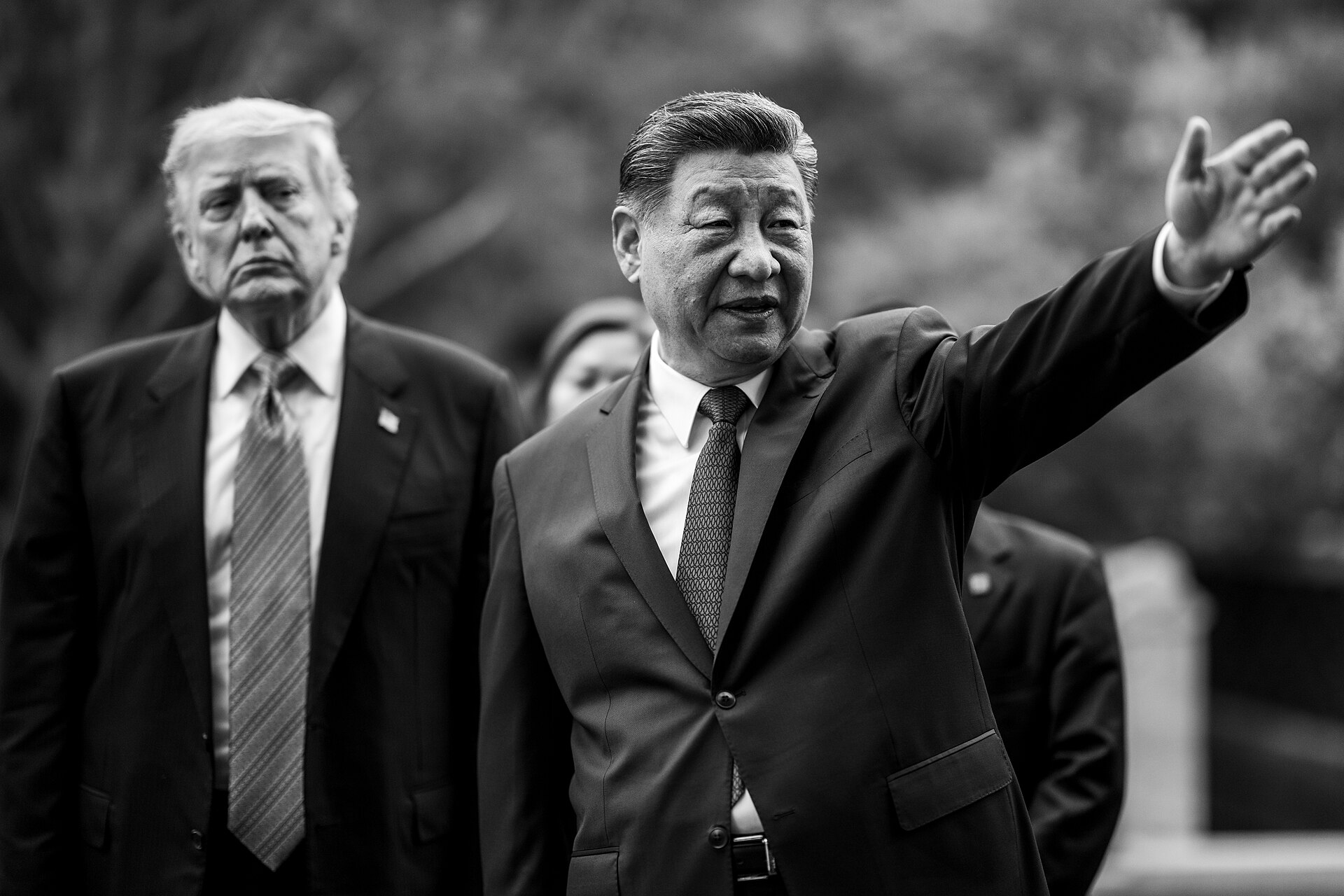
Xi to Meet Trump in Washington as Taiwan Looms Over Visit

President Xi Jinping will pay a state visit to the United States from September 23 to 25. The dates were announced by Beijing in a brief notice carried by the Chinese Foreign Ministry.
The visit is at the invitation of President Donald J. Trump, according to a subsequent Foreign Ministry notice. That formulation matters in protocol terms. It identifies the host as the inviting party. It also frames the travel as a state visit, the most formal category of bilateral visit. The notice was carried by the Chinese Foreign Ministry.
Xi was due to meet with Trump in Washington on September 24, 2026. That meeting is the operational center of the visit. The date and location were reported by Reuters. Washington will host the talks. The calendar leaves little slack.
People familiar with summit plans said Xi was likely to forcefully raise Beijing's claim to Taiwan, a topic Washington would prefer to avoid. That account was reported by Reuters on September 23. The description points to an agenda gap before the meeting begins. One side intends to press a sovereignty claim. The other prefers to keep it off the table.
Trump said Xi pressed him on U.S. arms sales to Taiwan during the May visit. That prior exchange was reported by Reuters. The detail connects the current agenda gap to an earlier leader-level discussion. It also identifies arms sales as the specific pressure point already raised once.
The broader context here is how state visits structure disagreement. The invitation and the formal designation create expectations of courtesy and deliverables. They do not resolve substantive divergence. They create a contained setting for testing whether divergence can be managed in person. For practitioners, the question is less whether differences are aired than how they are sequenced around the formal program.
In my view, the Taiwan signaling deserves close attention precisely because both positions were conveyed in advance. A forceful raising of a claim is an agenda-setting act. A preference to avoid the topic is also an agenda-setting act. When both become known before the meeting, the meeting itself becomes a negotiation over what can be discussed, not only over what can be agreed. That procedural contest often determines the tone of the public outcome.
Looking at what this means for the Washington session, the May reference point will shape interpretation. If arms sales return to the table, observers will compare the September exchange with what Trump said was pressed in May. The comparison will focus on wording, venue, and whether the issue appears in any joint materials. Even without new commitments, placement matters. A claim raised forcefully in a state-visit setting carries a different weight than the same language in a routine exchange. Avoidance, too, is a choice with consequences for follow-up channels.