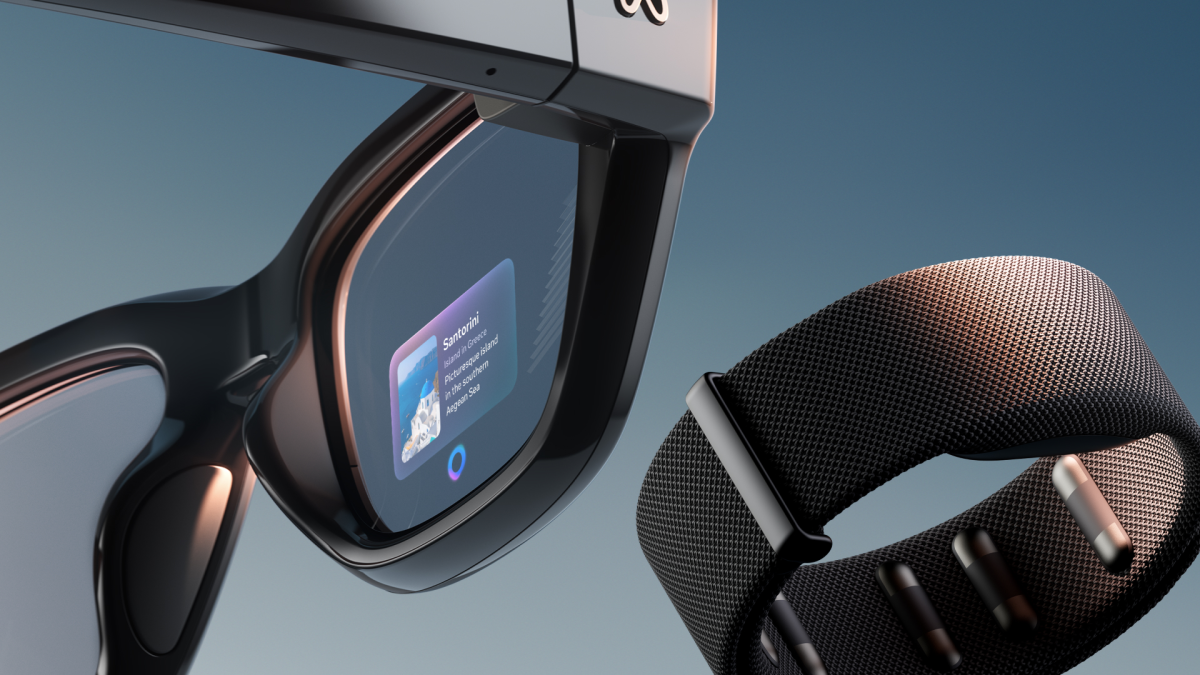
Meta Adds FDA-Cleared Hearing Enhancement to AI Glasses

Meta announced FDA-cleared Hearing Enhancement software for its AI glasses during Meta Connect, with rollout to supported Meta Glasses planned for later this year. Engadget
The feature is intended for people with mild to moderate hearing loss who would otherwise use a hearing aid. It does not require a prescription. Setup is designed to be completed at home by the user, and the mode is triggered by voice with the command "Hey Meta, start Hearing Enhancement".
Pricing is straightforward. Access includes a 30-day free trial. After that, users can pay a one-time $149 fee or obtain it as part of a Meta One subscription. The software is eligible for HSA/FSA reimbursement. Ray-Ban models will not be supported at launch.
The distinction matters. Meta already provides Conversation Focus, an AI audio feature for normal-hearing users that boosts the voice of a conversation partner in loud settings. Wired Hearing Enhancement sits in a different category. It is cleared by the FDA for hearing-loss support, with at-home fitting and no clinician visit required.
Glasses complicate the accessibility stack in a way earbuds do not. Meta offers prescription lenses for its AI frames in single vision, progressives and Transitions options, starting from $224 and also eligible for FSA/HSA spending. Meta That puts vision correction and hearing support on the same wearable and under the same reimbursement logic.
There is precedent for the regulatory path. EssilorLuxottica received FDA clearance in February 2025 for its over-the-counter Nuance Audio glasses. Reuters Meta has also introduced consumer-ready smart glasses with a built-in display. The company now faces friction on a separate front, with a privacy lawsuit tied to covert recording concerns and a UK pub chain restricting Ray-Ban smart glasses for that reason. Reuters
The broader context here is the slow convergence of hearables and eyewear. For years, hearing assistance meant a dedicated device, a clinic appointment and a prescription workflow. Shifting part of that to a software entitlement on glasses people already wear for other reasons lowers practical barriers. It also treats support as a selectable mode rather than a separate piece of hardware.
In my view, the commercial structure deserves as much attention as the clearance itself. A one-time purchase alongside a subscription option, plus a trial period and HSA/FSA eligibility, gives Meta two ways to normalize payment. Worth flagging is the launch exclusion. Leaving Ray-Ban models out at first segments the installed base by frame, which will matter for IT buyers, developers building voice-first workflows, and accessibility teams evaluating device fleets. That segmentation may be temporary, but it shapes who can test the feature first.
Looking at what this means for technology professionals, the questions are practical. How reliable is voice activation in the same noisy environments where hearing support is needed. How the system handles user calibration without audiologist oversight. How battery life and thermal limits affect sustained use compared with a conventional aid. None of those answers are in the announcement. The announcement indicates direction. If glasses can carry display, prescription optics, directional audio and now regulated hearing support, they begin to function as a platform for sensory assistance. That possibility should be taken seriously, even while the privacy debate around cameras on faces continues.