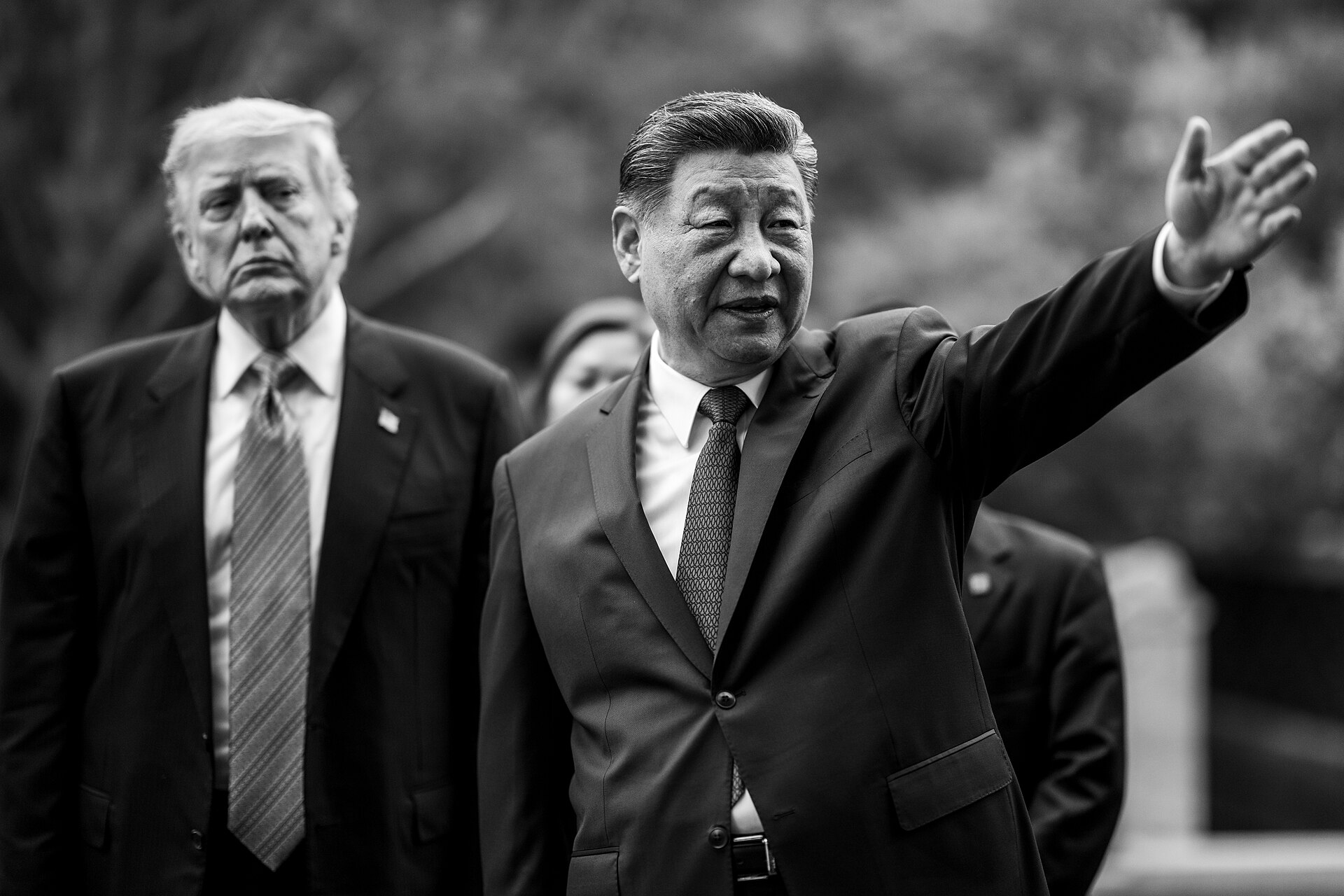
Trump Hosts Xi at White House for Talks on Trade, AI, Taiwan and Iran
U.S. President Donald Trump was set to welcome Chinese President Xi Jinping at the White House in Washington, DC on September 24, 2026, for an official state visit. Al Jazeera
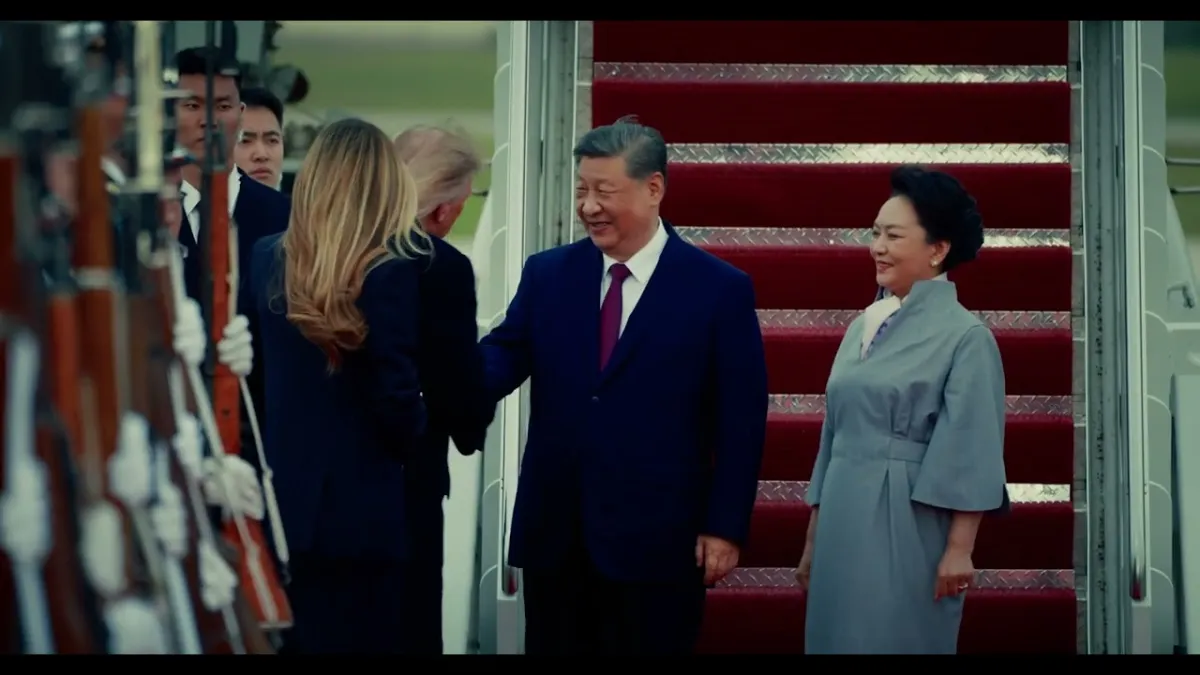
The White House said President Trump and First Lady Melania Trump would welcome Xi on Thursday, September 24, 2026. The details came in a September 21, 2026 announcement titled "First Lady Melania Trump Releases Details Ahead of His Excellency Xi Jinping, President of the People's Republic of China and Madame Peng Liyuan's Visit to the White House." White House The White House categorized the announcement as Briefings & Statements.
Madame Peng Liyuan was to visit the White House alongside Xi. The White House program listed an arrival ceremony in which President Trump and First Lady Melania Trump welcomed President Xi.
The visit carried protocol weight. It was Xi's first White House visit in more than a decade. Al Jazeera It was also his first visit to the United States in nearly three years. Reuters
The September meeting followed a May encounter in Beijing. Trump greeted Xi at the Great Hall of the People in Beijing, China on May 14, 2026. Al Jazeera The sequence established reciprocity. Beijing in spring. Washington in autumn.
Trade, AI, Taiwan and the war in Iran were listed as topics for the September 24 talks. Al Jazeera Artificial intelligence safety was listed separately as an issue for Trump and Xi to work through at the meeting. The meeting came amid tensions on Iran, Taiwan and trade. ABC News
The United States and China had agreed to extend their trade truce to January. Reuters Al Jazeera framed the day in a live blog titled "Trump-Xi summit live: Trade, AI, Iran and Taiwan top US-China talks" on September 24, 2026.
The broader context here is agenda management under time pressure. Four tracks were named for one leaders' meeting. Trade, technology governance, cross-Strait policy and a regional war do not normally move at the same speed. Bundling them creates leverage. It also creates risk of linkage, where friction in one track constrains progress in the others.
Looking at what this means for diplomats and operators, the calendar matters. A truce extended to January sets a deadline. It gives negotiators a window after the leaders meet. It also preserves coercive options if talks stall. The May to September cadence suggests both sides preferred direct leader contact to stabilize that window, rather than leaving the agenda to working-level channels alone.
In my view, the ceremonial elements should be read as substantive signals. An official visit, an arrival ceremony and the presence of both Melania Trump and Peng Liyuan indicate investment in a controlled atmosphere. That does not resolve AI safety, Taiwan, Iran or tariff policy. It does raise the political cost of a breakdown in the room. For an expert audience, the test is narrow. Whether the September 24 discussion produced mechanisms that survive past January, and whether AI safety and the other tracks were handled as parallel workstreams or as bargaining chips.