Begusarai Gang Rape Case Revives India's Reckoning With Sexual Violence

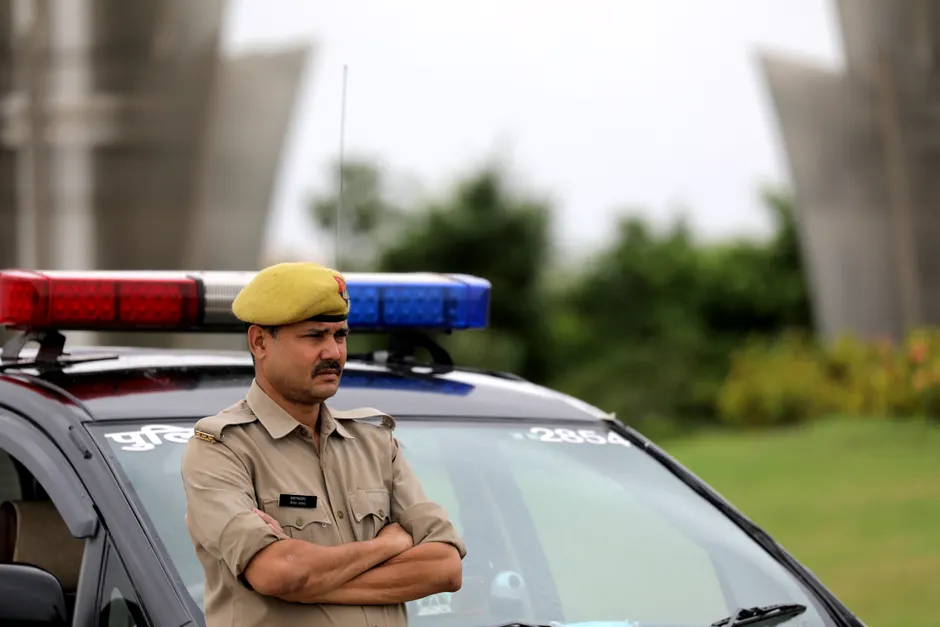
Five men allegedly gang-raped a woman in Begusarai, Bihar, in an assault of exceptional brutality that triggered a high-level police investigation and drew national attention in India by mid-June 2026.
According to NDTV, the survivor reported that the attackers took her to a desolate location outside her home before carrying out the assault. She attempted to raise an alarm during the attack. Medical examination findings point to deliberate, severe physical injury: doctors recovered a live bullet, stones, wood pieces, and cartridges from her body — objects inserted during the assault. The live bullet was inserted into her genitalia, according to New Indian Express.
The case has drawn comparisons to the December 2012 Delhi gang rape — commonly referred to by the victim's pseudonym Nirbhaya — in which a 23-year-old woman died after being assaulted with a metal rod on a bus, an event that forced legislative reform and brought millions into the streets. Yahoo News reported the Begusarai case as reviving that national reckoning, more than a decade on.
The Nirbhaya case produced the Criminal Law (Amendment) Act of 2013, which expanded the definition of rape, introduced the death penalty for repeat offenders and cases resulting in death or a persistent vegetative state, and created fast-track courts for sexual assault trials. Despite those reforms — and subsequent tightening of provisions following the 2018 Kathua and Unnao cases — conviction rates for rape in India have remained persistently low. The National Crime Records Bureau has consistently recorded large gaps between registered cases and those reaching conviction, a structural problem that reformers have attributed to investigative failures, witness intimidation, and systemic gender bias at multiple stages of the justice chain.
Bihar sits near the bottom of state-level gender safety indices. The state has a historically weak record on crimes against women relative to its population, constrained by under-resourced district policing, low female literacy rates, and entrenched caste-based power dynamics that can suppress reporting and influence local investigations. A high-level police response to the Begusarai case signals acknowledgment at the state level that the incident cannot be managed quietly — but deployment of senior officers in the immediate aftermath of a high-profile assault is, by itself, a procedural threshold rather than a guarantee of prosecutorial outcome.
The broader pattern here warrants scrutiny. India's post-2012 legislative framework is substantively stronger than what existed before Nirbhaya, yet incidents of comparable severity continue to surface with regularity. The gap between statutory reform and ground-level implementation is not narrowing at a rate consistent with the scale of legal change. Fast-track courts remain unevenly distributed; state police training on sexual assault investigation is inconsistent; and survivor support infrastructure — legal aid, medical care, witness protection — is still largely urban-concentrated. Bihar exemplifies all of these deficits simultaneously.
What the Begusarai case adds to this record is the specific nature of the physical violence: the use of foreign objects as instruments of injury moves the assault into a category of deliberate mutilation, not merely criminal sexual violence. That detail matters legally — it is relevant to the application of aggravated rape provisions under Section 376D of the Indian Penal Code, which carries a minimum sentence of 20 years — and it matters in terms of survivor care, requiring specialized medical and trauma support that district-level hospitals in Bihar are not reliably equipped to provide.
Whether the investigation holds and whether charges proceed through Bihar's courts without interference are the two variables that will determine whether this case follows the trajectory of Nirbhaya — slow justice, eventual convictions after years of appeals — or joins the larger, less-visible category of cases that stall before trial. Both outcomes are consistent with recent history. The survivor's condition and continued cooperation with investigators will be central; survivor intimidation in assault cases involving multiple accused is a documented and recurring problem in Indian criminal proceedings.
India's National Commission for Women and civil society organizations tracking gender-based violence will be watching the state government's response closely. Bihar's Chief Minister Nitish Kumar has faced sustained criticism on women's safety issues over successive terms; political pressure on this case is unlikely to dissipate quickly.