Baruipur Rape-Murder Case: Dozens Arrested as West Bengal Unrest Enters Political Phase
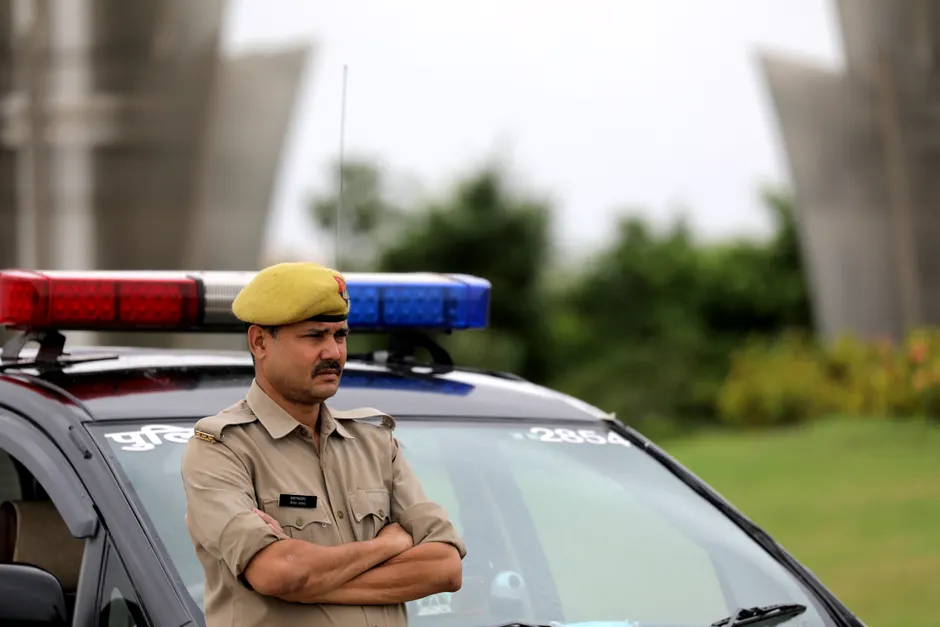
Indian police have arrested dozens of people following violent protests over the rape and murder of an 11-year-old girl in Baruipur, a town in the South 24 Parganas district near Kolkata, according to Reuters and NBC News, both published July 10. The arrests mark the latest escalation in a case that has moved through sexual violence, mob lynching, a fatal police encounter and now a communal political dispute in under a week.
The girl went missing on July 4 and her body was recovered the following day, Sunday, July 5, from a pond in the Surjyapur Haat area, stuffed inside a sack, according to NDTV. Early reporting from The Hindu described the victim as 12 years old and her body as mutilated when recovered; her family alleged rape and murder at the time. A post-mortem examination subsequently found she had been sexually assaulted and thrown into the water while still alive, per The Telegraph India. Police later determined the crime scene was a deserted area adjacent to a railway track, and characterized the attack as pre-planned, according to NDTV.
The discovery of the body triggered immediate unrest. Violent protests erupted on the Sunday morning the body was found, and a youth was lynched by a mob in Baruipur amid the fallout, per The Indian Express. Three people were arrested in connection with the rape and murder itself, with police searching for a fourth accused, The Indian Express reported July 6. West Bengal Police formed a Special Investigation Team to handle the probe, according to The Hindu, and investigators began examining a shack as a possible crime scene, per a separate Hindu report.
On July 8, one of the accused — identified as Prabhas Mondal — was killed in a police encounter roughly 100 metres from where the girl's body had been found in the pond, according to The Indian Express. Mondal's wife told NDTV she believed he was capable of committing the crime. Encounter killings of criminal suspects by Indian police routinely draw scrutiny over due process, and this one occurred while the SIT investigation and search for the fourth accused were still active.
The case has also acquired a communal dimension layered onto the criminal one. The BJP alleged the Opposition was attempting to give the rape and murder a communal colour, while the Trinamool Congress hit back at that characterization, per The Indian Express. Separately, the West Bengal Chief Minister said there was a communal angle specifically to the lynching of the youth and pledged action on that front, according to The Indian Express. The state government also pledged to pursue capital punishment for those convicted in the rape-murder case, per The Hindu.
Notably, West Bengal was under a newly-inducted BJP government at the time of the unrest, The Hindu reported — a detail that complicates the neat narrative of a BJP opposition attacking a TMC state administration. The overlapping accusations of communal framing from both the BJP and the Chief Minister, directed at different aspects of the same set of events, suggest that political actors across the spectrum are contesting the narrative of a case that began as a criminal investigation and rapidly became a proxy for broader disputes over law and order, communal relations and governance in Bengal.
The latest wave of arrests, reported by Reuters and NBC News on July 10, indicates that street-level unrest connected to the case has not subsided even after the alleged perpetrator's death in custody-adjacent circumstances and the state's public commitments on prosecution. Cases involving child sexual violence in India have historically catalyzed rapid, large-scale public mobilization, and Baruipur's trajectory — from discovery of a body, to mob lynching, to a contested police encounter, to dueling political accusations — illustrates how quickly such episodes can outpace the judicial process meant to resolve them. Whether the fourth accused is apprehended, and how the SIT's findings hold up against the circumstances of Mondal's death, will likely determine whether the case settles into a conventional prosecution or continues generating unrest.


