Gaza Watches the World Cup: Football, Solidarity, and the Politics of Support

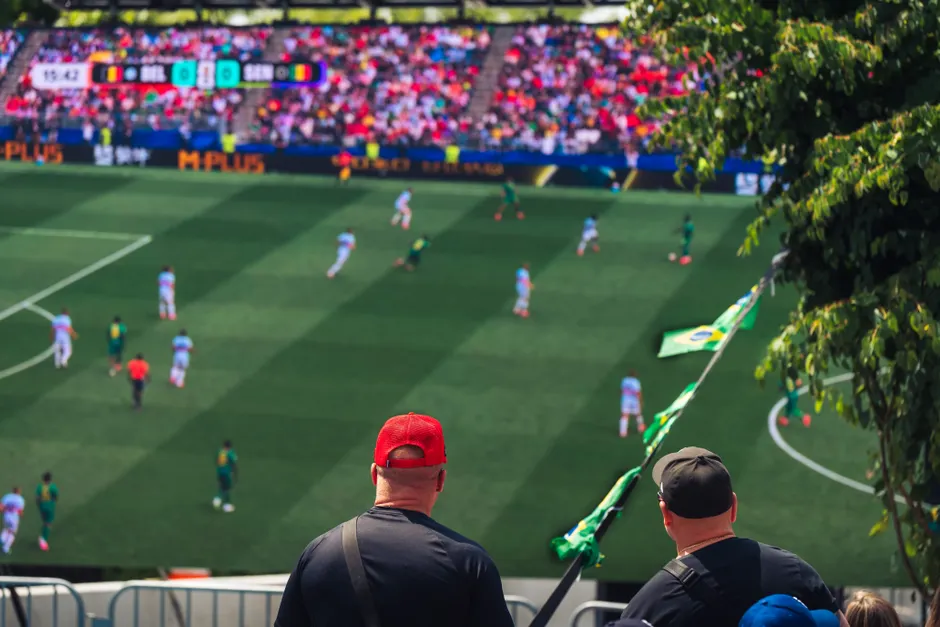
Palestinians in Gaza gathered to watch Spain's World Cup victory over Saudi Arabia on June 22, 2026, with fans citing Spain's political stance on Gaza as the direct reason for their support — a pattern documented by Al Jazeera that cuts across sporting loyalties and into the harder calculus of diplomatic recognition.
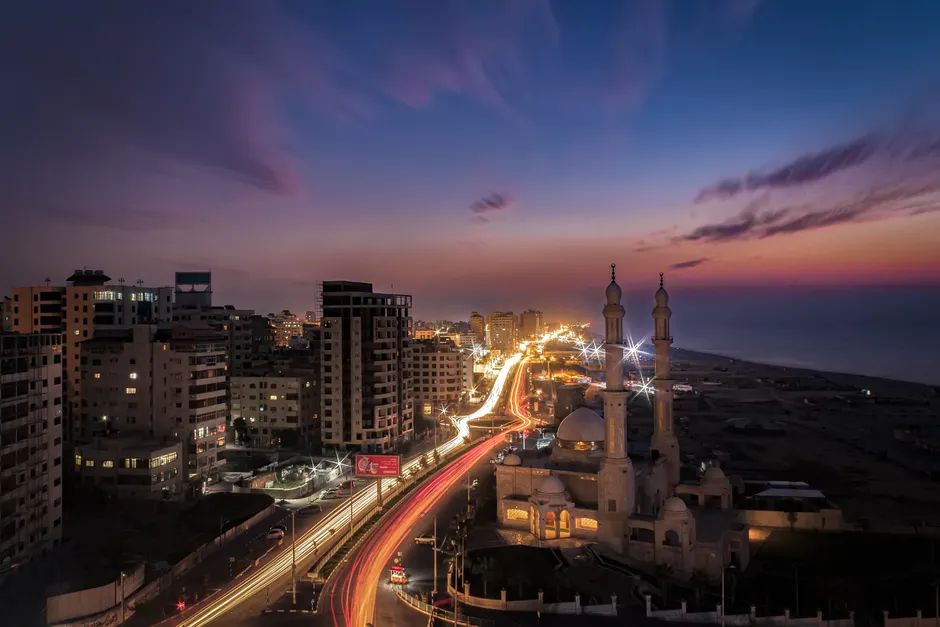
The choice of allegiance was not incidental. For Gazans watching a tournament they narrowly missed competing in, the flags on the pitch carry geopolitical freight. Spain's recognition of Palestinian statehood and vocal government positions on the conflict have translated directly into crowd support — a transposition of foreign policy into football fandom that says something about how deeply the war has saturated every dimension of life in the territory.
The scale of what the conflict has taken from Palestinian sport is precise and grim. Al Jazeera reports at least 894 Palestinian athletes in Gaza have been killed since October 2023. UN News noted in May 2026 that football has become the "only outlet" for many in Gaza, even as hundreds of footballers are among the dead. Stadiums have been destroyed. Entire seasons have been erased. A video report by Al Jazeera's Maram Humaid captured athletes, coaches, and fans describing the loss of teammates, infrastructure, and competitive continuity — a community sport stripped to its barest form.
What remains is striking in its own right. Al Jazeera's June 11 longform documented a club made up entirely of amputee players — men who kept playing after losing limbs. A FIFA Arena project is reportedly planned that would include 50 mini-pitches, five full-size stadiums, and a football academy in Gaza, though the conditions under which that plan could be realized remain entirely contingent on a ceasefire holding and reconstruction beginning in earnest.
The Institutional Dimension
The Palestinian Football Association has been operating in crisis mode long before this tournament. Palestine plays its home matches in Qatar, displaced by security conditions that make hosting in Gaza or the West Bank unworkable. The association's head, Jibril Rajoub, was stuck in Mexico as of June 12, unable to secure a US visa to attend the 2026 World Cup — a procedural obstacle that nonetheless landed as a symbolic one, with the governing body of Palestinian football locked out of the tournament's host country.
Palestine came close to being inside the tournament rather than watching from outside it. The national team missed qualifying after Oman was awarded a late, controversial penalty that effectively ended their campaign. The context is relevant: a squad training and competing under conditions that no other qualifier faces, drawing players from a diaspora while the homeland's football infrastructure was being dismantled by war. The near-miss resonated well beyond the sport.
The withdrawal from the 2023 Merdeka Tournament in Malaysia — forced by the outbreak of the Gaza war — was an early indicator of how completely the conflict would cut Palestine off from competitive football. What followed was not a pause but a sustained rupture.
The question of what sport means under these conditions does not have a clean answer. Football as "outlet" and football as political signal operate simultaneously here. When Gazan fans root for Spain, they are not making a sporting judgment — they are registering a position on who has stood with them, using the only global stage available. That the World Cup is being hosted in the United States and Canada adds a layer of irony that Rajoub's visa situation made concrete.
FIFA's planned infrastructure in Gaza gestures toward a future that requires resolution of conditions entirely outside football's jurisdiction. The body can design pitches; it cannot negotiate ceasefires. Until the broader political architecture shifts, the 894 dead athletes are a floor, not a ceiling, and the amputee clubs and crowded watch parties are the form Palestinian football takes for now.