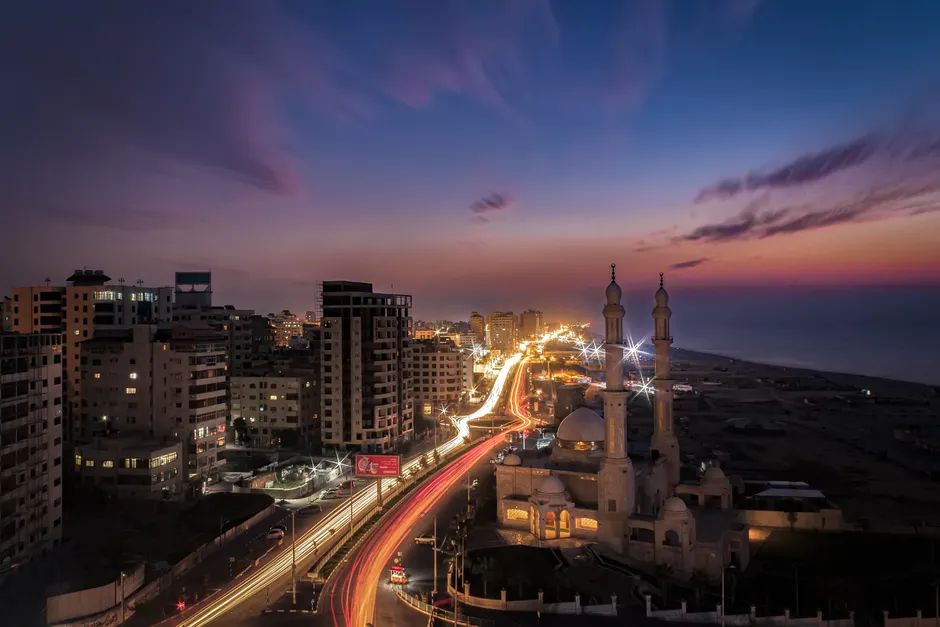
Gaza Celebrates Spain's World Cup Victory: Football, Solidarity, and the Politics of a Flag
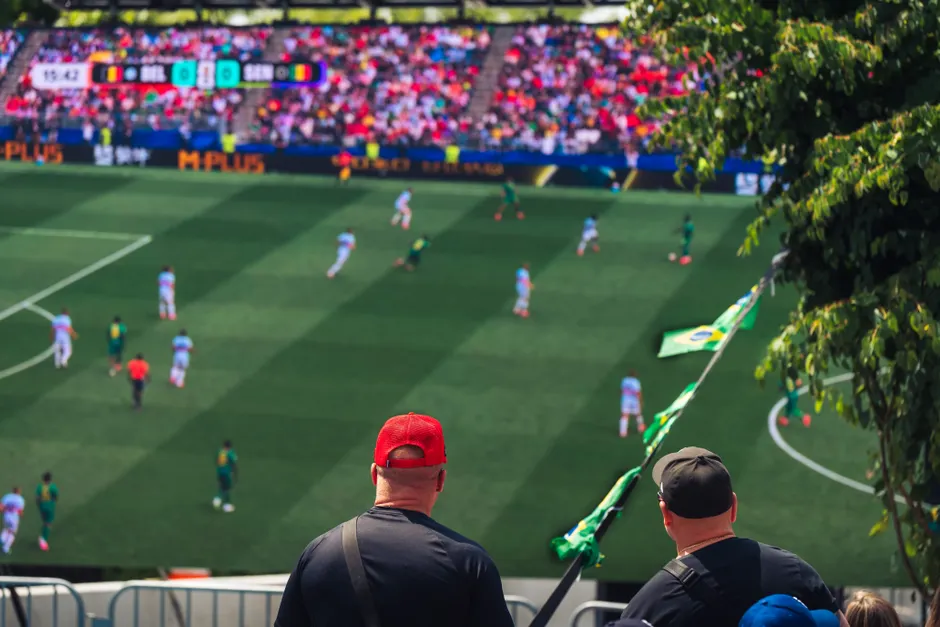
Palestinians in Gaza gathered at cafes, outdoor screenings, and makeshift screens across the enclave to celebrate Spain's victory over Argentina in the 2026 FIFA World Cup final on July 19, 2026, waving Spanish flags in a show of solidarity rooted in a gesture by Spanish teenager Lamine Yamal, who carried a Palestinian flag during Barcelona's La Liga title celebrations in May 2026. The Guardian published an on-the-ground feature report on July 21, 2026, documenting the celebrations across Gaza, where most of the territory's roughly two million Palestinians live in tent camps with limited access to power or internet following Israeli attacks that destroyed their homes.
The celebrations extended beyond Gaza. Al Jazeera reported that Palestinians in the occupied West Bank also celebrated Spain's win. TRT World reported that crowds in Spain itself raised the Palestinian flag and chanted "Free Palestine" during victory celebrations in Madrid, which drew nearly two million people on July 20, 2026. The Palestinian delegation to the United Nations posted an image of the Spanish team under the headline "world champions" following the final.
Reuters reported that Palestinians gathered at cafes in the Nuseirat refugee camp in central Gaza to watch the final. Al Jazeera reported that thousands gathered across Gaza to watch the match. For many, access to the tournament required effort: Arkan al-Walaida, 23, went to internet cafes each morning during the tournament to watch match highlights on TikTok, FIFA's YouTube channel, and Instagram, according to the Guardian's July 21 report.
The Egyptian Committee for the Reconstruction of Gaza organized public watch parties for displaced Palestinian families to follow Egypt's matches during the tournament, as reported by the Guardian on July 9. Egypt's run ended in the last 16 against Argentina on July 7. Just before that match, an Israeli airstrike killed Mohamed al-Wahidi, a Palestinian aid worker who had organized World Cup match screenings in Gaza, along with two brothers aged eight and ten.
The affinity between Palestinians and the Spanish team crystallized around Yamal's flag gesture. The Gaza al-Irada amputee football team posted a pre-game video message for Spain, stating: "Whoever raises the Palestinian flag deserves to raise the World Cup." Saadi al-Masri, 40, the captain of the al-Irada team, watched the final in a cafe with friends, as the Guardian reported.
The political dimensions were difficult to separate from the sporting ones. Spain has been among Europe's most vocal critics of Israel's war on Gaza and is pushing for stronger EU action, including suspension of a free trade pact. Israel's defense minister attacked Yamal for raising the Palestinian flag, accusing him of "inciting hatred." Spanish Prime Minister Pedro Sánchez defended Yamal on social media. Israeli Prime Minister Benjamin Netanyahu posted a good luck message for Argentina ahead of the final and has cultivated close ties with Argentine President Javier Milei.
The broader context here is one in which a football tournament became a proxy theater for geopolitical alignments already in motion. Spain's diplomatic posture toward Israel, its advocacy within the EU for punitive economic measures, and the public embrace of Palestinian symbols by Spanish footballers created a feedback loop: Palestinian communities adopted Spain as their team, which in turn generated visible Palestinian solidarity within Spanish celebrations, which then drew rebuke from Israeli officials, which Sánchez answered. The World Cup final between Spain and Argentina thus carried an additional layer of significance, with Netanyahu publicly backing Argentina and Palestinians across Gaza and the West Bank backing Spain.
The conditions under which Gazans followed the tournament frame the celebrations in a particular light. Displacement, infrastructure destruction, and restricted access to electricity and internet meant that for many, watching matches required finding communal screenings, internet cafes, or whatever power source was available. The killing of al-Wahidi, who had organized such screenings, underscored the stakes of communal gathering in a conflict zone. The al-Irada amputee team's involvement, a squad whose players carry war injuries, placed the celebration of a football result alongside the realities of ongoing conflict.
The convergence of sports and political solidarity is not novel in international football, but the 2026 World Cup final produced an unusually direct chain of gestures and responses linking players, governments, diplomatic missions, and civilian populations across multiple borders. Whether this moment sustains any political momentum beyond the tournament cycle is a question that belongs to the diplomatic and humanitarian processes already underway, not to the result on the pitch.