Sony to Skip CES 2027 After 60-Year Run

Sony will skip CES 2027.
Neither Sony nor its affiliates plan to exhibit products at the January event, Engadget reported. The decision was first reported by Nikkei.
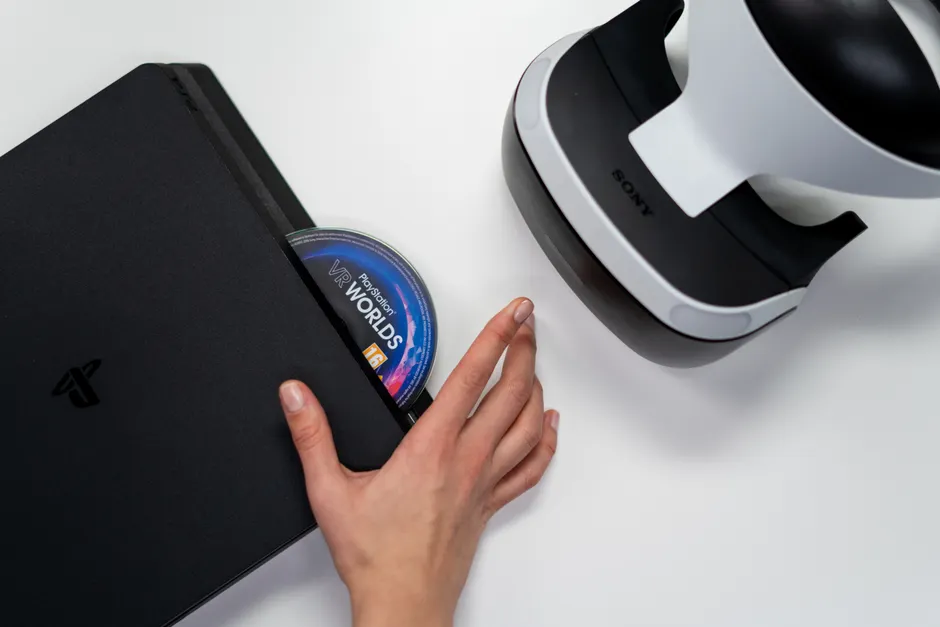
Sony said it is placing greater emphasis on entertainment, including games, anime, films and music, along with its intellectual property and technology supporting creators. That statement positions content and creator tooling ahead of the hardware categories that defined its CES presence for decades.
The absence will not be abrupt. Sony did not have its own booth at CES 2026. A prototype of the Afeela electric vehicle developed by Sony with Honda was on the show floor at that event.
Sony Honda Mobility scrapped the Afeela EV project a couple of months after CES 2026, with Sony and Honda saying they would review the direction of their joint venture. As background, the Afeela A1 electric vehicle had opened for reservations at CES 2025 with a starting price of $89,900, according to Reuters.
Sony also handed control of its Bravia TV business to China's TCL. With the TV operation transferred and the vehicle program halted, the company has fewer flagship hardware lines that map cleanly to a CES booth.
The withdrawal ends a 60-year presence at CES, according to Chosun Biz.
The broader context here is the changing utility of a general hardware showcase for a company whose value now concentrates in software platforms, rights catalogs and production pipelines. CES still works well for component suppliers, display makers, PC OEMs and automotive Tier 1s that need buyer meetings and press cycles tied to model years. It works less well for a seller of interactive entertainment and networked services, where distribution is digital and release timing is continuous.
In my view, the relevant question for tech professionals is not whether CES is declining, but how it is segmenting. A show floor built around panels, silicon demos, reference designs and vehicles rewards exhibitors with a physical product to touch and a spec sheet to compare. For IP-driven businesses, the leverage has shifted to closed developer conferences, direct-to-consumer showcases and licensing markets. Sony skipping the floor clarifies where it believes attention converts into revenue.
Looking at what this means for vendors and partners, the practical effects are narrow. Press coverage will lose a familiar anchor tenant. Supply chain meetings tied to Bravia will likely migrate to TCL or to private sessions. Creator technology, game engines, virtual production tooling and audio pipelines do not require a January booth to reach professional buyers. They require SDK stability, latency budgets, rights clearance and integration support.
There is a longer arc worth keeping in mind. Companies periodically outgrow the venues that made them visible. That is usually a sign of portfolio change rather than retreat. If Sony executes on entertainment and creator infrastructure, its absence from one exhibition hall will matter less than whether its tools lower production cost and friction for working creators.