Andy Burnham Plans 'Number 10 in the North' as Condition for Any Westminster Return
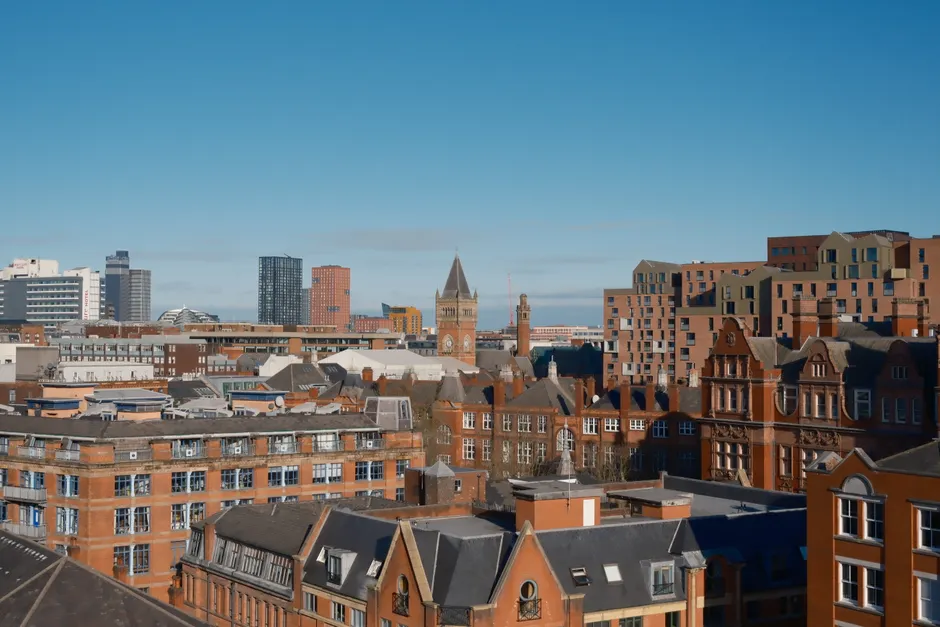
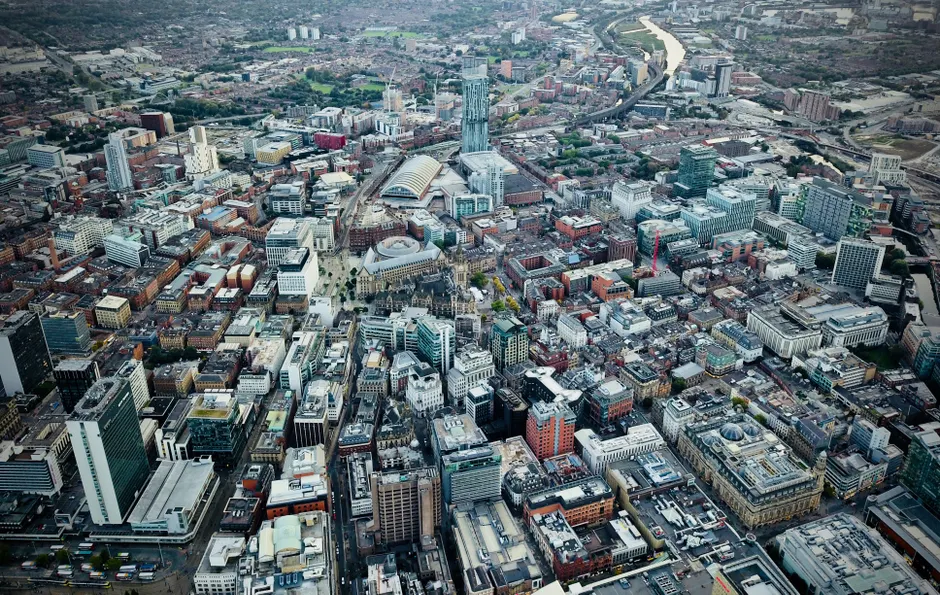
Andy Burnham, Mayor of Greater Manchester, is planning to establish what he calls a 'Number 10 in the North' — relocating part of his prime ministerial operations to Manchester — and has made clear he would only return to Westminster if he could directly challenge the over-centralisation of British politics, according to the Financial Times.
The proposition is pointed. Burnham is not framing a potential national role as a promotion out of Greater Manchester, but as an extension of the devolution project he has built there. The 'Number 10 in the North' concept implies a structural shift in how prime ministerial power would be physically and symbolically distributed — governing from Manchester, not merely visiting it.
Burnham's trajectory gives the statement weight. He was first elected Mayor of Greater Manchester in May 2017, a former Cabinet minister who had previously served as MP for Leigh. By 2021, he was re-elected having won every ward in Greater Manchester — a result that cemented his standing not just within Labour but as one of the more credible exponents of English devolution as a governing philosophy rather than a political talking point.
That electoral record matters when reading his conditions. Burnham has built a mandate in Greater Manchester that is, by any metric, more emphatic than most Westminster careers produce. His insistence that fighting over-centralisation would be a prerequisite — not merely a policy preference — for returning to national politics is a negotiating position with genuine leverage behind it.
The structural argument Burnham is making is well-trodden in academic and policy circles but rarely prosecuted this bluntly by someone with a credible path to national office. England remains one of the most fiscally and administratively centralised large democracies in the developed world. HM Treasury retains control over revenue-raising powers that regional and municipal governments in comparable federal or quasi-federal systems exercise as a matter of course. Greater Manchester's combined authority model, established under the 2014 devolution deals and expanded since, has been the most developed test case for changing that — but the powers devolved remain circumscribed relative to what Burnham and his counterparts have consistently sought.
A physical 'Number 10 in the North' would be a departure from convention with real institutional implications. Downing Street functions as both a working office and a diplomatic venue; splitting or duplicating that operation would require decisions about security infrastructure, civil service deployment, and the practical geography of Cabinet government. Whether Burnham's framing is a concrete operational plan or a rhetorical marker for a devolution-first agenda is not yet clear from the available reporting.
What is clear is the audience. The statement is calibrated for two groups simultaneously: Labour members and trade unions who will determine any future leadership contest, and the mayors, council leaders, and regional voices across the English midlands and north who have been the constituency for serious devolution reform since at least the 2014 deals. Burnham speaks directly to both without needing to resolve the tension between them.
The over-centralisation critique also carries a sharper edge in the current fiscal environment. With councils across England operating under severe financial stress and the Treasury's grip on capital and revenue budgets showing no structural loosening, the devolution argument has moved from a regional interest story to a question about whether local government as currently constituted can deliver the services it is legally obligated to provide.
Whether Burnham moves from Manchester to a national stage will depend on timing, Labour's internal dynamics, and the electoral cycle. But by attaching specific conditions — including the symbolic provocation of a prime ministerial base outside London — he has defined the terms on which he would engage. That framing, once stated publicly, is difficult to walk back without cost. It commits him to a version of the devolution argument that goes beyond incremental reform.