California Tightens Autonomous Vehicle Oversight as Industry Scales

California Tightens Autonomous Vehicle Oversight as Industry Scales
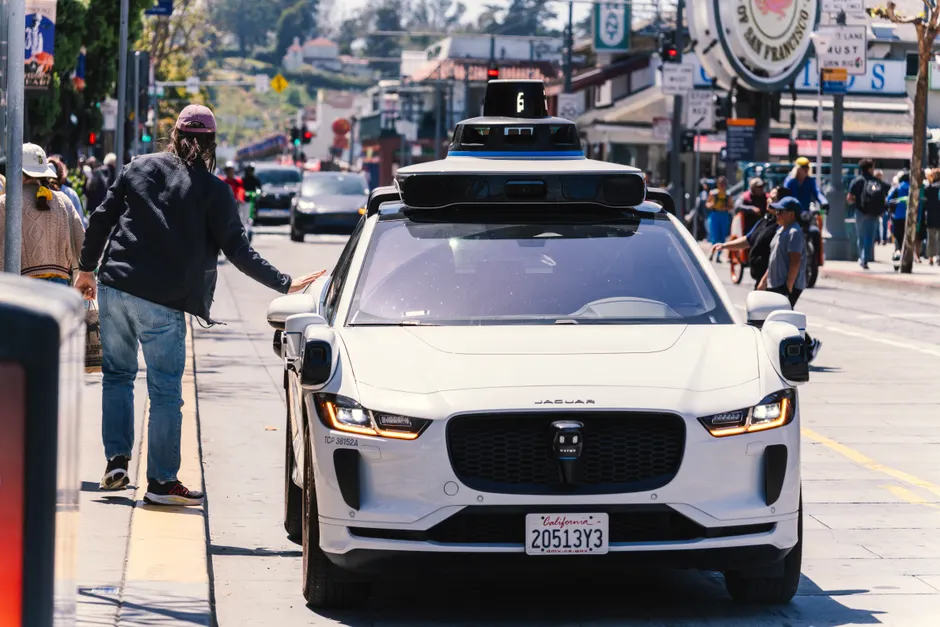
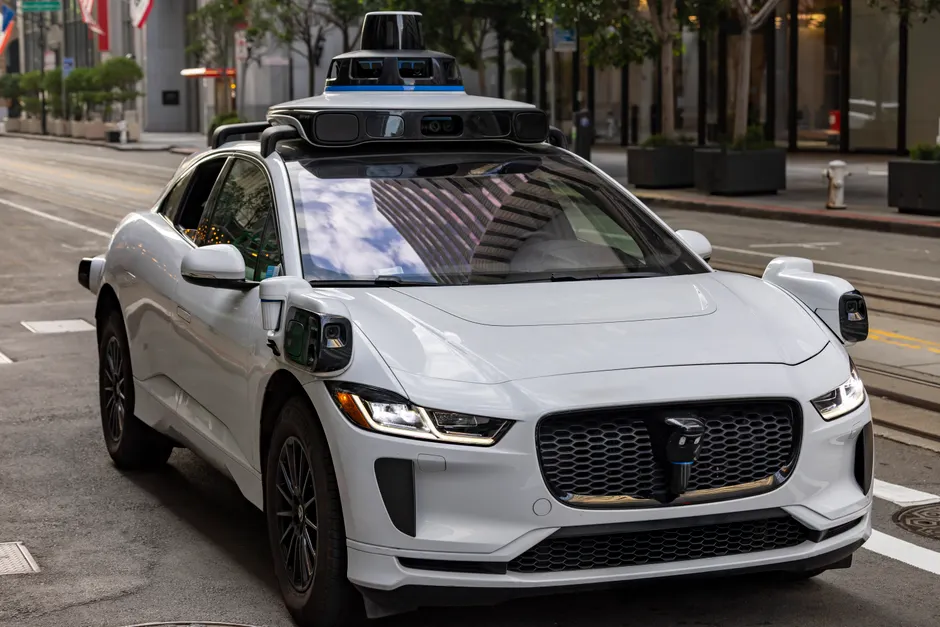
California's Department of Motor Vehicles has initiated formal rulemaking to update regulations governing autonomous vehicle testing and deployment, as the state implements new enforcement mechanisms for self-driving cars and prepares for broader commercial deployment in 2025 and beyond.
The regulatory update comes as three new state laws take effect, fundamentally altering how law enforcement interacts with autonomous vehicles on California roads. AB 1777 creates authority for officers to issue "notice of autonomous vehicle noncompliance" directly to manufacturers when their vehicles allegedly violate traffic laws, effective upon DMV adoption of necessary regulations. This mechanism shifts liability enforcement from individual citations to corporate accountability at the manufacturer level.
New Enforcement Powers and Digital Infrastructure
Starting January 1, 2025, AB 1978 authorizes law enforcement to impound vehicles used to obstruct highways or parking facilities for illegal racing without arresting drivers. While not AV-specific, the law reflects California's broader effort to address road safety through vehicle-level enforcement rather than relying solely on driver penalties.
The state is also preparing infrastructure for expanded digital vehicle management. Beginning January 1, 2027, California will authorize vehicles to use alternative devices to traditional license plates that include location technology. This shift toward connected vehicle identification systems creates the technical foundation for real-time monitoring and enforcement of autonomous vehicle operations.
Municipal Authority and Commercial Deployment
SB 915 grants larger California cities new authority to regulate autonomous vehicles operating within their boundaries, including setting maximum fares, implementing vehicle caps, and requiring data transparency from operators. This represents a significant expansion of local control over AV deployment, moving beyond state-level permitting to city-specific operational constraints.
The municipal authority provision addresses a gap in California's current regulatory framework, which requires manufacturers to obtain DMV testing or deployment permits for autonomous vehicle operation but does not account for local transportation planning concerns. Cities can now implement service area restrictions, peak hour limitations, and passenger safety requirements that complement state-level technical certification.
Commercial Truck Regulations Under Development
California issued draft regulations for autonomous trucks on August 30, 2024, maintaining the current restriction on vehicles weighing more than 10,001 pounds while establishing operational requirements for smaller commercial vehicles. The draft regulations require human operators in driverless trucks and mandate collision and traffic violation reporting to the DMV.
The truck regulations represent California's cautious approach to commercial AV deployment. Current DMV rules, revised in December 2019, permit testing and deployment of autonomous trucks under 10,001 pounds with approved permits, but exclude heavier commercial vehicles that dominate freight transportation. The draft regulations maintain this weight limit while adding operational oversight requirements.
Industry Compliance and Reporting Requirements
California's existing permit system requires manufacturers to obtain specific authorization for both testing and deployment phases of autonomous vehicle development. The state prohibits AV operation on public roads for non-testing purposes without DMV-approved applications and permits, creating a clear regulatory pathway from experimental to commercial operation.
Looking at the broader regulatory evolution here, this mirrors patterns I observed during the early commercialization of cellular networks in the 1990s, when states struggled to balance innovation with public safety oversight. The solution then, as now, involved layered regulatory frameworks that separated technical certification from operational authorization, allowing technology development while maintaining public accountability.
The pending rulemaking process invites public comment on proposed regulatory language, indicating California's intent to refine rather than overhaul its existing framework. The DMV's approach focuses on expanding enforcement mechanisms and reporting requirements rather than restricting testing permissions or deployment scope.
Technical and Policy Implications
California's regulatory updates address three distinct operational challenges: manufacturer accountability for vehicle behavior, local government authority over transportation services, and commercial vehicle safety standards. Each addresses different stakeholders in the autonomous vehicle ecosystem while maintaining the state's position as the primary technical certification authority.
The shift toward manufacturer-level enforcement through AB 1777 creates direct corporate liability for AV traffic violations, potentially accelerating development of more conservative driving algorithms. Combined with expanded municipal authority under SB 915, this creates a dual-layer accountability system where manufacturers face state-level enforcement while operators navigate city-specific service regulations.
The timing of these changes suggests California is preparing for broader commercial deployment beyond current limited pilot programs. The 2027 implementation date for digital license plate alternatives provides a two-year buffer for infrastructure development, while immediate enforcement mechanisms address current operational challenges.
Operational Impact for AV Developers
For autonomous vehicle manufacturers, the regulatory changes create new compliance requirements across three operational areas: state-level traffic enforcement, municipal service regulations, and enhanced reporting obligations. Companies must now design systems that can interface with law enforcement citation processes, municipal data sharing requirements, and expanded incident reporting protocols.
The regulatory framework maintains California's role as the de facto national testbed for autonomous vehicle policy, with other states typically adapting California's approaches to local conditions. The emphasis on manufacturer accountability and municipal authority suggests a regulatory model that other jurisdictions may adopt as AV deployment scales nationally.