California's New Autonomous Vehicle Rules Enable Police Citations for Robotaxis

California's New Autonomous Vehicle Rules Enable Police Citations for Robotaxis
California's Department of Motor Vehicles issued comprehensive autonomous vehicle testing and deployment regulations in May 2026, introducing a framework for law enforcement to cite robotaxi operators for traffic violations while expanding heavy-duty vehicle testing permissions and eliminating long-standing reporting requirements.
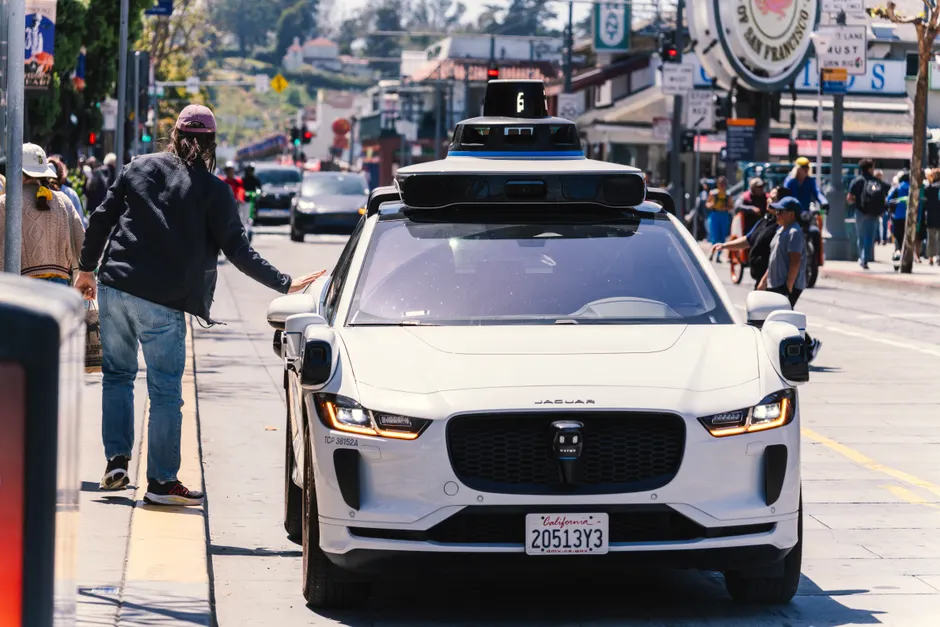
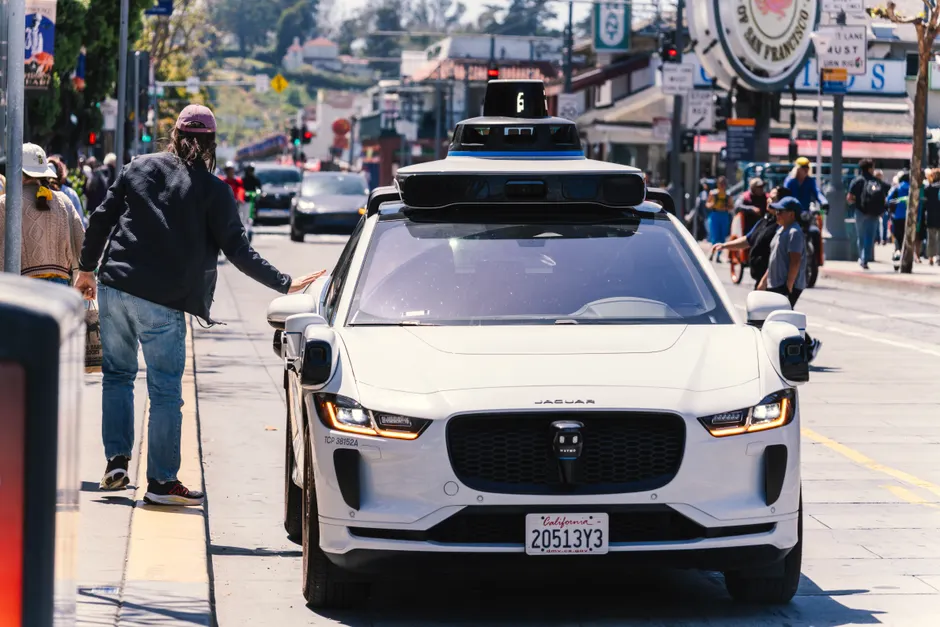
The 100-page regulatory package became effective May 1, 2026, with key provisions taking effect July 1, 2026. The rules establish the "Notice of Autonomous Vehicle Noncompliance" system, allowing law enforcement officers to issue citations directly to AV manufacturers rather than pursuing individual vehicle operators or passengers.
Citation Framework for Autonomous Vehicles
Under the new citation system, law enforcement can hold autonomous vehicle companies accountable for traffic violations through structured documentation processes. Manufacturers must report violations to the DMV within 72 hours of receiving them from law enforcement, with expedited reporting within 24 hours for serious incidents involving crashes.
The regulatory approach notably excludes monetary fines from traffic violations, focusing instead on compliance documentation and manufacturer accountability. This structure addresses a practical enforcement challenge that emerged as companies like Waymo accumulated more than $65,000 in parking violation fines during 2024 operations in San Francisco.
The citation authority stems from Assembly Bill 1777, which created the legal foundation for issuing notices of noncompliance to AV manufacturers for alleged traffic violations committed by their vehicles.
Operational Requirements and Communication Standards
The regulations establish stringent communication protocols for autonomous vehicle operations. AV operators must maintain two-way communication links with 30-second response times and answer calls from first responders within the same timeframe. Emergency personnel gain authority to issue electronic geofencing directives, enabling real-time exclusion of autonomous vehicles from emergency zones.
Manufacturers must provide annual updates to first responder interaction plans, ensuring coordination protocols remain current as deployment scales. The rules include licensing qualifications and permitting requirements for remote drivers and assistants of autonomous vehicles, addressing the human oversight layer in nominally autonomous operations.
These communication requirements reflect lessons learned from early deployment phases, where coordination gaps between AV operators and emergency services created operational friction during incidents.
Heavy-Duty Vehicle Authorization
California's new framework authorizes heavy-duty vehicles equipped with autonomous technology to test and eventually deploy on public roads, marking a significant expansion from previous regulations that excluded vehicles weighing more than 10,001 pounds. The rules permit autonomous trucks on highways under tightly controlled conditions, potentially opening freight corridors to driverless operations.
This expansion builds on December 2019 regulations that allowed testing and deployment of autonomous motor trucks weighing less than 10,001 pounds, extending the weight threshold upward while maintaining operational restrictions.
The regulatory evolution occurs as federal oversight intensifies. NHTSA's Standing General Order requires manufacturers and operators to report crashes involving vehicles equipped with automated driving systems or SAE Level 2 advanced driver assistance systems, creating parallel reporting obligations at state and federal levels.
Reporting Requirement Changes
California eliminated annual disengagement reporting requirements under the new rules, removing a data collection mechanism that tracked instances where human operators intervened to override autonomous systems. The disengagement reports provided public visibility into AV system limitations and improvement trajectories during testing phases.
This reporting change coincides with broader industry maturation signals. Tesla plans to operate a fleet of Model Y vehicles offering paid rides "fully autonomously" on Austin public roadways starting June 2025, indicating commercial readiness claims from major manufacturers.
Federal enforcement actions continue shaping industry practices. NHTSA announced a consent order with Cruise after the company failed to fully report a crash involving a pedestrian, demonstrating regulatory consequences for incomplete incident disclosure.
Looking back at regulatory patterns over three decades of technology deployment, we have seen this progression before: initial permissive frameworks followed by structured accountability measures as technologies reach commercial scale. The internet's early regulatory light touch gave way to platform liability discussions; mobile device privacy protections emerged after widespread adoption; cloud computing compliance frameworks developed alongside enterprise migration.
California's citation system represents this natural regulatory maturation, moving from experimental permission to operational accountability. The elimination of disengagement reporting while introducing violation tracking suggests regulators view autonomous vehicles as transitioning from experimental technology to commercial service requiring traditional traffic law enforcement.
The framework addresses practical deployment realities rather than theoretical capabilities. With Waymo operating driverless robotaxis across the San Francisco Bay Area and dozens of Los Angeles County cities, enforcement mechanisms for traffic violations became inevitable as fleet sizes grew.
Broader Legislative Context
The regulatory package operates within a broader legislative environment addressing autonomous vehicle governance. Senator Dave Cortese introduced Senate Bill 1246 to mandate specific ratios for remote operators of autonomous vehicles, indicating continued legislative attention to human oversight requirements.
Assembly Bill 1978 separately authorizes law enforcement to impound vehicles without taking drivers into custody for obstructing highways or facilitating speed contests, suggesting expanded enforcement tools across vehicle categories.
Beginning January 1, 2027, California will authorize vehicles to use alternative devices to traditional license plates that include vehicle location technology, potentially supporting enhanced tracking and identification capabilities for autonomous and conventional vehicles alike.
These regulatory developments position California as defining operational frameworks that other states may adopt or adapt. The state's market size and technology industry concentration create de facto national standards through regulatory precedent, particularly as AV manufacturers design systems for multi-state deployment.
The citation framework offers a pragmatic approach to autonomous vehicle accountability, establishing enforcement mechanisms while avoiding punitive financial structures that might inhibit continued development and deployment.