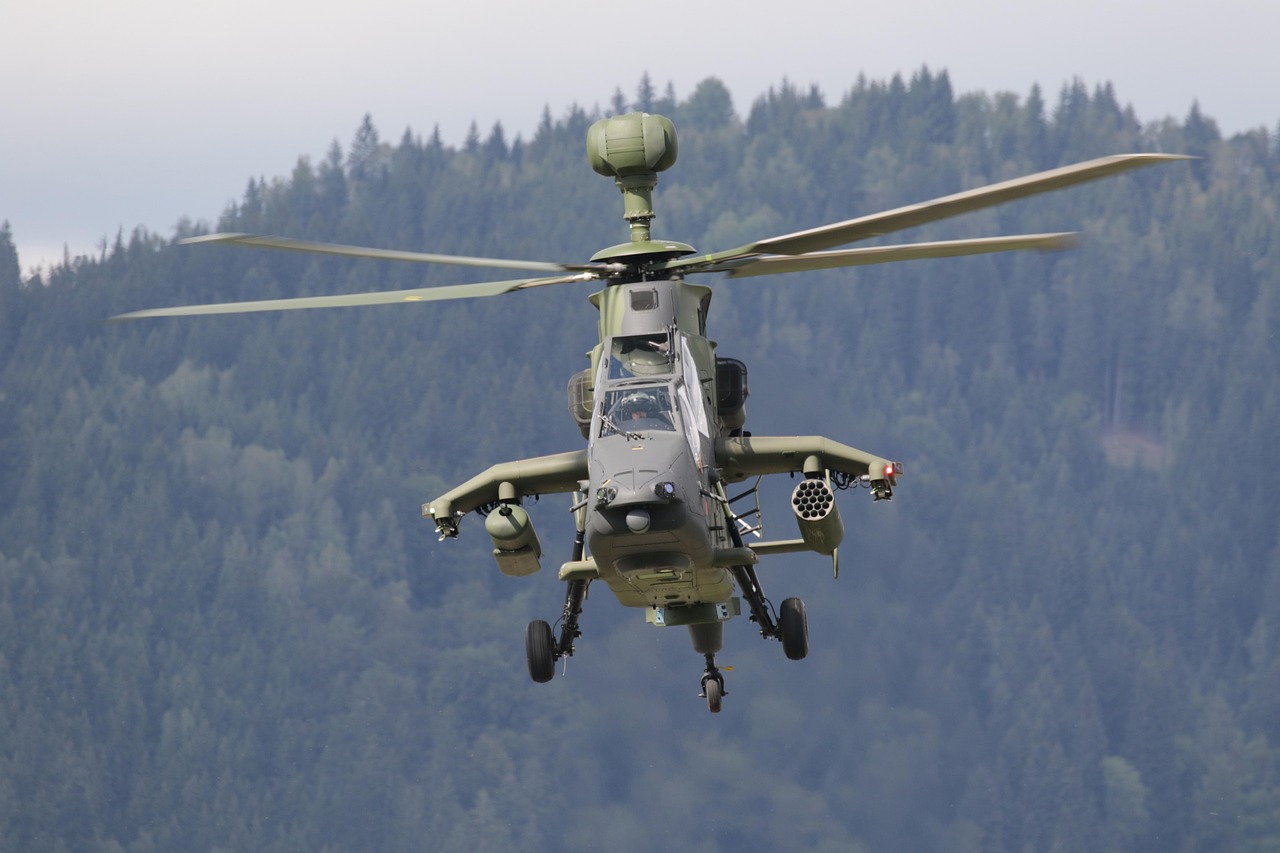
Saudi Aramco Helicopter Crash at Ras Tanura Kills 14

A Saudi Aramco helicopter crashed on Sunday at Ras Tanura, killing all 14 people on board, according to Reuters, citing Saudi state media. The crash occurred on Saudi Arabia's eastern coast, at one of the kingdom's most strategically concentrated energy nodes.
Ras Tanura sits west of the Strait of Hormuz — the chokepoint through which roughly a fifth of the world's seaborne oil transits — and hosts infrastructure that has long sat at the centre of global energy supply calculations. The facility includes one of the world's largest crude oil export terminals and a major refinery, making any incident in the area a matter of immediate operational and market sensitivity.
Aramco has not yet publicly detailed the type of helicopter involved, the identities of those killed, or the circumstances that led to the crash. Investigations of this kind in Saudi Arabia are typically handled by civil aviation authorities and, given Aramco's status as a state enterprise, often proceed with limited external transparency. The company's safety record across its vast aerial and ground operations is not routinely disclosed in granular form to the public.
The human toll is severe. Fourteen fatalities in a single aviation incident is among the higher death counts for a corporate helicopter accident in the Gulf region. Aramco operates an extensive fleet of rotary-wing aircraft to service offshore platforms, pipeline infrastructure, and remote onshore facilities across the Eastern Province — the operational heartland of Saudi oil production. The demands of that geography make helicopter transport a routine and largely unavoidable part of field logistics.
For context on the broader risk environment: the Eastern Province has been the subject of significant security attention over the past decade. The Abqaiq and Khurais facilities — also in the Eastern Province — were struck by drone and missile attacks in September 2019, briefly knocking out roughly half of Saudi Arabia's oil output. That incident reset expectations about physical vulnerability across the kingdom's energy infrastructure. A helicopter crash of this nature carries a different risk profile, but regulators and Aramco's own risk teams will be scrutinising whether this was mechanical, operational, or related to any external factor.
At this stage, nothing in the available reporting points to anything other than an accident. The cause is unknown, and characterising it further would move ahead of the verified facts.
What the incident does put in focus is the occupational exposure embedded in the day-to-day operation of the world's largest oil company. Aramco's output — roughly 9 to 10 million barrels per day in recent years — depends on constant human movement across complex, remote terrain. The people aboard that helicopter were, in all probability, part of the routine machinery keeping that system running. Their loss is a concrete reminder that energy infrastructure at this scale carries human costs that rarely surface in production figures or earnings reports.
Saudi authorities and Aramco are expected to launch a formal investigation. Given the location and Aramco's profile, international aviation safety bodies may also be engaged depending on the nationalities of those killed — a detail not yet confirmed in reporting as of 28 June 2026. The findings, if made public, will carry weight for rotary-wing safety standards across Gulf energy operators more broadly.