Amazon Bets on Android and Alexa+ With Three New Tablets
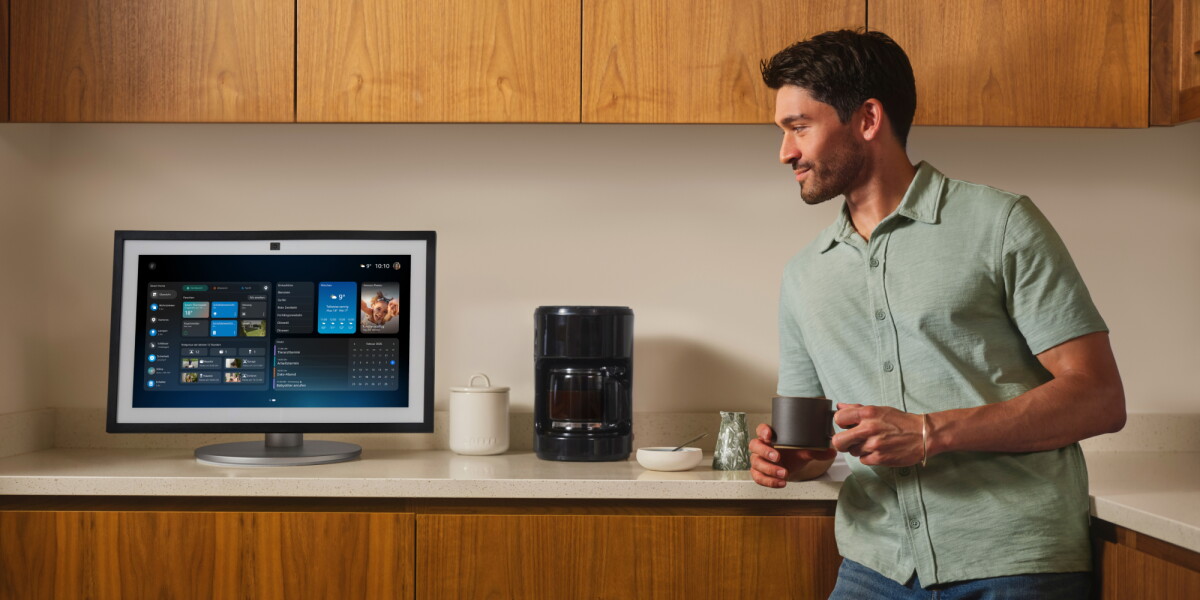
Amazon unveiled three Android tablets with Alexa+ built in on October 8, 2026. The lineup includes the Alexa Tablet 12 Pro, Alexa Tablet 11 and Alexa Tablet 8, all with aluminum unibody designs, high-resolution displays and full access to the Google Play Store at launch, according to TechCrunch.
Amazon described the family as an all-new product line with new hardware and a new OS, not a rebrand of its Fire Tablets. The distinction matters for developers and device managers. These tablets run Android and ship with Play Store support on day one, which removes the sideloading and alternate store workflow that defined Amazon's previous tablets.
The 12 Pro is the flagship and the clear productivity play. It has a 12-inch display at 280 PPI with a 120Hz refresh rate and a 3:2 aspect ratio, a combination aimed at document work, web apps and split-screen multitasking rather than video-first use. The chassis is 6.5 mm thick and comes in standard and Nanomatte anti-glare display options. Amazon lists Dolby Atmos speakers, Wi-Fi 6E and 16 hours of video playback. Pricing starts at $499.99, with the Nanomatte configuration starting at $549.99.
Specs tell the story further down the range. The Alexa Tablet 11 uses an 11-inch 2.5K display at 276 PPI with a 90Hz refresh rate and 16:10 aspect ratio, with 15 hours of video playback. It starts at $329.99. The Alexa Tablet 8 has an 8.7-inch display, weighs 329 grams and starts at $229.99. That weight and size put it in the one-handed reading and smart-home control category, where low friction matters more than raw throughput.
Amazon also announced Pro Pen and Pro Keyboard accessories for the 12 Pro. The message is straightforward. The 12 Pro is positioned as a laptop-adjacent device, while the smaller models cover media, reading and Alexa-centric household use.
The common thread is Alexa+, Amazon's AI-infused assistant. Alexa+ can store preferences, make reservations and connect to Amazon products, and it was designed to handle tasks such as shopping advice for vacation outfits and aggregated news stories, according to earlier reporting from Reuters. Access terms reflect a subscription attach model. Alexa+ is included with a Prime membership at no additional cost, while customers without Prime pay $19.99. Amazon notes that access on compatible Echo devices with unlimited access on Alexa.com and in the Alexa app requires Prime or the Alexa Standard plan.
Distribution is now extending beyond the U.S. Alexa+ began rolling out in India on September 16 as part of an Early Access program, as reported by Amazon's devices newsroom in March 2026. That followed a refreshed device lineup in late 2025 optimized for home security and Alexa+.
The broader context here is the software bargain Amazon is now offering. Full Play Store access at launch eliminates the largest objection enterprise buyers and mainstream Android users had to Amazon tablets, namely app parity, MDM expectations and update consistency. For developers, it means standard Play billing, Play Protect baselines and existing APK targets rather than a separate fork to maintain. In this author's view, that is the most consequential technical detail in the announcement, more than any single display or battery specification.
Worth flagging is how Amazon is segmenting the hardware. A 3:2 120Hz panel with pen and keyboard options, Wi-Fi 6E and anti-glare glass is a knowledge-work configuration, not a content-consumption configuration. The 11-inch and 8.7-inch models preserve low entry prices for fleet, family and kitchen-counter deployments where Alexa+ voice interaction does most of the work. If Alexa+ delivers persistent memory and reliable task completion across those form factors, the tablets become endpoints for an assistant-led workflow rather than standalone app launchers. That is what this launch enables, and what developers building for Alexa+ and Android should test first.


