Accra Floods Kill at Least 12 as Fire Compounds Crisis in Ghana's Capital
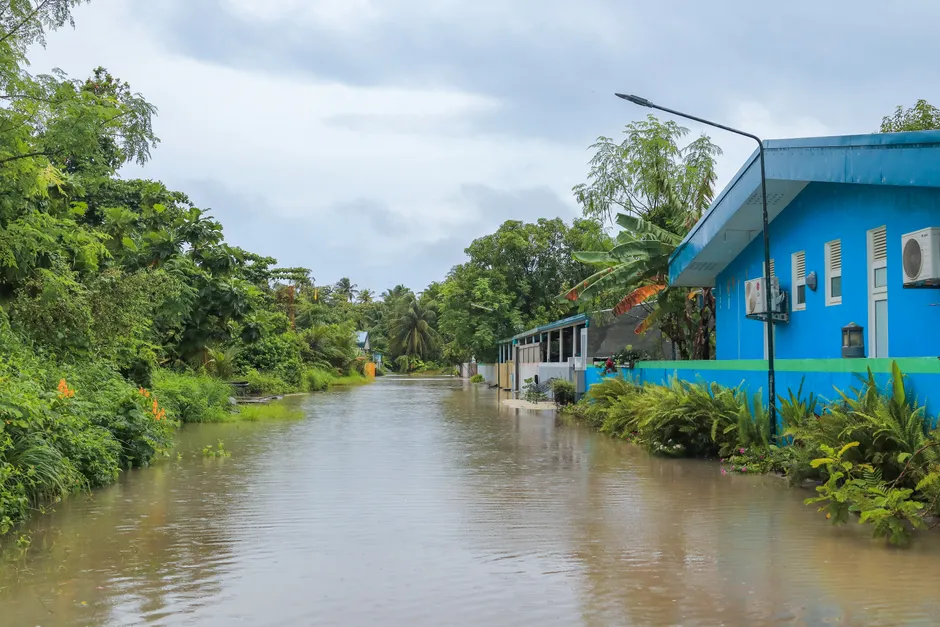
At least 12 people have been killed after heavy rainfall triggered widespread flooding across Accra, with the Alajo neighbourhood among the worst-affected areas — homes, roads and vehicles submerged as the city's drainage infrastructure buckled under the deluge, according to Reuters.
The Greater Accra Regional Fire Service and Ghana's National Disaster Management Organisation (NADMO) mounted rescue operations as floodwaters spread through multiple districts, AP News and Reuters reported on 29 June. A travel warning was issued for the capital as responders worked to reach stranded residents.
The crisis escalated when a rubber factory in Accra caught fire during the flooding, with the standing water severely hampering firefighters' access to the site, Al Jazeera reported. The concurrent emergencies stretched response capacity at a moment when coordination between NADMO and fire services was already under pressure from the scale of the inundation.
Accra's vulnerability to seasonal flooding is structural, not incidental. The city's rapid urbanisation — much of it informal — has progressively reduced permeable ground cover and overwhelmed aging stormwater systems originally designed for far lower population densities. The Odaw River basin, which drains much of the capital, has repeatedly proven unable to absorb peak-season rainfall without causing widespread inundation in low-lying areas like Alajo. The June 2026 event fits a pattern of escalating flood severity that Ghanaian authorities and climate adaptation specialists have documented over the past decade.
NADMO has faced persistent criticism for reactive rather than pre-emptive flood management, and the annual recurrence of mass-casualty flooding events in Accra has renewed pressure on city planners and the national government to accelerate drainage investment and enforce building codes in flood-prone corridors. The addition of a major industrial fire to an active flood emergency will likely sharpen those questions — particularly around industrial siting regulations and the adequacy of fire-service access infrastructure in areas known to flood seasonally.