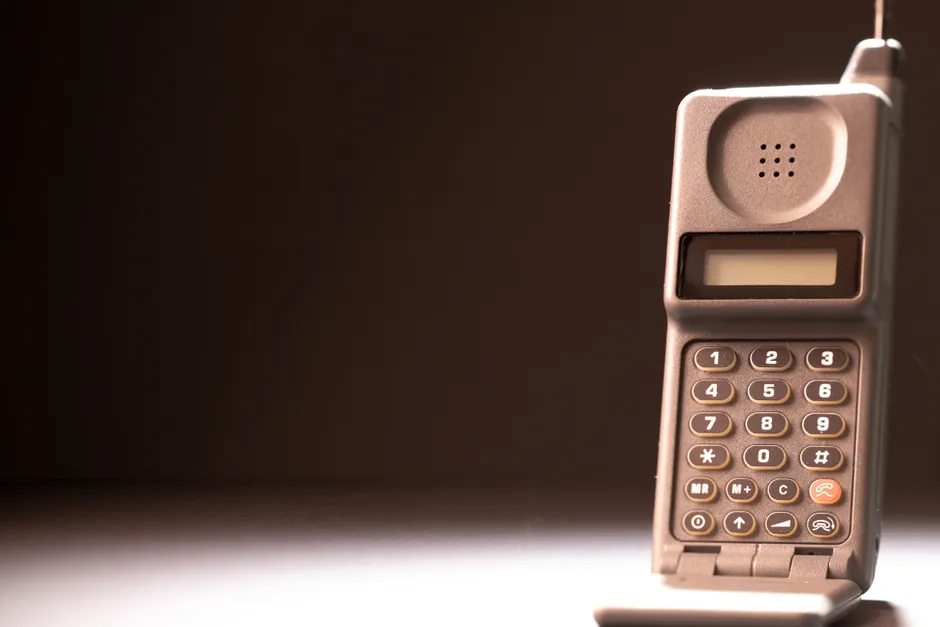
Clicks Communicator: A Physical-Keyboard Android Phone Built for Input-First Users
Clicks has built a standalone Android smartphone with a physical QWERTY keyboard, dubbed the Communicator, positioning it squarely for users who prioritise typed communication over touchscreen-centric workflows.
The device was showcased at CES 2026, where TechCrunch went hands-on with a prototype in early January. That hands-on drew immediate comparisons to BlackBerry — not an unfair reference point, given that the Communicator's defining feature is the same one BlackBerry built an empire on before touchscreens effectively ended that era.
Clicks is not a name most people associate with full handsets. The company made its initial mark with a clip-on keyboard accessory for iPhones, adding a hardware typing surface to an existing device rather than replacing it. The Communicator is a different proposition: a purpose-built phone in which the keyboard is integral to the industrial design, not an afterthought bolted on.
The broader context here is worth sitting with. The physical keyboard as a smartphone feature has been effectively absent from the mainstream market for well over a decade. Attempts to revive it — from BlackBerry's own Android pivot with devices like the KEYone and KEY2, to the Fxtec Pro1 series — found real but narrow audiences. Each had a ceiling that manufacturers consistently underestimated: the enthusiast pool for hardware keyboards on smartphones is genuine, but it has never been large enough to sustain a flagship-scale product line. Clicks, coming from the accessory side of this market, arguably has a clearer-eyed read on who that audience actually is and what they will pay for.
What Clicks is calling the Communicator is described as purpose-built for taking action and communicating — language that maps onto messaging-heavy use cases, email-forward workflows, and the kind of rapid-response professional environments where touchscreen keyboards introduce friction. Whether the hardware executes on that promise is a question the prototype stage cannot fully answer. CES prototypes have a long history of diverging from shipping products in ways that matter.
The Android platform choice is practical. It gives Clicks access to the full Google Play ecosystem without the enormous investment required to build or license a proprietary OS, and it sidesteps the application compatibility problem that plagued some earlier keyboard-phone attempts. An Android device with a physical keyboard is, at its core, just an Android device — every app that runs on a glass-slab phone runs here too, even if some are optimised only for touch input.
One question that the CES prototype showing left open is hardware specification — chipset, display resolution, battery capacity, and pricing were not confirmed in the January reporting. Those details will matter considerably for the target buyer. A well-specified device at a fair price solves a real problem for a specific user. An underpowered one at an enthusiast premium does not.
The Communicator is one of the more concrete bets anyone has placed on the physical keyboard's residual demand in some time. Whether that demand is large enough to sustain a product line remains the operative question — not for the device's concept, which is sound, but for the business behind it.