Commodore's Callback 8020 Is a Linux Flip Phone Built Around Blocking Itself
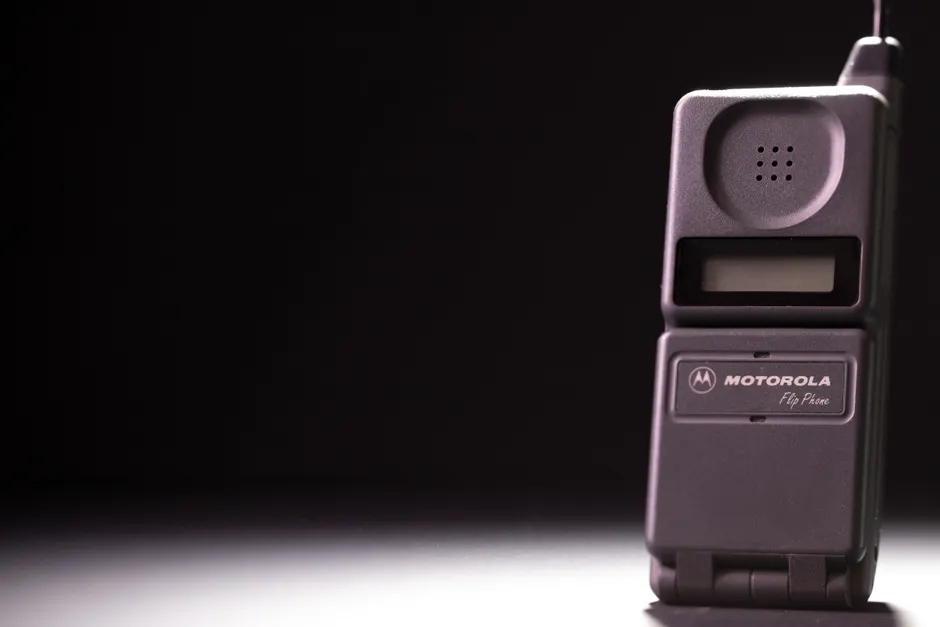
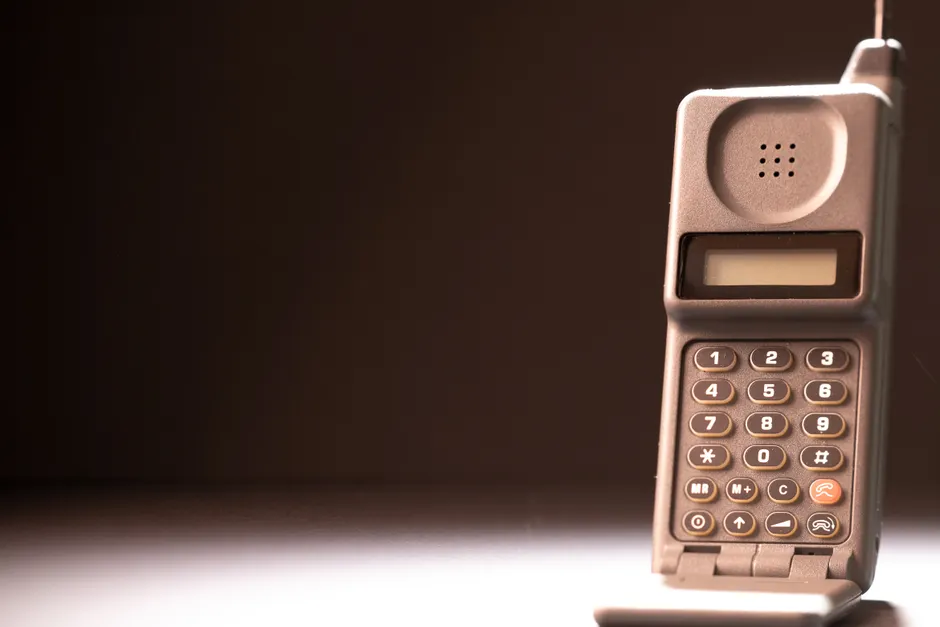
Commodore has announced the Callback 8020, a Linux-based flip phone priced from $499 that ships with the ability to block social media and browsers — while still running what the company claims is 99% of Android apps.
The hardware leans hard into retro aesthetics: five colorways evoke the brand's 1980s home-computing palette, and T9 texting is part of the experience by design. Tom's Hardware reports the device targets users seeking a "digital detox" without fully surrendering smartphone utility.
The architecture is the interesting part. Rather than shipping a stripped-down Android ROM or a genuine feature phone OS, Commodore built on Linux and layered Android app compatibility on top — a configuration that places it in the same rough territory as devices running the Android Open Source Project without Google Play Services, or solutions like Waydroid. The practical result is a device that can, in principle, run a navigation app or a banking client, but can be administratively locked so a browser or Instagram never load. Whether that lockdown is enforced at the OS level or is easily circumvented by a motivated user is a detail Commodore has not fully disclosed publicly.
Wired frames this as a phone that is not quite "dumb" — a useful distinction. True dumb phones run no third-party apps whatsoever. The Callback 8020 is better understood as a managed-capability device: the full compute stack is present, but policy constrains what the user can reach. That is closer to an MDM-enrolled enterprise handset than to a Nokia 3310.
The $499 entry price positions it above the impulse-purchase bracket. For context, a genuine dumb phone from Nokia or Punkt runs well under $150. The premium here is presumably the flip form factor, the Android compatibility layer, and the brand nostalgia Commodore is clearly monetising. Whether buyers will pay that premium for what amounts to a self-imposed content firewall on capable hardware is the commercial question.
Worth flagging: the tension at the core of this product is structural. A device that runs 99% of Android apps can, by definition, run app stores, VPN clients, and sideloaded APKs. The digital detox value proposition depends entirely on the robustness of the blocking implementation — and on the user not being the one holding the admin credentials. Commodore has not publicly detailed the enforcement model, which matters a great deal to the device's actual utility for parents buying one for a teenager, versus an adult buying one for themselves.
The Commodore name adds a layer of signal worth noting separately. The brand has been licensed repeatedly since Commodore Business Machines collapsed in 1994, and has appeared on various consumer electronics with mixed results. This iteration positions it squarely in the wellness-tech space, which has seen growing commercial attention from manufacturers looking for differentiation in a saturated handset market.
The flip form factor itself is having a modest revival. Samsung's Galaxy Z Flip line has normalised the clamshell at the premium end; Commodore is betting that a subset of buyers wants the physical nostalgia without the flagship price, and with friction deliberately built in to reduce screen time. Whether the Linux-plus-Android-compatibility stack performs well enough on the Callback 8020's undisclosed silicon to make that proposition coherent day-to-day is something reviewers will need to establish.
The five retro colorways and T9 keyboard suggest Commodore's marketing team understands that the audience here is partly emotional. The deeper question — one the spec sheet cannot answer — is whether the blocking architecture is genuinely robust. A digital detox device that can be unlocked in three taps is just an expensive flip phone.