Airlines and Airports Urge Brussels to Allow EES Suspension During Peak Travel

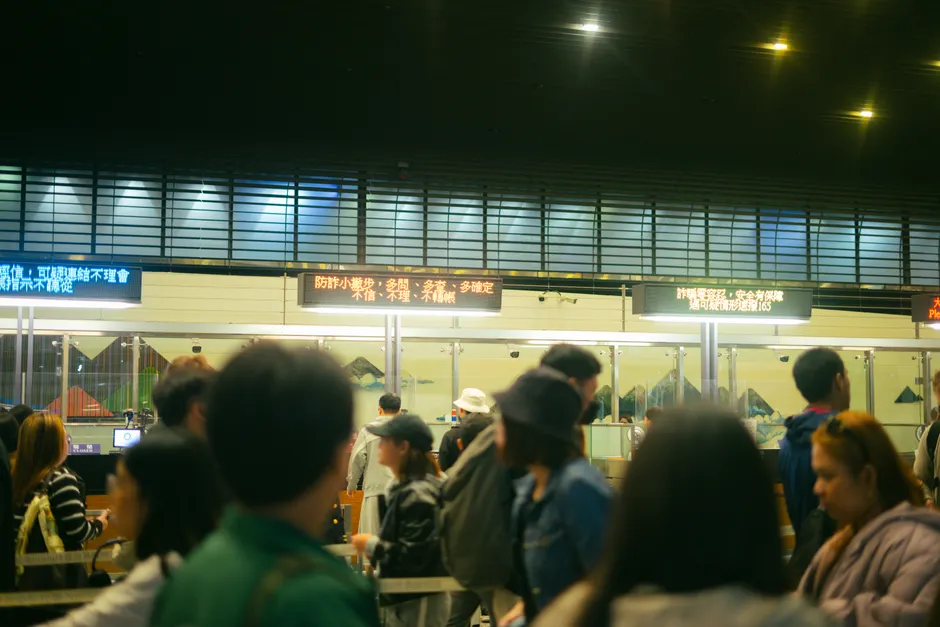
ACI EUROPE and a coalition of European airlines wrote to European Commission President Ursula von der Leyen on June 29, 2026, demanding that Member States be granted authority to partially or fully suspend the EU Entry/Exit System (EES) when passenger volumes breach operational capacity — a request that crystallises months of industry pressure over a system already generating queues of up to six hours at major European airports.
The EES became fully operational on April 10, 2026, replacing the legacy passport-stamp regime with biometric capture and digital registration of third-country national entries, exits, and refusals of entry under Regulation (EU) 2017/2226. The architecture is sound in principle: a centralised database giving border authorities real-time overstay data across the Schengen Area. The operational throughput, however, has not matched the theory. Forbes reported on June 23 widespread delays of one to four hours, with some airports logging six-hour waits — figures that, for hub operators running sub-60-minute connections, are structurally untenable.
The warnings were not new. IATA and ACI EUROPE put the Commission on notice as early as February 11, 2026, calling for an immediate EES review before summer traffic peaked. The travel industry had flagged similar concerns even before April's rollout, with The Guardian reporting in February that provisions allowing border officers to relax biometric requirements were insufficient to absorb peak-hour surges. Those warnings went unheeded in any structural sense. The system launched on schedule.
The Pressure Builds
By late June, the rhetoric had sharpened. Rome's airports threatened outright suspension of EES checks to prevent what operators described as a summer disaster — an unusually blunt move for an operator subject to EU law, and one that signals how acute the throughput problem has become at one of Europe's busiest non-Schengen entry points. The June 29 letter to von der Leyen, reported by the Financial Times on July 1, formalised that pressure into a collective industry position: allow airports to stand down EES checks when volumes exceed capacity, with ACI EUROPE proposing the suspension window extend until October 2026.
The regulatory framework does contain a suspension mechanism. Under the EES framework, a suspension can initially run up to 12 months and may be extended for a further 24 months — the current window referenced by the Commission runs from March 6, 2026 to March 6, 2027. Member States may also prolong internal border controls beyond a two-year maximum for an additional six months under separate Schengen provisions. The industry's ask is therefore not a request to tear up the system; it is a request to activate latent flexibility that already exists in the regulation.
That distinction matters politically. The Commission has invested significant institutional capital in EES — it was delayed repeatedly over several years before finally launching — and any formal suspension risks being read as an admission that the rollout was premature. Brussels will be weighing that reputational cost against the operational reality now playing out across major hubs.
The practical calculus for airports is straightforward: a four-to-six-hour immigration queue does not stay contained at the border. It backs up into terminals, disrupts aircraft stands, delays departures, and cascades through network schedules. For hub carriers, misconnections trigger reaccommodation costs and compensation obligations under EU261. The industry's framing — suspension as a safeguard rather than a rollback — is deliberate, designed to give the Commission a face-saving route to act.
Whether Brussels moves before the August peak is the operative question. The Commission can grant Member States flexibility without legislative amendment if it chooses to interpret the existing suspension provisions broadly. A formal regulatory adjustment would take longer. Given that the July 1 letter is public, and that Rome's airports have already signalled a willingness to act unilaterally, the Commission faces a narrowing window in which an orderly, coordinated response is still possible.