UK Unveils £15 Billion Defence Investment Plan Ahead of NATO Ankara Summit
The UK government published its Defence Investment Plan on 30 June 2026, committing £15 billion in new defence funding over the next decade and projecting annual Ministry of Defence spending of approximately £80 billion by 2029, according to the plan's full document.
The MoD's 2027–28 allocation stands at £74 billion — £20 billion above what the department received in the final year of the previous administration. The headline £15 billion breaks down into several discrete capability envelopes: roughly £11 billion earmarked for munitions and weapons stockpiles, including long-range strike capability; more than £5 billion directed at drone transformation across the armed forces; and £26 billion over ten years to upgrade naval bases. The nuclear deterrent receives dedicated renewal and maintenance funding, though no standalone figure for that programme is broken out separately in the published summaries.
Prime Minister Keir Starmer announced the plan in a speech on 30 June, framing it as preparation for the NATO summit in Ankara on 7–8 July 2026, where he planned to present the commitments to allies. The timing was deliberate: NATO members have faced sustained pressure to raise defence expenditure, and arriving at Ankara with a costed, published plan rather than a political pledge carries real credibility in alliance negotiations.
The plan had a troubled gestation. Reuters reported on 5 June 2026 that publication had slipped from the previous year, with military leadership publicly warning that time was running short. That the document finally landed with less than two weeks before the Ankara summit compressed the window for parliamentary scrutiny — a trade-off the government clearly judged acceptable given the diplomatic calendar.
The spending profile is worth mapping carefully. The £80 billion annual figure by 2029 would, if sustained, place UK defence expenditure in a different weight class relative to European peers. The £11 billion munitions envelope addresses a gap that has been visible since the early months of the Russia–Ukraine war, when Western stockpile assumptions built around expeditionary, low-intensity operations were exposed as inadequate for sustained high-intensity conflict. The drone investment reflects a structural shift in land and maritime warfare that has been accelerating since 2022 — the £5 billion allocation is one of the largest single-service-agnostic drone commitments by any European NATO member to date.
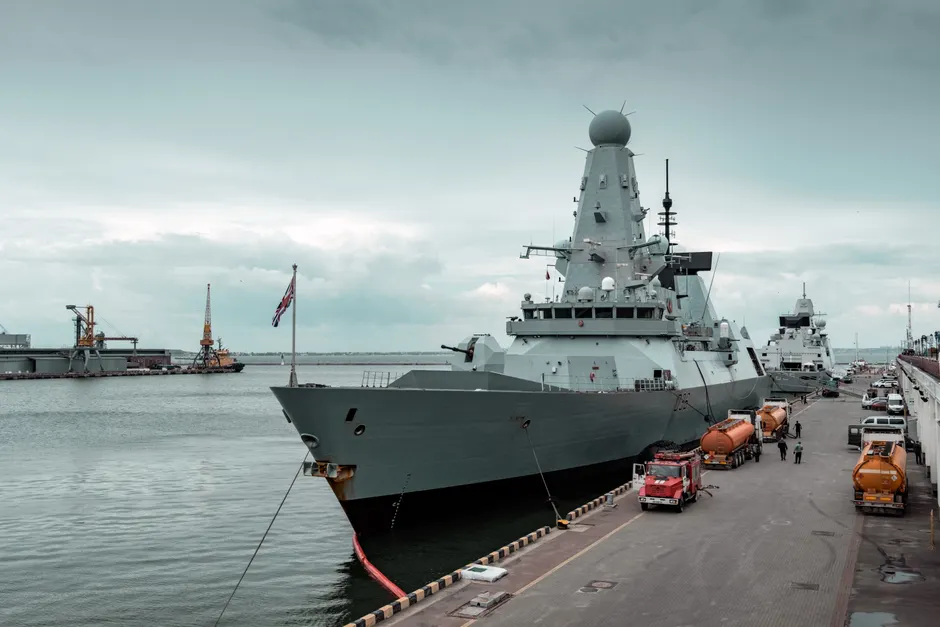
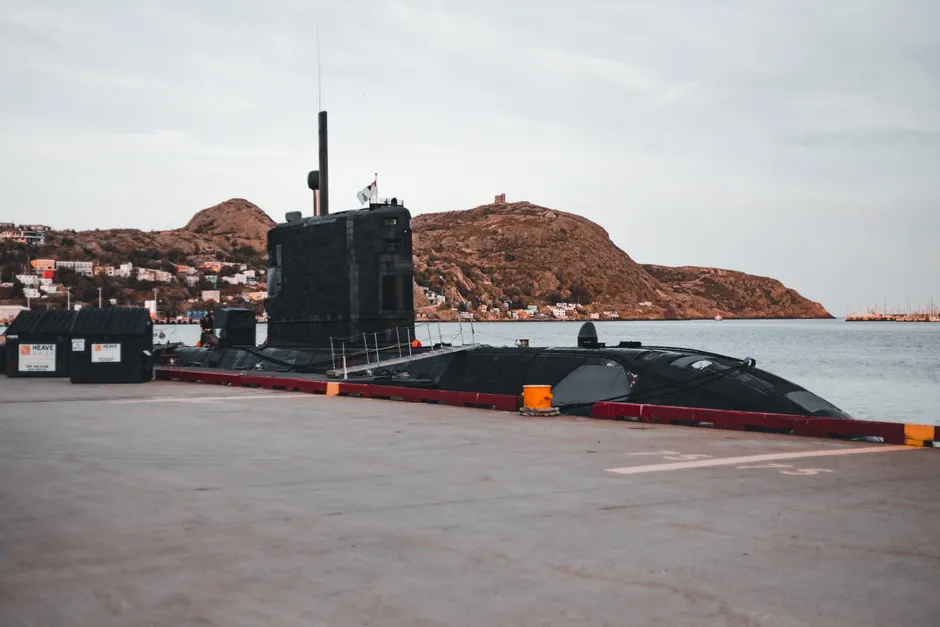
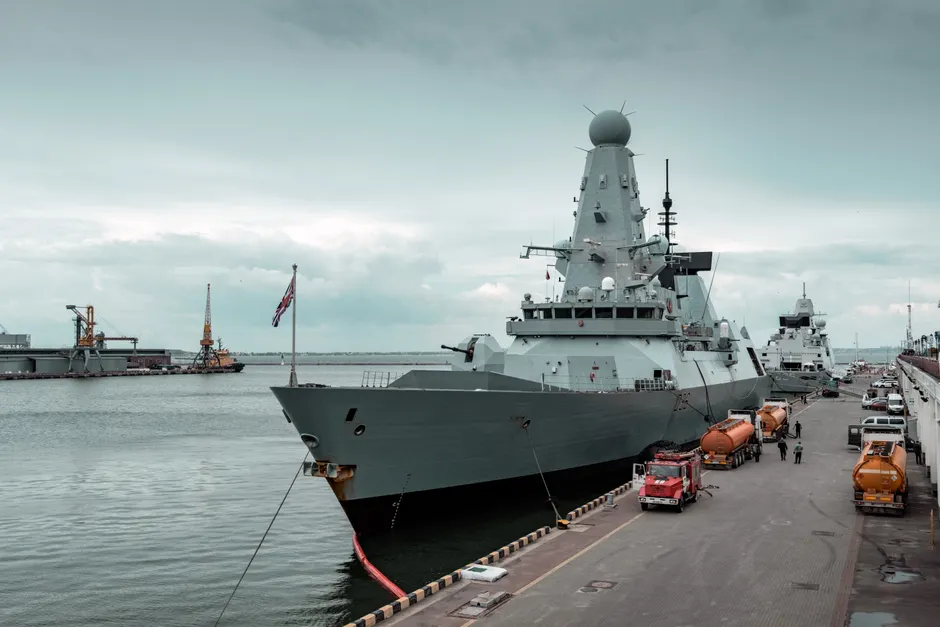
Naval base infrastructure has historically been an underfunded enabler in UK defence planning. The £26 billion over ten years for base upgrades is significant because force projection capacity is ultimately constrained by what ships, submarines, and aircraft can be sustained and turned around from home ports. The nuclear deterrent funding, while unspecified in public-facing documents, fits within the broader Dreadnought-class SSBN programme and the infrastructure required to sustain continuous at-sea deterrence — the UK's stated minimum nuclear posture.
The broader fiscal architecture matters here. The gap between the £74 billion MoD allocation for 2027–28 and the £80 billion projected for 2029 implies a steep upward ramp in the intervening years, one that will require either a reallocation from other departmental budgets or sustained economic growth above current OBR projections. Neither path is politically frictionless. The government's letter from the Prime Minister to Defence Secretary John Healey, published on 11 June, described the investment as unprecedented — language that is measurably accurate when set against post-Cold War UK defence budgets, though the real-terms value will depend on inflation trajectories over the decade.
What the Ankara summit will test is whether the published plan translates into binding allied confidence. NATO's defence planning process evaluates not just headline percentages of GDP but the credibility of capability commitments — force structure, readiness, interoperability, and industrial capacity to sustain attrition. The munitions and drone figures speak directly to those criteria. Whether the ramp-up in spending holds through future spending reviews is the question that defence planners in Brussels, Washington, and Warsaw will be watching.