UK Commits 4.2% of GDP to Defence in Sweeping Investment Plan
On 30 June 2026, the UK Prime Minister announced the Defence Investment Plan, committing the country to defence expenditure at 4.2% of GDP — a target that, if sustained, would place the UK among the highest defence spenders in the NATO alliance. The plan spans naval shipbuilding, directed energy weapons, drone and autonomous systems, and a major new research facility, making it one of the most structurally broad defence announcements in a generation.
The Spending Commitments
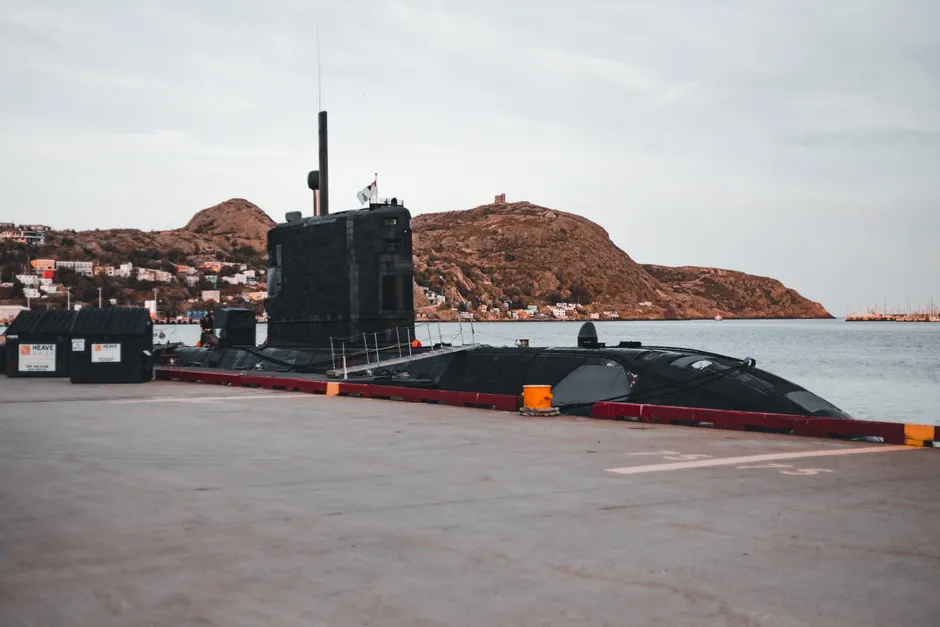
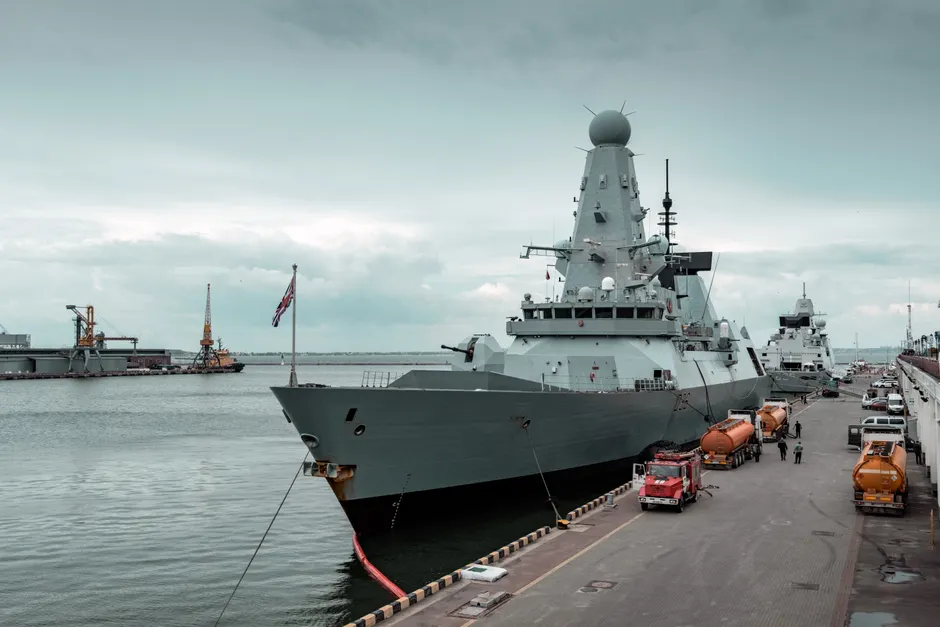
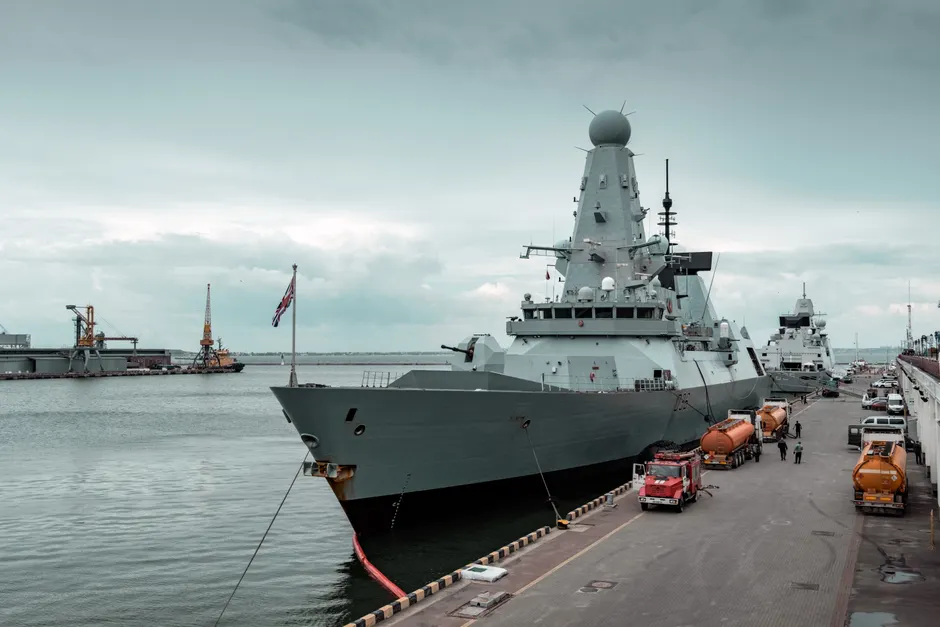
The Royal Navy is the most concrete beneficiary in hardware terms. The plan includes construction of at least six new warships equipped with advanced maritime air defence capabilities, alongside upgrades to Sea Viper — the long-range surface-to-air missile system carried by the Type 45 destroyers. Sea Viper upgrades have been a standing Royal Navy priority given the system's known limitations in salvo engagements, and their formal inclusion signals institutional acknowledgement of a gap that analysts have flagged for years.
Directed Energy Weapons (DEW) also receive a named commitment. Laser and high-power microwave systems have moved from experimental status toward operational procurement across several Western militaries, and the UK's explicit inclusion of DEW investment aligns the programme with parallel US and Israeli development trajectories. The cost economics are the draw: a directed energy intercept runs at a fraction of the price of a conventional missile, which matters considerably at a time when adversary drone and missile saturation tactics are the dominant threat vector.
The drone and autonomous systems tranche is the largest single line item disclosed. More than £5 billion is allocated to what the government terms a "drone transformation" programme, covering uncrewed platforms across all domains — air, land, and maritime — as well as AI-enabled autonomous technology development. The scale reflects a broader NATO consensus that mass, persistence, and autonomy define the next generation of force structure, lessons drawn directly from the war in Ukraine.
On the research side, £580 million in infrastructure funding will fund a new laboratory at an undisclosed but described-as-secretive UK research site — language that points toward Porton Down or Dstl Porton, though the government has not confirmed the location. Facilities investment of this scale takes years to translate into capability, but the choice to anchor it in a classified site rather than a university cluster suggests the primary mission is classified programme support rather than open science.
The Efficiency Question
The headline figures carry a structural caveat that the government has not foregrounded. A BBC analysis published on 16 June 2026 found that UK defence spending is generating poorer returns than it did in the 1980s — a period when the UK maintained comparable force levels on a smaller GDP share. The implication is that the constraint on UK military capability is not only the quantum of spending but the productivity of procurement, the cost of acquisition bureaucracy, and the structural inefficiencies embedded in legacy contracting frameworks.
Spending at 4.2% of GDP through a procurement pipeline that underperforms at 2.5% GDP does not automatically resolve those inefficiencies. The Defence Investment Plan's value will ultimately be tested not at the announcement stage but in programme delivery timelines, unit costs, and whether the capabilities outlined are fielded on schedule. The Carrier Strike programme and the Ajax armoured vehicle saga are recent domestic reference points for what can happen when ambition and execution diverge.
None of that is to discount the strategic signal the announcement sends. NATO allies — particularly those in the eastern flank — register UK spending commitments politically as well as militarily. A credible move to 4.2% GDP sets a new ceiling in European burden-sharing discussions and reinforces the UK's claim to a first-tier force posture at a moment when European defence integration is accelerating outside formal EU structures. Whether the funding translates into deployable mass within the relevant threat timeframes is the question that planners in Warsaw, Tallinn, and Brussels will be asking quietly for the next several months.