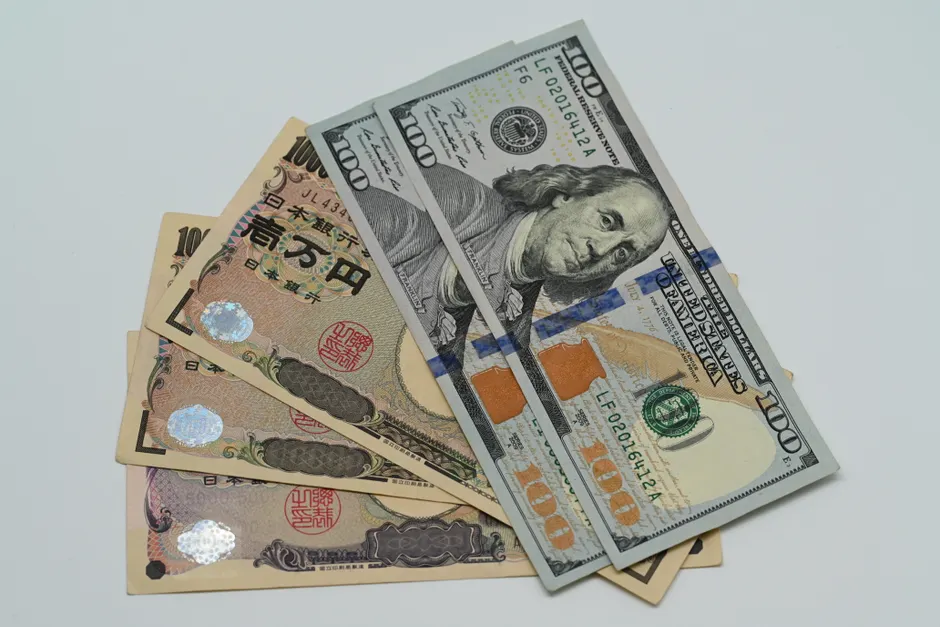
Asian FX Consolidates as Haven Bid Keeps Dollar Firm

Asian currencies consolidated in early October as safe-haven demand for the greenback capped upside, with the WSJ Dollar Index up 0.21% to 97.58. Wall Street Journal That reading, published on Oct. 12, is the authoritative spot for the current sequence.
The framing comes from The Wall Street Journal's Oct. 8 piece titled 'Asian Currencies Consolidate But May Be Weighed by Safe Haven Demand for Greenback'. Wall Street Journal The structure was range-bound trade in Asia FX. The risk was renewed dollar strength on haven flows. Consolidation held, for now.
In majors, Reuters listed the U.S. Dollar/Euro cross at 0.8924 as of Oct. 11, 2026, up 0.02% on the session. Reuters The change was marginal. It fits the broader pattern of a firm but not disorderly dollar.
Earlier haven episodes provide context, not a direct read-across. In March, Reuters reported the dollar index up 0.3% to 100.17 on safe-haven demand. Reuters The same report put the index up 2.57% so far in March and on course for its best monthly showing since July 2025, when it rose 3.4%.
Regional stress markers from May show where Asia FX sensitivity had already been exposed. Reuters reported the Indonesian rupiah at 17,700 per U.S. dollar, the Indian rupee on the verge of 97 per U.S. dollar, and the Philippine peso at nearly 62 per U.S. dollar. Reuters Those prints sit well outside the October consolidation narrative. They matter as reference levels for drawdown, volatility budgeting and hedge ratios.
The broader context here is a familiar one for FX desks. Consolidation after a haven bid often compresses realized volatility while implieds stay elevated. Spot ranges hold. Cross-currency basis and forward points do the adjusting. For portfolios with unhedged dollar liabilities or Asia local-currency exposure, that is when carry looks stable on the screen but tail risk is still priced in options.
Looking at what this means for positioning, the key distinction is between level and velocity. The October WSJ Dollar Index print at 97.58 is materially below the March dollar index print at 100.17, but the two indices are not directly comparable and the dates describe different regimes. What carries over is the driver. Haven demand tightens financial conditions through the dollar channel, widens dispersion within Asia FX between current-account surplus and deficit units, and raises the bar for shorts to press into resistance. Until flows rotate, rallies in regional currencies face fade pressure on dollar upticks.