America at 250: Washington's Semiquincentennial Celebration Survives Heat, Storm, and Midnight Fireworks

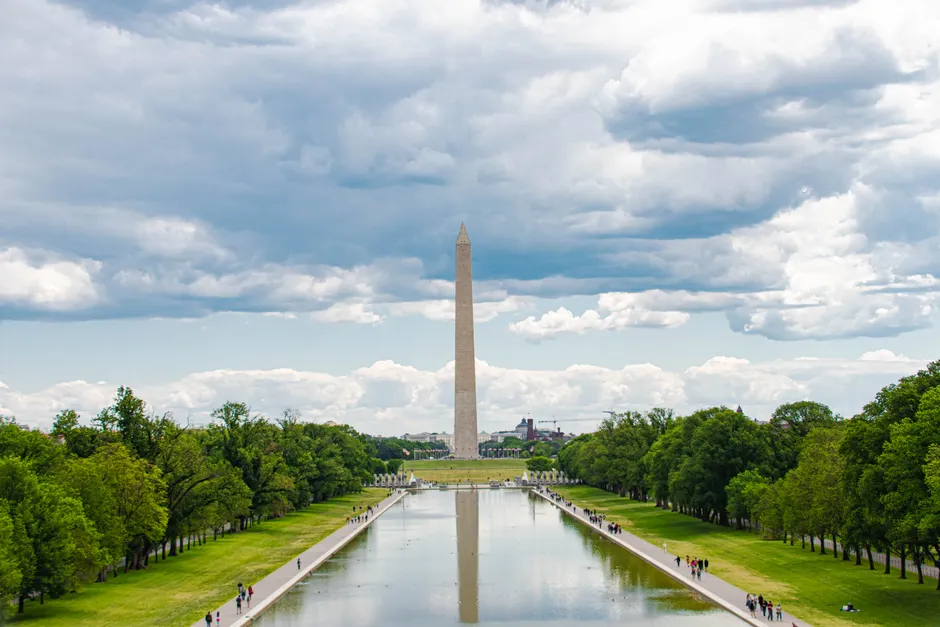
Thousands gathered on the Washington Monument Grounds on July 4, 2026, for the "Salute to America 250" — the centerpiece of what organizers branded "America's Block Party" and billed as the largest synchronized Fourth of July celebration in U.S. history. The event, formally titled the "Salute to America Celebration & Fireworks," featured a military flyover, a concert, and a speech by President Donald Trump, closing with what was reputed to be the largest fireworks display ever staged on American soil. It did not go entirely to plan.
Weather as the Day's Dominant Variable
The holiday weekend arrived under conditions that tested the logistics of every major outdoor event on the Eastern Seaboard. Temperatures in the Washington, D.C., area exceeded 100°F, part of a broader heat emergency that placed millions of Americans under extreme heat warnings across the country. The Independence Day Parade in Washington was cancelled outright due to the heat — a notable omission for a milestone anniversary — while the annual Capitol Concert on the evening of July 3 proceeded only after its gates were delayed from their original opening time. A severe thunderstorm had already disrupted celebrations on July 3, compounding organizers' contingency planning heading into the main event.
On July 4 itself, a second thunderstorm struck in the early evening, forcing an evacuation of the National Mall just hours after doors opened at 5:00 PM ET. According to BBC correspondent Richard Preston, who reported from the site, the storm pushed the entire program back significantly. Fireworks had been scheduled for approximately 10:30 PM ET; per Fox 5 DC's live coverage, they did not begin until close to midnight. The heat and the storm were not separate footnotes — they were the day's governing facts, reshaping the timeline of the entire program.
The concurrent 2026 FIFA World Cup, being hosted across the United States, added a further dimension: the same extreme Eastern heat was threatening players and fans at World Cup venues, illustrating how a single meteorological event can stress multiple large-scale international operations simultaneously.
The Event Itself
The Salute to America 250 Aerial Program incorporated both military and civilian aviation as part of the 2026 Air Dot Show Tour, a nine-destination circuit of which the Washington event was the marquee stop. The free, six-hour event was staged on the Washington Monument Grounds — what the National Park Service formally designates the nation's premier Independence Day venue. Free admission brought in the crowds; security was the counterweight. The Associated Press had flagged weeks earlier that the convergence of a milestone anniversary, a presidential address, and mass attendance constituted an "extraordinary security challenge," prompting a significant ramp-up in protective measures.
Despite the weather disruptions, the core program — flyover, concert, presidential remarks, fireworks — was delivered in full, albeit hours behind schedule. The fireworks display, executed close to midnight, was reported as the largest in U.S. history, a claim consistent with the scale of preparation publicly documented by America250, the federal commission overseeing the semiquincentennial. A live stream was made available for those unable to attend in person, and a separate "LA Benefit Show" ran as a parallel event with ticketed access.
Scale and Context
What makes July 4, 2026, structurally different from prior milestone anniversaries is the deliberate layering of federal coordination across geography. America's Block Party was not a single event but a synchronized national program, with celebrations disrupted by heat and storms at multiple sites — not just Washington. The NBC News reporting on heat-driven cancellations and delays across America 250 events nationwide confirms that Washington's weather problems were replicated elsewhere, making the weather a national story embedded within the anniversary story.
Adams National Historical Park, meanwhile, ran an "Independence 250" special event spanning June 26 through July 5, grounding the anniversary in its Founding-era historical sites — a quieter complement to the spectacle on the Mall.
The anniversary itself — 250 years since the Declaration of Independence was adopted on July 4, 1776 — is a once-in-a-generation civic moment. The next comparable milestone, the tricentennial, falls in 2076. Whether the Washington celebration's weather-battered, midnight-fireworks version of the semiquincentennial is remembered as triumphant or chaotic will depend largely on which images endure. AP photographer Pablo Martinez Monsivais was on the ground to document both, capturing the storms and heat in a published photo gallery that provides the visual record alongside the reported facts.