US Heatwave Kills Dozens as 140 Million Remain Under Heat Alerts
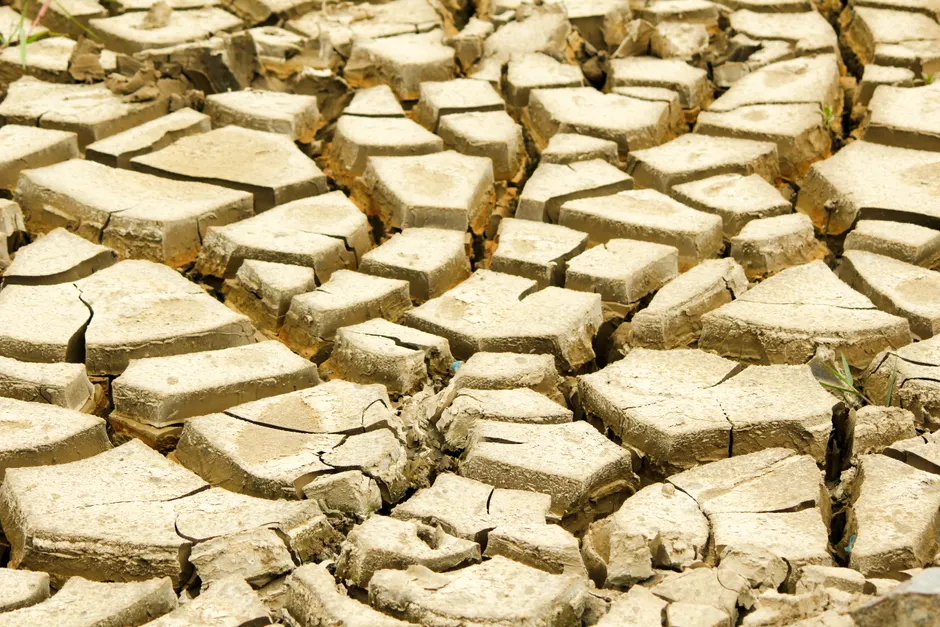
At least two dozen people have died across the United States during an intense heatwave that left more than 140 million people under active heat alerts as of Sunday, July 5, 2026, according to The Guardian. Temperatures exceeded 100°F (38°C) in more than 20 states, with a heat dome — a high-pressure system that traps and amplifies surface heat — locking much of the country into multi-day extreme conditions through the Independence Day weekend.
The Death Toll, State by State
New Jersey reported the most concentrated casualties. State officials attributed 22 deaths across 10 counties to extreme heat, with the first fatality recorded on Thursday, July 2. Victims ranged in age from their mid-30s to their 80s. Many were found in homes without air conditioning; others were discovered outside, on streets, or in parked vehicles. The New Jersey Department of Public Health called the event atypical, stating: "This is not a typical summer heatwave. This type of heat can quickly become life-threatening to humans and to animals of all ages." The state's preliminary findings designate the deaths as heat-related; the chief state medical examiner will determine final causes of death.
In Cook County, Illinois, one heat-related fatality was confirmed. Government spokesperson Natalia Derevyanny told NBC News the cause was organic cardiovascular disease, with heat stress as a contributing factor — a classification that underscores how heat-related mortality is frequently recorded under underlying conditions rather than as a direct cause, complicating aggregate counts.
Mississippi logged at least two deaths. In Hinds County, 74-year-old Mitchell Ray Cooley died on July 2 from weather-related heat exposure; his body was found behind a gas station after he had been reported missing. The county coroner noted Cooley suffered from a medical condition that impaired his judgment, and found no indication of foul play. Separately, 83-year-old Martha Irene Van Egmond died in Bolton, Mississippi on June 27 after falling in her garden and being unable to get up for several hours in the heat — a death that predates the peak of the current event but falls within the same extended heat pattern.
Warnings, Thresholds, and What Comes Next
The National Weather Service issued an Extreme Heat Warning for Philadelphia County, Pennsylvania, in effect until 8 PM EDT Saturday. NWS criteria for an Excessive Heat Warning require daytime Heat Index values at or above 113°F — a threshold that accounts for the compounding effect of humidity on perceived temperature. The NWS Pennsylvania warning specifically cited multiple days of near-record temperatures as an exacerbating factor. The NWS office covering Central Illinois had an Excessive Heat Warning in effect through the holiday weekend as well.
Reuters reported on July 4 that tens of millions of Americans were already facing heat warnings as the holiday began, with large portions of the country trapped under the heat dome. The NWS has since indicated that cool air moving in from the north is expected to ease the most extreme temperatures in the coming days, including in New Jersey.
Context and Compounding Factors
The geography of the hardest-hit deaths is instructive. The victims who died in homes without air conditioning, in parked cars, or outdoors reflect a well-documented pattern in urban and semi-rural heat mortality: vulnerability concentrates where cooling infrastructure is absent or inaccessible. The New Jersey figures — 22 deaths across 10 counties within roughly three days — are a sharp number for a state in the Mid-Atlantic, which does not have the historical heat-adaptation profile of, say, Phoenix or Houston.
One additional pressure point: the FIFA World Cup final is scheduled for July 19 at MetLife Stadium in East Rutherford, New Jersey. With tens of thousands of spectators expected and the region still recovering from this heat event, event organizers and public health officials will be monitoring whether residual heat stress, infrastructure strain, or crowd conditions warrant additional precautionary measures. The NWS forecast of moderating temperatures offers some lead time, but the two-week window is narrow.
The death toll figure of "at least about two dozen" will almost certainly rise as medical examiners complete their reviews. Heat mortality is systematically undercounted in real time — the excess-mortality methodology that public health agencies use to calculate final figures typically takes weeks to months to produce verified totals. What is already established is that this event crossed the threshold from headline weather into a mass-casualty public health incident.