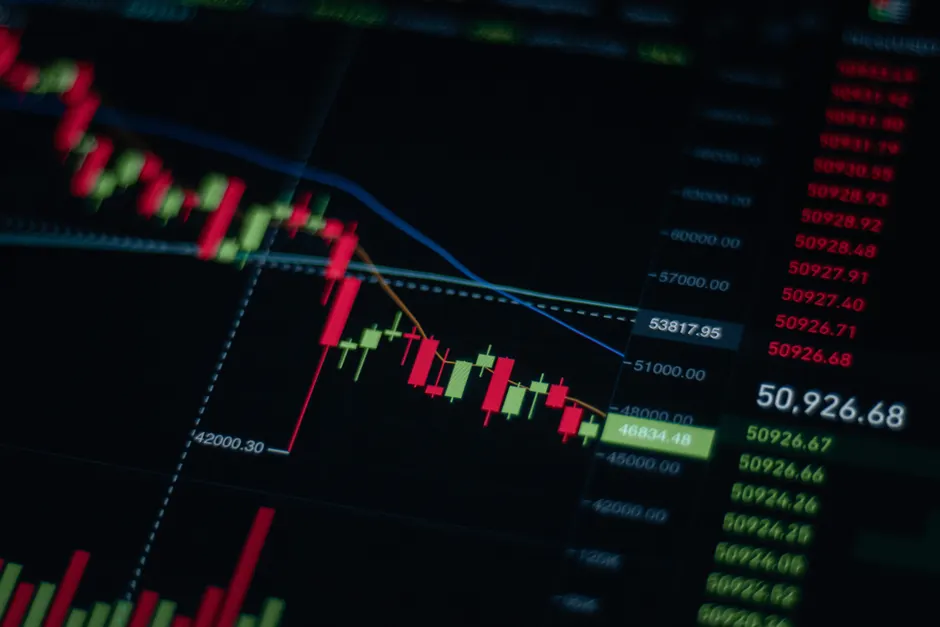
South Korea Launches 24-Hour Dollar-Won Trading as MSCI Upgrade Push Goes Live
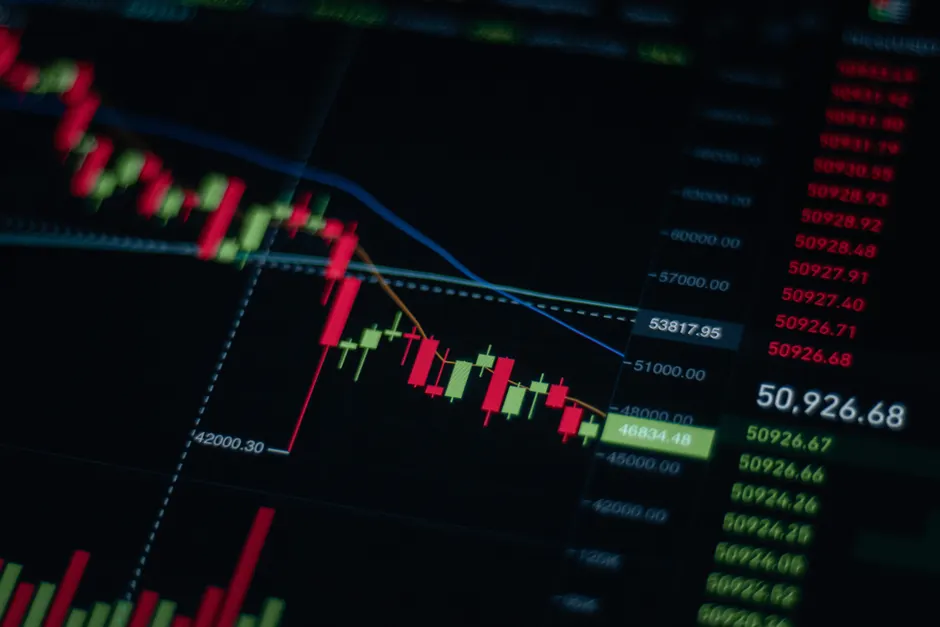
South Korea's onshore dollar-won spot market went to round-the-clock trading on July 6, 2026, ending a post-crisis regime of restricted FX hours that had been in place since the aftermath of the 1997 Asian financial crisis.
The official launch followed a trial period that began June 29, giving dealers and the authorities a week to stress-test the infrastructure before full activation. Seoul's Ministry of Economy and Finance had flagged extended operating hours as the top line item at its Macroeconomic and Financial Stability meeting in October 2025, and confirmed the July 6 date — alongside plans to develop offshore won settlement infrastructure — in a March 2026 press release. The policy rationale is straightforward: MSCI's criteria for an Emerging Market upgrade to Developed Market status include accessible, liquid currency markets, and South Korea has been in review for that reclassification for years.
The won held steady on its first day of expanded trading, according to Bloomberg — an orderly open that the authorities will have noted with relief. The Ministry of Economy and Finance set up a restricted-access monitoring room where officials track won price movements and trading volumes in real time, a visible sign that Seoul is not simply liberalising and stepping back.
That caution is well-founded. The won dropped to a 17-year low and was Asia's worst-performing currency in the first half of 2026, per Bloomberg. Launching extended hours into a depreciation episode raises the spectre of offshore momentum traders amplifying moves that domestic market hours previously contained. Under the old structure, the onshore market closed in the late afternoon Seoul time, which left overnight price discovery to the NDF market — a dollar-settled instrument that reflected offshore sentiment without feeding directly back into onshore liquidity. Round-the-clock spot trading collapses that bifurcation. The NDF basis, historically a useful signal of the spread between onshore and offshore won pricing, will likely compress as a result.
Dealers have not been uniformly enthusiastic. Reuters reported in late June that South Korean FX dealers raised concerns about operational risk, staffing costs, and thinner liquidity during off-peak hours — standard objections for any market extending its session, but sharper here given the won's recent trajectory. Thin overnight sessions can be gapped through quickly; a single large order at 3 a.m. Seoul time carries more price impact than the same order in the middle of the London or New York session.
The September 2026 planned relaxation of offshore FX transaction rules adds another variable. Bloomberg reported in January that Seoul intends to ease restrictions on offshore dollar-won transactions alongside the trading hour extension. Together, the two measures substantially deepen the pool of eligible participants — foreign asset managers, global banks, and eventually retail platforms — who can run won exposure without routing through the NDF. The structural implication is a larger, more diverse order book, which in normal conditions improves price discovery and narrows bid-ask spreads. In a disorderly market, however, a broader participant base can also transmit shocks faster.
The MSCI dimension is the medium-term prize. South Korea has long sat in an anomalous position: an economy with deep capital markets, major listed corporates, and sophisticated institutional infrastructure, yet classified as Emerging rather than Developed by MSCI — largely on currency accessibility grounds. The MSCI Developed Market index commands a meaningfully different passive investment universe than EM. A reclassification would trigger mechanistic inflows from DM-tracking funds and outflows from EM trackers, a net effect that depends on index weights and the timing of any transition period. MSCI has not yet confirmed an upgrade, and that decision remains independent of Seoul's policy calendar.
What Seoul has done is remove one of the standard objections. Whether MSCI moves — and when — is a separate question. What is observable now is a structural change to how the won trades, executed on schedule, into a difficult currency environment, with the government watching in real time from a locked monitoring room.