Starmer and Cooper intervened over England's World Cup kick-off as FIFA's five-hour standoff ended in a one-hour delay

Sir Keir Starmer instructed officials to argue against FIFA moving England's round-of-16 World Cup match against Mexico, as the Football Association and its Mexican counterpart jointly objected to a proposed six-hour advance in kick-off time with less than 48 hours' notice, according to the BBC.
Foreign Secretary Yvette Cooper went further, speaking directly to the British Ambassador to Mexico to request that diplomatic staff make formal representations against the change. The Football Association backed that position, aligning with the Mexican FA in opposing what their counterparts in Mexico City called a "kick in the gut" — the words of Mexican manager Javier Aguirre.
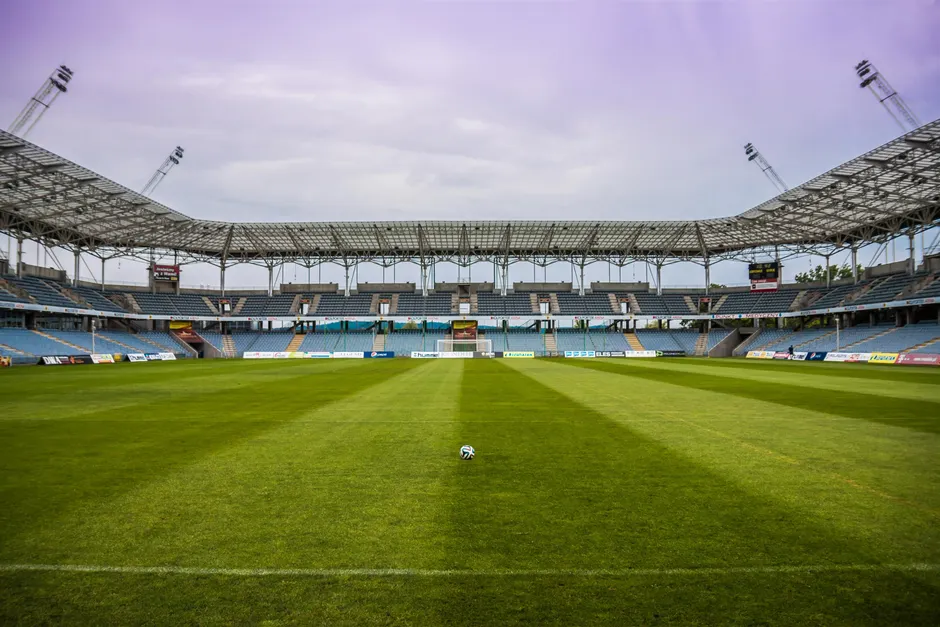
FIFA's proposal had been driven by weather forecasts warning of lightning and severe flooding around the Azteca Stadium, which holds more than 87,000 spectators. Reports of the possible change emerged around 7pm UK time on Friday 3 July, according to Sky Sports, setting off more than five hours of uncertainty before FIFA confirmed the original scheduling would stand.
The match had been set for a 1am BST kick-off on Monday 6 July — a time that had already triggered a separate government intervention domestically. Ministers had announced that licensed premises across England and Wales could stay open until 5am for the occasion, an extension under the Licensing Act 2003 that requires a statutory instrument and is typically reserved for occasions of exceptional national significance.
In the end, FIFA held the scheduled slot but delayed kick-off by one hour because of the weather — meaning the game started at 2am BST, the time recorded on the FA's official fixtures and results page. England won 3-2.
The diplomatic dimension
The degree of government involvement will invite scrutiny. Prime ministerial instructions to argue a position before an international sporting body, combined with the Foreign Secretary activating the diplomatic network over a football fixture, is not the routine work of either office. Whether that represents appropriate advocacy on behalf of some 3,000 travelling England supporters — whose travel arrangements, hotels, and pre-booked plans were at risk of being upended by a six-hour shift — or an overreach into the governance of sport will likely be debated in the coming days.
The position of both football associations, however, was clear and consistent with standard governance expectations: a change of this magnitude, imposed with less than 48 hours to go, would have been operationally and commercially disruptive on a scale that warranted formal objection through every available channel. FIFA's eventual decision to maintain the schedule, with only a one-hour weather delay rather than a six-hour reschedule, suggests the combined weight of objections — sporting and diplomatic — was not without effect, though FIFA has not said so explicitly.
The security context added another layer of complexity. Riot police had been deployed to the England team hotel in Mexico ahead of the match, ITV News reported, reflecting the particular sensitivities around a fixture between the two nations on Mexican soil.
The broader procedural question — who has ultimate authority over kick-off times when weather, fan logistics, broadcaster schedules, and host-nation interests collide — remains unresolved. FIFA retains that authority under its own statutes. What Monday's episode illustrated is how quickly that authority becomes contested when the stakes are high enough for a sovereign government to reach for its ambassador.