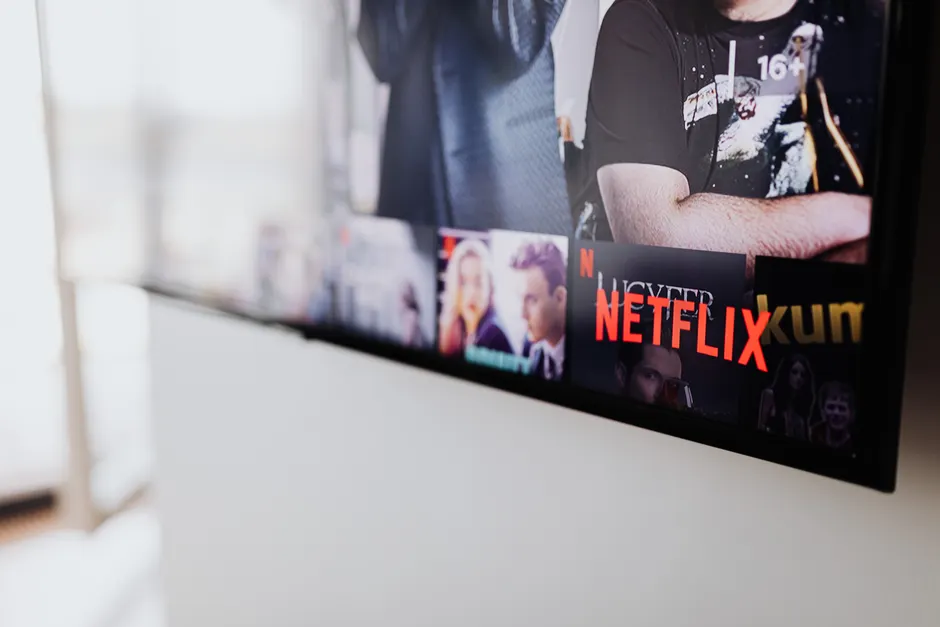
Netflix's Own Data Suggests Binge-Watching Is Losing Its Grip on Viewers

A Bloomberg newsletter published July 5, 2026 cites Netflix data indicating viewers are increasingly dropping popular shows before reaching their second season, according to a TechCrunch report published July 6 TechCrunch. The finding lands more than thirteen years after Netflix released the entirety of "House of Cards" at once in February 2013, a distribution decision credited with establishing the binge-release model that came to define the platform TechCrunch.
The season-two drop-off pattern arrives alongside a broader shift in where and how audiences spend viewing time. Nielsen announced in June 2025 that streaming had for the first time eclipsed combined broadcast and cable viewing in the U.S. TechCrunch. That milestone did not automatically redound to Netflix's benefit relative to its streaming peers. Digital i reported that YouTube surpassed Netflix in average daily viewing for the first time in 2025, logging 99.1 minutes per day against Netflix's 93.4 minutes TechCrunch. eMarketer's 2024 figures had already shown U.S. adults spending 62.1 minutes daily on Netflix versus 58.4 minutes on TikTok, a narrower gap than Netflix executives would presumably prefer TechCrunch. Globally, the Financial Times found TikTok users averaging 95 minutes daily in 2024, the highest engagement rate among major social networks TechCrunch.
What the numbers actually show
None of this points to Netflix in decline. The company's own "What We Watched" engagement report, covering more than 18,000 titles and representing 99% of all platform viewing, tallied nearly 100 billion hours watched Netflix. More recently, Netflix reported a record engagement metric in the first quarter of 2026 Zacks. One Piece Season 2, the live-action adaptation, released March 10, 2026, part of a content slate The Globe and Mail described as a driver of stock upside heading into the year The Globe and Mail.
Nielsen's newly launched 2026 Upfront Planning Series adds another data point to the picture: streaming now accounts for 66.7% of viewing time among adults, the first time Nielsen has broken out FAST (free ad-supported streaming TV) and AVOD (advertising-based video on demand) categories in this way Nielsen. That figure describes a viewing-time category dominated by streaming broadly, not a Netflix-specific measure, and it sits alongside — rather than resolves — the season-two abandonment pattern Bloomberg surfaced.
Taken together, the apparent tension is between aggregate engagement, which Netflix's Q1 2026 figures and total-hours metrics suggest remains strong, and retention within specific serialized properties, which the Bloomberg data suggests is softening past a first season. Those are different measurements. A platform can post record total engagement while individual show franchises lose viewers between installments, particularly if the catalog has grown large enough that audience attention simply redistributes across more titles rather than concentrating on renewals.
The competitive context matters here. Netflix built its subscriber base on a value proposition distinct from TikTok's short-form, algorithmically-fed feed or YouTube's open, creator-driven catalog. Season-two attrition on a premium serialized title is a different phenomenon from the minute-by-minute engagement battle Netflix is now fighting against platforms optimized for continuous, low-commitment consumption. Whether Netflix's second-season drop-off reflects a genuine erosion of the binge model's appeal, a shift toward one-and-done miniseries formats, or simply the mathematics of a catalog too large for any one show to hold disproportionate attention is not something the currently available data resolves.
In this author's view, the more interesting story here is not whether Netflix is losing ground — the Q1 2026 record engagement figure argues against that — but whether the industry's dominant content strategy of the last decade, greenlighting multi-season commitments on the strength of a strong first-season debut, still makes financial sense when a meaningful share of viewers do not return for season two. Streaming executives spent years optimizing for bingeability. If retention data increasingly rewards self-contained storytelling instead, commissioning strategy across the industry, not just at Netflix, may need to adjust. That would be a genuine strategic pivot, distinct from any question of whether streaming itself continues to grow at cable and broadcast's expense, which the Nielsen and eMarketer figures suggest it plainly does.
What is not in dispute is the direction of the broader migration. Streaming has crossed 50% of total viewing time and continues climbing, per Nielsen's tracking Nielsen. The competition within that expanding pie, among Netflix, YouTube, TikTok and the FAST/AVOD tier, is now the more consequential fight, and one where minutes-per-day and season-over-season retention are becoming the metrics that matter most to advertisers and content budgets alike.