Oil Spikes 3% on New Iran Strikes as Fed Minutes Land Mid-Cycle

Oil jumped nearly 3% in early Wednesday trading on July 8, 2026, after fresh U.S. military strikes on Iranian targets, according to Times of India. The move renews a pattern that has defined crude markets for most of this year: a conflict premium that inflates, deflates, and reinflates on the rhythm of strikes and ceasefires between Washington, Jerusalem, and Tehran.
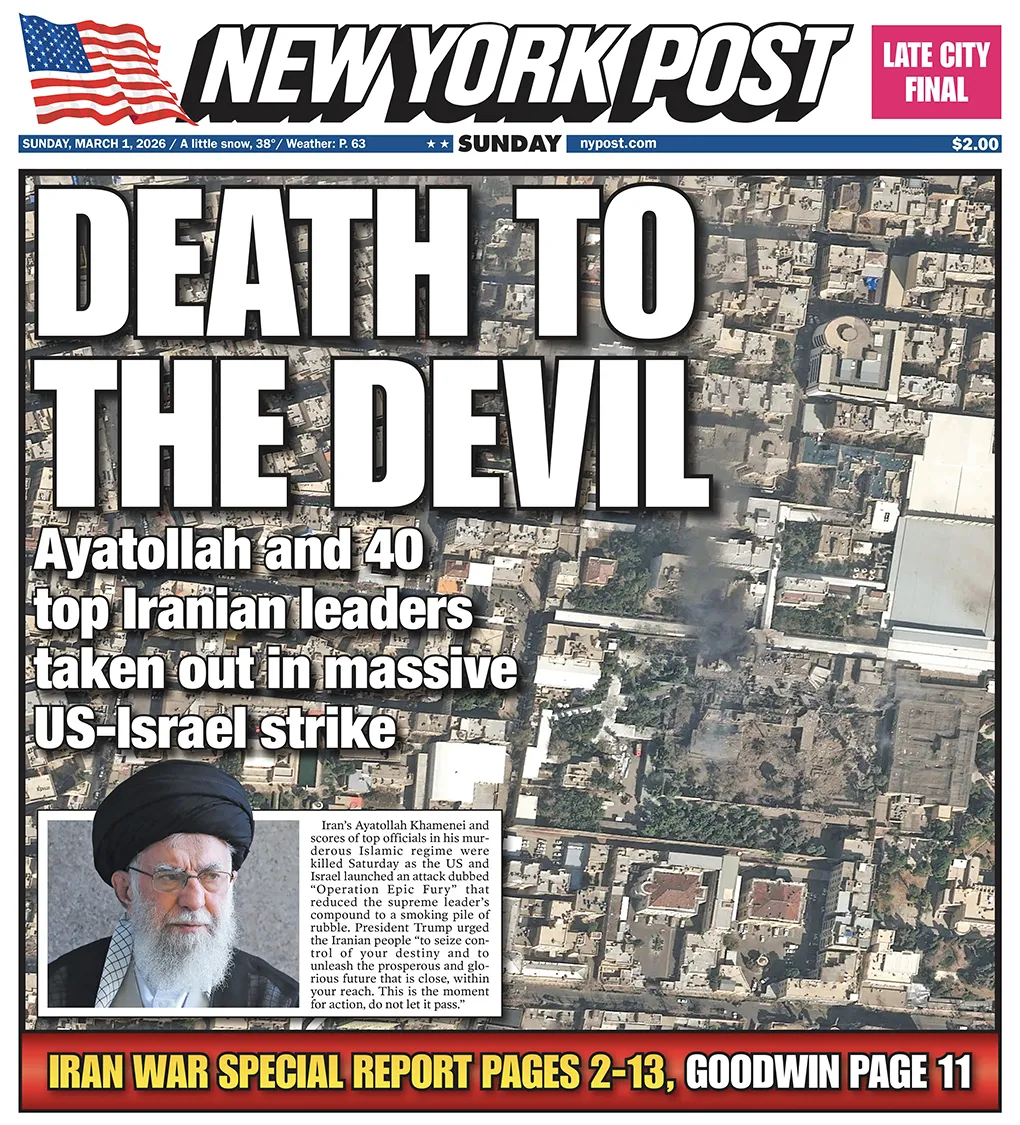
The timeline is worth laying out because the whipsaw itself is the story for anyone pricing energy risk. U.S. and Israeli strikes on Iran first sent oil surging in early March, when WSJ reported a widening conflict following the initial attacks. By June 8, after Iran and Israel traded overnight fire, Brent futures opened sharply higher and touched $98 a barrel, per WSJ. That $98 print now functions as the cycle's reference high for anyone marking geopolitical risk premium in crude.
The de-escalation that followed was just as sharp. By the week of June 26, U.S. crude had fallen 8.7%, or $6.62 a barrel, closing below $70 for the first time since late February — before the U.S. strikes on Iran began, WSJ noted. In under three weeks, the market round-tripped from a $98 spike back to pre-conflict levels, a compression that would have punished anyone holding directional length through the reversal without hedges in place.
Wednesday's strikes and the accompanying 3% pop reset that decline, though the magnitude is nowhere near the June 8 peak. Britannica's rolling account of the 2026 Iran war frames the conflict as an ongoing, multi-phase engagement rather than a single event, consistent with the choppy price action. For traders, the practical read is that each escalation has so far been met with de-escalation inside weeks, compressing the half-life of the risk premium and punishing both persistent long and short crude positioning.
Equity markets have registered the conflict unevenly, and the divergence between oil-price volatility and equity-index response is itself notable. On June 2, stocks closed slightly higher even as "AI fervor contended with Mideast tensions," per WSJ's daily wrap — a sign that the AI-driven bid in mega-cap tech was, for a time, strong enough to absorb geopolitical headline risk. That offset faded by July 1, when major indexes slipped as tech weakness canceled out gains in financials and consumer discretionary, according to WSJ. By July 8, the US500 closed at 7,499, down a modest 0.07% from the prior session, per Trading Economics — a print that suggests equities are, for now, shrugging off the latest strikes rather than repricing them.
That equity resilience against a 3% crude spike deserves some scrutiny rather than acceptance at face value. It may reflect genuine conviction that the conflict remains contained to strikes-and-response rather than a broader regional war with supply-chain implications for shipping lanes like the Strait of Hormuz. It could equally reflect an index-level offset — mega-cap tech and AI-linked names carrying enough weight to mask sector-level stress elsewhere, much as occurred on June 2. Sector dispersion beneath the index-level number matters more than the headline print here.
The other event on today's calendar carries its own weight for rates markets. The Federal Reserve is scheduled to release the minutes from its June 16-17 FOMC meeting at 2:00 p.m. ET on July 8, per the Federal Reserve's official calendar. Those minutes land squarely inside the window between the $98 Brent peak and the subsequent slide below $70, meaning the committee's discussion of inflation risk was likely shaped by an energy backdrop that has since shifted meaningfully. Anyone parsing the minutes for the FOMC's reaction function on energy-driven headline inflation should weight the committee's stated concerns against the fact that oil has moved by roughly 30 dollars a barrel in either direction since the meeting took place.
The read-through for rates traders is that the minutes may already look dated relative to the current oil print, even before this morning's strikes are factored in. A committee weighing pass-through from a $98 Brent to headline CPI in mid-June was operating in a different energy regime than the one prevailing now, with crude still well below that peak despite the latest spike. That gap between the minutes' vintage and the market's present state is the detail worth flagging for anyone using the release to calibrate near-term policy expectations.