NHTSA Tells Robotaxi Developers: Fix First-Responder Interference by End of July
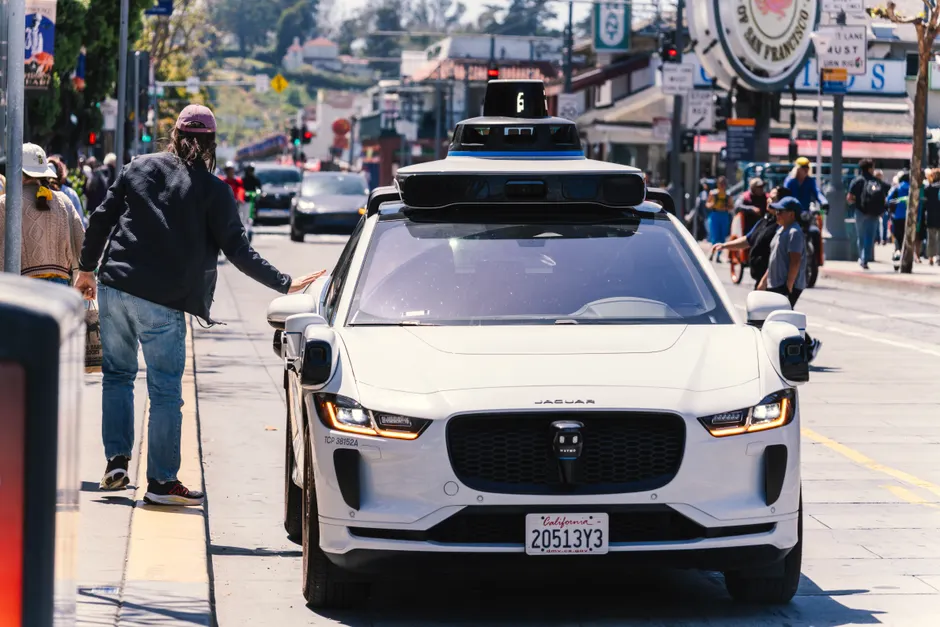
NHTSA Administrator Jonathan Morrison issued a directive on July 8, 2026, ordering autonomous vehicle developers to present concrete fixes for driverless cars interfering with police, fire, and EMS operations by the end of the month. The letter states the agency has "identified a clear pattern of driverless AVs interfering with law enforcement and other first responders," citing vehicles driving into active emergency scenes, blocking ambulances and firefighters, and failing to recognize flashing lights, flares, smoke, fire, and traffic cones TechCrunch.
Morrison's language is unusually blunt for a regulatory notice. "The inability to detect and appropriately respond to such situations represents a functional insufficiency," the letter reads, adding that "emergency scenes are not rare or extreme edge cases" TechCrunch. The Verge's reporting on the same document quotes NHTSA describing the interference pattern as "a danger to the general public" The Verge. The Detroit News independently confirmed the substance of the directive, reporting that the agency told manufacturers they must act quickly to resolve the problem Detroit News.
Notably, the letter does not name any specific AV company, and it stops short of spelling out penalties for developers who fail to comply. It does, however, draw an explicit comparison to human motorists, noting that drivers who impede law enforcement "are subject to fines and even jail time" — a framing that leaves open how NHTSA might eventually treat noncompliant automated driving systems under existing enforcement authority TechCrunch.
A documented pattern, not a hypothetical
The directive follows a string of on-the-ground incidents that predate the letter by months. A TechCrunch investigation published in March found at least six cases through that point in which first responders had to physically take control of Waymo vehicles and reposition them out of traffic during active emergencies, including one instance where an officer needed to move a vehicle while responding to a mass shooting TechCrunch. In June, an officer in Dallas moved a Waymo vehicle to clear a roadway for first responders heading to a natural gas explosion at an apartment building Fox4.
Those incidents illustrate the operational gap Morrison's letter targets: perception stacks trained to recognize static and dynamic road users, but not necessarily the improvised, high-variance signage of an active incident scene — cones set at odd intervals, hand signals from officers, smoke obscuring lane markings, flares placed without standard spacing. None of that is exotic sensor engineering, but it does sit outside the training distribution that most AV perception models have historically prioritized, which has centered on pedestrians, cyclists, and other vehicles under normal traffic conditions.
Regulatory timing and the state-federal patchwork
The federal directive arrives just weeks after California's own regulatory move on the same issue. Starting July 1, 2026, state law requires autonomous vehicles operating in California to have dedicated emergency response capabilities, including the ability to detect first responders and bring the vehicle to a controlled stop California Assembly ATRN. That requirement emerged from a June 8 informational hearing held by the California Assembly on AV regulation more broadly, suggesting state and federal regulators have been converging on the same failure mode independently, through different channels of evidence.
The NHTSA letter lands alongside other regulatory activity that cuts in a deregulatory direction. The agency also announced progress on updating Federal Motor Vehicle Safety Standards, including proposed rules to eliminate requirements for windshield wipers, sun visors, defogging systems, and tire placards — changes aimed at vehicles without human occupants in the driver's seat. NHTSA released its broader 2026 Regulatory Plan and Unified Agenda in the week preceding the July 8 letter TechCrunch.
The juxtaposition is worth flagging on its own terms: NHTSA is simultaneously stripping away hardware mandates built for human drivers while imposing a new behavioral requirement specific to automated ones. That is consistent with a regulatory philosophy that treats the AV as a different class of vehicle rather than a drop-in replacement for a human-driven car, evaluated against a different baseline of what safety equipment and safety behavior actually mean when there's no one behind the wheel to read a police officer's hand signal.
What remains genuinely open is enforcement mechanics. NHTSA has given developers roughly three weeks to show their work, but the agency has not indicated whether it will treat continued interference as grounds for a recall demand, a fine, or something else entirely under its existing authority over automated driving systems. Given the frequency of incidents already logged against at least one major operator, the industry's answers by month's end will likely shape whether this becomes a template for future safety directives or an isolated intervention prompted by a cluster of bad headlines.


