Meta Prototyping 'Super Sensing' Glasses That Record Without the LED Light

Meta is developing prototype smart glasses with a "super sensing" mode capable of continuously recording audio and capturing photos every few seconds, according to the Financial Times The Verge. Under one proposed architecture, the raw audio and video would never be stored or made accessible to the wearer at all. Instead, the footage would be processed on-device or in transit, with only extracted metadata uploaded to Meta's servers for its AI systems to query The Verge.
The detail most likely to draw scrutiny: Meta is planning for the LED recording indicator to stay off while the glasses operate in super sensing mode, per the FT's reporting The Verge. That is a deliberate design choice, not an oversight. In a whitepaper published in July 2025, Meta stated it intends to reserve the LED for "active capture" scenarios — the traditional photo-or-video-on-demand use case — while leaving it dark during general "AI Feature" use, on the stated rationale that constant illumination would desensitize bystanders and wearers alike to what the light is supposed to signal The Verge.
That framing effectively splits recording into two tiers with two different disclosure regimes: one visible, one not. Super sensing, as described, would fall into the latter category, even though it involves the device continuously listening and periodically capturing images of whatever is in front of the wearer.
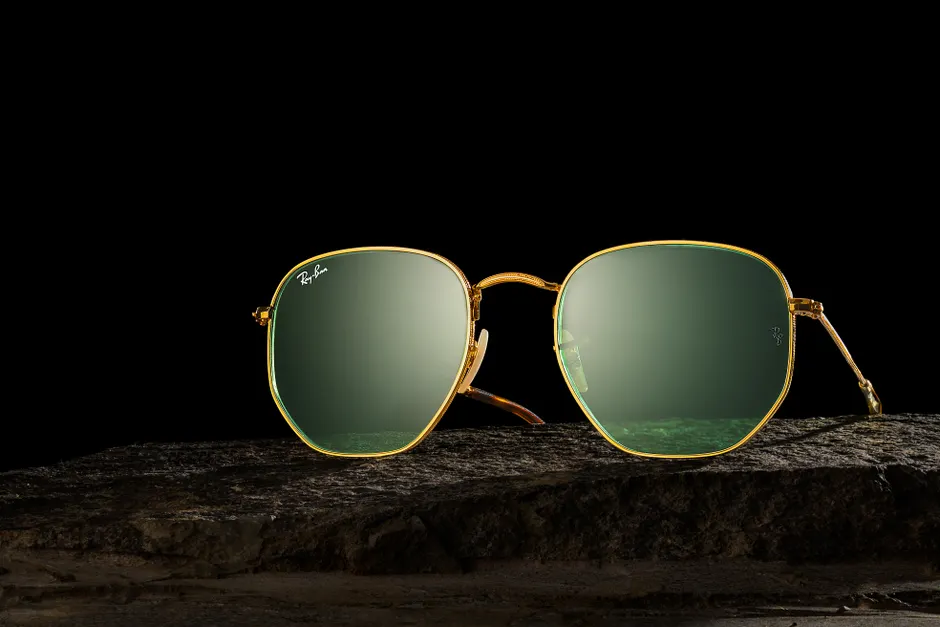
Meta is also weighing whether footage and audio captured through super sensing could be used to train its AI models, the FT reported The Verge. No decision has been made public. Separately, the company is considering extending super sensing capabilities to glasses already on the market rather than restricting the feature to a future hardware generation The Verge. That would make this a software and policy question as much as a hardware one — existing Ray-Ban Meta and related devices could potentially receive the capability via update rather than requiring a new purchase.
Asked for comment, Meta spokesperson Dave Arnold told The Verge: "While we don't comment on internal prototypes, we're committed to getting our glasses right because they need to be loved by both people wearing them and those around them" The Verge. That statement neither confirms nor denies the FT's account of the prototype's specifics.
The reporting follows public comments from CEO Mark Zuckerberg on Meta's Q1 2026 earnings call, where he said he was "really excited to see the glasses evolve" and raised the possibility of always-aware glasses as a product direction The Verge. Zuckerberg did not detail super sensing specifically on that call, but his framing of glasses moving toward persistent environmental awareness lines up with what the FT describes as being tested internally.
Meta has also been tightening the integrity of its existing indicator system. On April 7, 2026, the Tuesday before this reporting, Meta announced it was rolling out an update that disables the camera if the glasses detect the LED has been tampered with The Verge. That update addresses a known failure mode — bystanders and privacy researchers have previously shown the LED can be covered or disabled with off-the-shelf hardware modifications — but it does not address a mode where the LED is designed to stay off by policy rather than by tampering.
The tension in Meta's own documentation is worth sitting with. The July 2025 whitepaper's stated goal was to prevent indicator fatigue, the idea that if the LED is lit constantly, neither the wearer nor people nearby will treat it as meaningful signal. That is a legitimate human-factors concern; constant alert states do get tuned out, a pattern familiar from smoke detector chirps to phone notification badges. But the practical effect of the current plan is that the highest-continuity form of capture — always-on ambient sensing — is the one scenario where the visible cue disappears entirely, while occasional deliberate photo and video capture keeps the light. Bystanders lose signal precisely when the device is doing the most persistent listening and looking.
Storing only metadata rather than raw footage, if implemented as the FT describes, would narrow certain privacy exposures — there would be no video archive of a given afternoon sitting on Meta's servers, only derived data. But metadata extracted from continuous multimodal capture, feeding an AI system that can be queried later, still constitutes a durable record of what a device observed and heard, even without a literal video file attached to it. Whether regulators or app-store platform reviewers treat metadata-only retention as materially different from raw storage is an open question this reporting does not resolve.
Meta has not announced a launch timeline, pricing, or which product line would first carry super sensing. The company's public position remains limited to Arnold's statement, and the underlying reporting rests on the Financial Times' sourcing, which The Verge's account draws from directly.