Trump Seeks Supreme Court Rehearing on Birthright Citizenship, Citing Texas Hospital Billboards

President Trump said on July 8, 2026 that he will ask the Supreme Court to reconsider its ruling affirming birthright citizenship under the 14th Amendment, an unusual move against a decision the Court handed down barely a week earlier The Guardian.
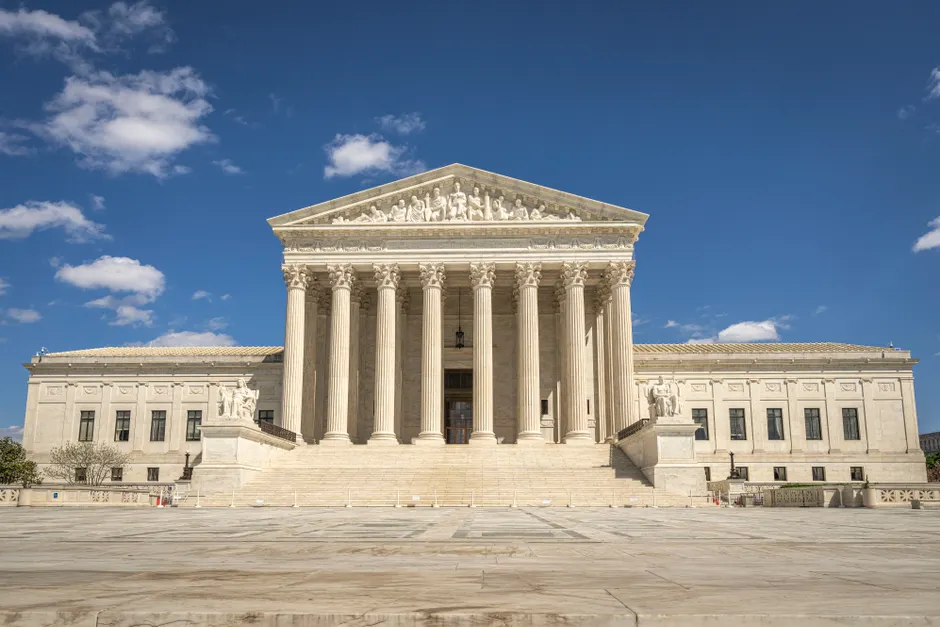
The underlying ruling came on Tuesday, June 30, 2026, when the justices voted 6-3 to strike down the executive order Trump signed in 2025 restricting automatic citizenship for children born on US soil to parents who lack permanent legal status Central Oregon Daily. The Court found the directive incompatible with the 14th Amendment's citizenship clause The Guardian; the full opinion is available from the Supreme Court. Rehearing petitions of this kind are rarely granted, and the Court has not reheard an argued case it had already decided in decades The Guardian.
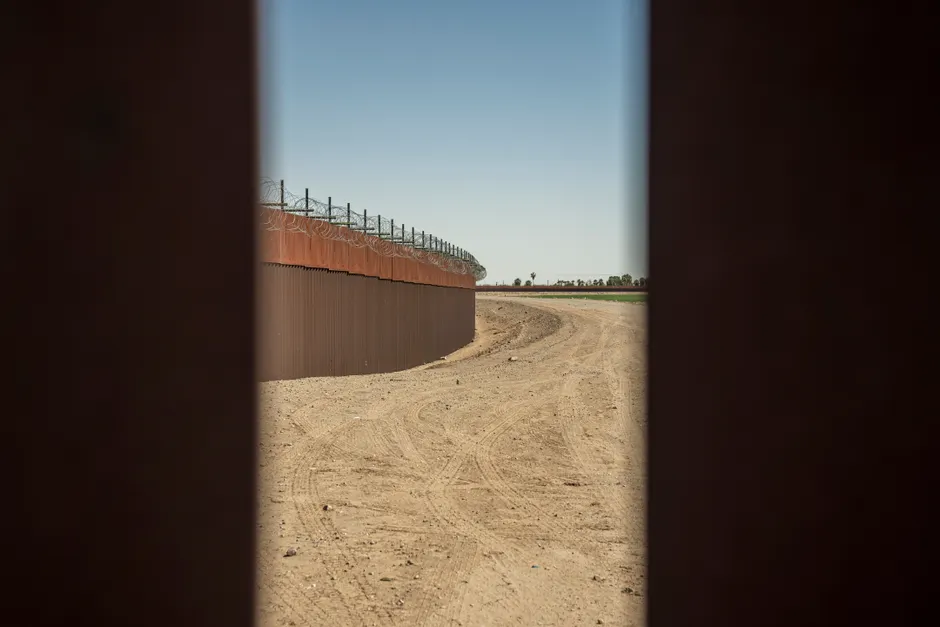
Trump's stated basis for reconsideration is a Fox News report on Mission Regional Medical Center, a public nonprofit hospital in Mission, Texas, roughly five miles from the border crossing into Reynosa, Mexico The Guardian. The hospital had run two Spanish-language billboards inside Mexico advertising delivery packages: $3,950 for a natural birth, $5,525 for a caesarean section The Guardian. On Truth Social, Trump wrote that "Signs and Billboards are being put up all over our Southern Border, and Mexico, advertising BIRTHRIGHT CITIZENSHIP, with Deliveries starting at $4000" Truth Social.
The Fox News segment itself traced back to a single photograph. Mayra Flores, a Trump-backed former Republican congresswoman from Texas who was born in Mexico, posted the billboard image on social media in April 2026 The Guardian. That post circulated for months before becoming the evidentiary anchor for a presidential request to reopen a constitutional ruling. Mission Regional Medical Center has since told The Guardian that the billboards and the associated website, havemybabyinTEXAS.com, are "no longer in use due to any unintended misunderstanding" The Guardian.
The gap between the scale of Trump's claim — billboards "all over" the border advertising citizenship itself — and the underlying record, which points to one hospital's maternity marketing captured in a single photo, is worth sitting with. Medical tourism for US births by foreign nationals is a documented, if narrow, phenomenon along the border and has existed for years independent of any executive order; it is a separate question from whether the 14th Amendment's text permits the president to redefine citizenship by fiat, which is what the Court actually ruled on in June.
Procedurally, the path Trump is describing is steep. Supreme Court Rule 44 allows a petition for rehearing within 25 days of judgment, but the bar is whether the Court "overlooked or misapprehended" a point of fact or law at the time it decided the case — not whether new factual claims have surfaced afterward through an unrelated hospital's advertising practices. Justices who joined the 6-3 majority grounded their reasoning in the constitutional text and precedent going back to United States v. Wong Kim Ark, not in border hospital economics, which makes the billboard episode an awkward fit for a rehearing petition even on its own terms.
The administration's broader strategy has relied on stacking factual predicates — border crossing data, hospital billing patterns, now advertising imagery — around a legal argument that has so far not persuaded a majority of the Court once, in a case already litigated up through the appellate system before reaching the justices in 2026. Asking for rehearing on this record signals either that the White House expects the request to be denied and is building a public argument for further executive or legislative action, or that it genuinely believes new facts about medical tourism marketing bear on the constitutional question, a proposition most election-law and constitutional scholars would dispute.
What happens next is procedural and, most likely, brief. The Court can deny a rehearing petition without comment, and given the near-total absence of precedent for granting one after a decided argued case, denial is the expected outcome. The more consequential fight — over whether Congress could legislate on birthright citizenship, or whether the administration pursues a narrower regulatory approach targeting specific categories of "birth tourism" — is likely to continue independent of whatever the Court does with this petition. The Mission, Texas hospital's billboards, whatever their commercial intent, have already been taken down.