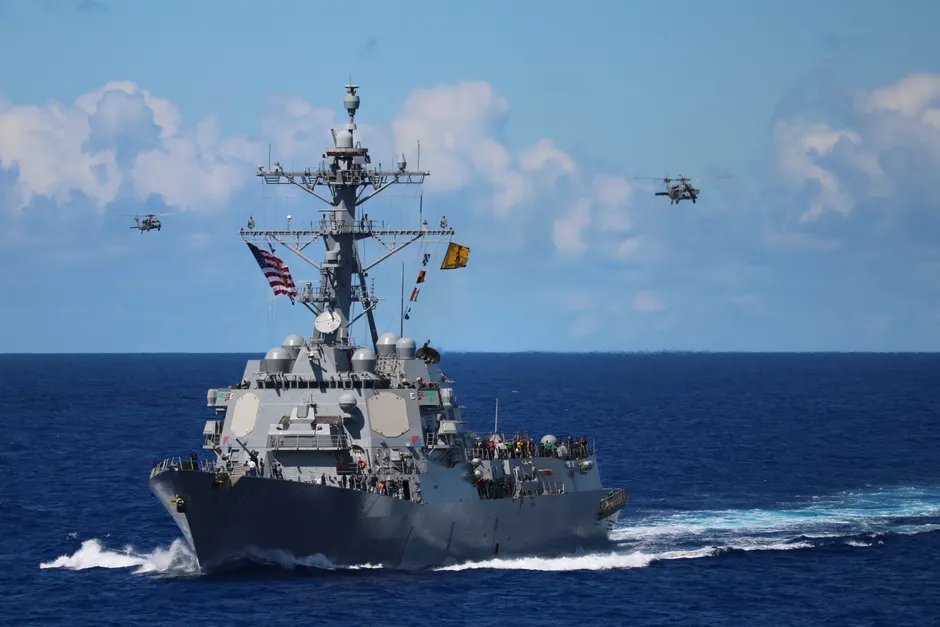
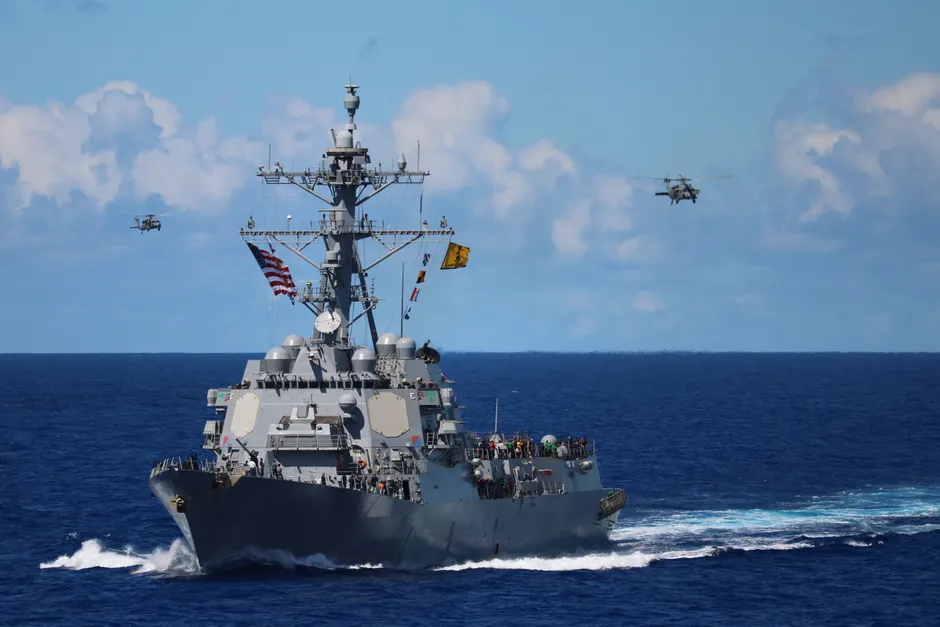
US-Iran Escalation Deepens as Centcom Claims 170 Targets Hit, Trump Declares Nuclear Deal 'Over'

US Central Command said on July 9, 2026 that it struck 170 Iranian targets over the preceding 48 hours, the latest and largest tally in a bombing campaign that has escalated sharply since late June. The Guardian reported the figure alongside Iranian retaliatory strikes against US installations in Bahrain, Kuwait, and Qatar.
Speaking at the NATO summit in Turkey the same day, Donald Trump said he now considers the memorandum of understanding with Iran "over." That memorandum had been framed by the White House, in a June 19 release titled "President Trump's Iran Agreement Is America First in Action," as a diplomatic win securing US interests through negotiated terms. Trump's comment at the summit effectively discards that framework three weeks after it was publicly celebrated.
Centcom's own paper trail shows the campaign building in stages. A July 7 press release, "U.S. Forces Complete New Round of Retaliatory Strikes Against Iran," put the number of targets hit at more than 80 and described the operation using the term "offensive strikes" rather than confining it to retaliation — a notable shift in framing given the release's own title emphasizes the retaliatory label. CENTCOM accompanied that release with a 24-second video. A subsequent release, "U.S. Forces Complete Another Round of Strikes Against Iran," carrying a Tampa, Florida dateline, brought the cumulative figure to 170 targets in the most recent 48-hour window. Notably, Centcom's own homepage displays inconsistent dates for both releases relative to the dates shown on its public-releases listing page — the retaliatory-strikes release appears dated July 7 in one location and the "another round" release July 8 in another, an internal discrepancy that complicates precise sequencing of the campaign from open-source material alone.
Iran's health ministry, through public relations official Hossein Kermanpour, reported 14 people killed and 78 injured in the US strikes, a figure posted on X and cited by the Guardian's live coverage. Iran's military response targeted a Patriot missile battery in Kuwait, an early-warning satellite antenna site in Qatar, and fuel storage facilities at US installations in Bahrain, according to Iran's army. Bahrain hosts the US Navy's 5th Fleet, giving the strikes there particular operational weight beyond their immediate physical damage.
Centcom has framed the bombing campaign's objective as degrading Iran's capacity to threaten commercial shipping and civilian mariners transiting the Strait of Hormuz. That framing sits uneasily against Iran's own position. Mohammad Baqer Qalibaf, Iran's top negotiator, said the Strait would remain under Iranian management and would reopen only on terms Iran itself sets — a direct rebuttal of the premise that US strikes are securing freedom of navigation. Reuters separately reported on July 8 that Washington revoked a license permitting Iran to sell oil, a move that lands concurrently with the strikes and tightens economic pressure alongside military action.
The sequence did not begin in July. An AP report carried by PBS NewsHour, describing events from late June, documented an earlier round in which Iran launched drone and missile attacks on Bahrain and Kuwait and threatened to halt diplomatic talks altogether. That episode establishes that the tit-for-tat dynamic — US strikes, Iranian retaliation against Gulf-based US assets, threats to abandon negotiations — has now repeated across at least two distinct cycles within roughly two weeks.
All of this unfolds as Iran conducts multi-day funeral ceremonies for Ali Khamenei, the country's late supreme leader, whose body was being prepared for burial in his home town of Mashhad. The coincidence of a leadership transition with an intensifying external military campaign adds a layer of domestic uncertainty to Tehran's calculus that is difficult to read from outside.
The gap between Washington's stated rationale — protecting shipping lanes — and Tehran's declared intent to control the Strait regardless of US action points to a fundamental disagreement over what the strikes are meant to achieve and whether they can achieve it. Centcom's messaging treats the campaign as a means of restoring safe passage; Qalibaf's statement treats Iranian control of Hormuz as a fact not up for negotiation, strikes notwithstanding. Reconciling those two positions through further bombing alone looks doubtful on the evidence so far, since each round of strikes has been met with retaliation rather than concession.
The discarding of the memorandum of understanding removes whatever diplomatic scaffolding existed as recently as three weeks ago. Whether Trump's "over" comment forecloses future negotiation entirely, or simply reflects frustration at the pace of an agreement Iran was never fully committed to, is not yet resolved by the public record. What is clear is that both sides are now operating without the framework each had previously pointed to as evidence of progress, and casualty figures on the Iranian side are rising with each cycle.