Neil the Seal Returns to Sea, Ending Tasmania's Latest Wildlife Watch
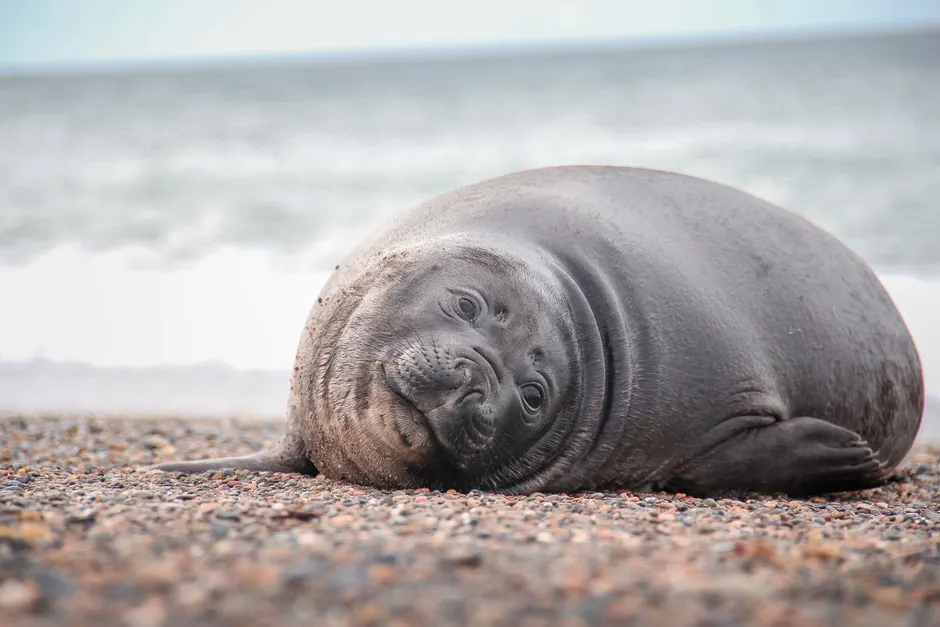
Neil the elephant seal returned to sea on the night of July 8 into July 9, 2026, according to Tasmania's Department of Natural Resources and Environment (NRE), which said the departure was "his natural behaviour and was expected" The Guardian. The five-year-old southern elephant seal has spent stretches of the past several years hauling out on roads, driveways and infrastructure around Tasmania, drawing both public fascination and logistical headaches for wildlife managers.
NRE's marine conservation program said it continues to monitor the situation, though the agency's own account underscores how little real-time visibility it now has into Neil's movements. A satellite tracking device fitted to the animal in 2023 detached during his 2024 moult — the expected mechanism for such tags — and was recovered that year. An NRE spokesperson told the Guardian that Neil has not been tracked since, and that the agency typically only tags animals for a defined purpose, such as a veterinary intervention or a relocation, rather than for ongoing surveillance The Guardian.
The last dataset the department did collect gives some sense of the scale of what Neil does when he's not blocking traffic. During his tracked period, he spent roughly six months at sea, foraging more than 1,600km from south-west Tasmania and covering upwards of 5,000km round trip. The spokesperson characterized this as "normal behaviour for a young male southern elephant seal" The Guardian — a reminder that the animal's Tasmanian appearances are brief pauses in what is otherwise a wide-ranging, largely solitary pelagic existence.
Kris Carlyon, head of wildlife health and marine life at NRE, framed Neil's presence in terms that go beyond the individual animal. Carlyon said Neil is "potentially one of the first southern elephant seal pups to be born back in Tasmania," a nod to a species that was extirpated from the state by sealers in the 1800s and now breeds almost exclusively on the subantarctic Macquarie and Heard Islands, thousands of kilometres to the south The Guardian. If accurate, that lineage detail gives Neil's visits a conservation significance that outstrips the novelty value he's accumulated with the public. Carlyon added: "Regardless of the resource burden and the challenges that Neil throws, we're pleased to see him" — an acknowledgment that managing a multi-tonne wild animal in populated areas carries real costs even when the underlying story is a welcome one for a historically depleted population.
Tasmanian premier Jeremy Rockliff weighed in with the kind of dry public messaging that has become part of the ritual around Neil's appearances. "We'll keep an eye out for him but otherwise the traffic cones and street signs of Tasmania can breathe a small sigh of relief," Rockliff said, thanking residents for how they'd handled the seal's latest stint ashore: "A big well done for everyone that has treated big Neil with respect and caution while he's been on…" The Guardian.
That messaging isn't purely ceremonial. Southern elephant seals are large, unpredictable animals, and wildlife authorities have been explicit that euthanasia remains a last-resort option if public safety around Neil cannot be assured. The standing protocol asks the public to stay at least 20 metres from the animal, keep dogs leashed and at least 50 metres away, and avoid blocking his path to water — guidance aimed less at protecting Neil from people than at preventing a bad encounter that could force authorities into an intervention nobody wants. Anyone who spots him is asked to call the marine mammal hotline rather than approach.
The recurring pattern with Neil — appear, disrupt, depart, repeat — sits at an odd intersection of conservation success and municipal nuisance. A species driven out of Tasmanian waters two centuries ago now has at least one representative treating the state's roads as an occasional layover, and the agency's own admission that it has lost the ability to track him closely means each reappearance is functionally unpredictable rather than data-driven. That ambiguity is likely to persist. Without a standing justification for re-tagging — the kind that would come from a medical or relocation need — NRE's default posture is passive monitoring punctuated by public advisories, which is precisely the arrangement now back in effect until Neil, or another elephant seal like him, next comes ashore.