US Hits Nearly 90 Iranian Targets in Second Night of Strikes as June Truce Unravels

US Strikes Iran for Second Consecutive Night, Hitting Roughly 90 Targets
The United States conducted its second wave of air attacks on Iran in as many nights early Thursday, July 9, 2026, striking approximately 90 military targets across the country, including sites in Tehran. Al Jazeera reports this marks the largest single escalation since Washington and Tehran signed a memorandum of understanding in June 2026. The attack followed a Wednesday barrage that hit several cities in southern Iran.
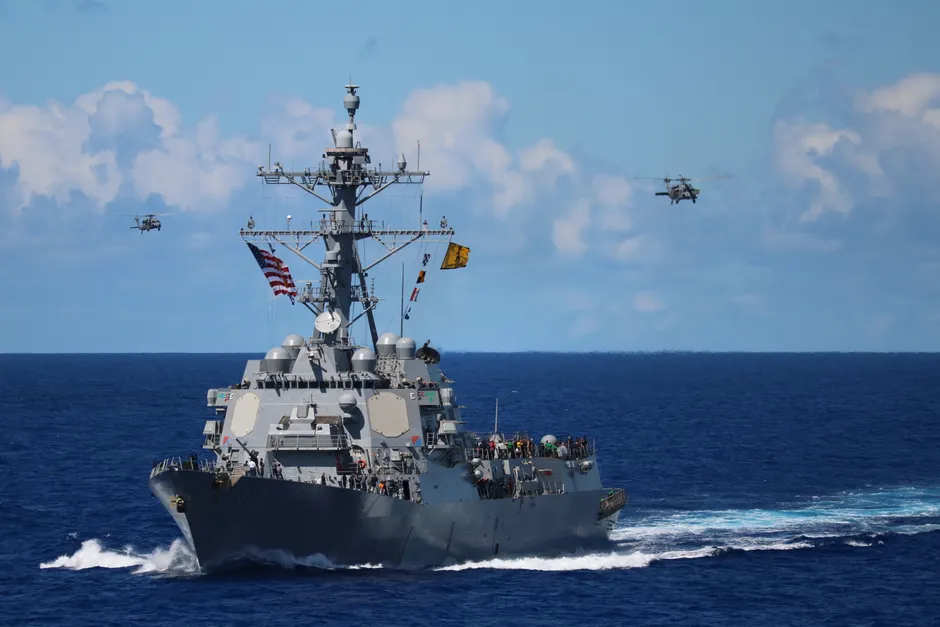
CENTCOM said the Wednesday strikes hit about 80 Iranian military targets, more than 60 of them IRGC small boats, in what it characterized as retaliation for Iranian attacks on three commercial vessels in the Strait of Hormuz — the Marshall Islands-flagged, Qatar-owned M/T Al Rekayyat, the Saudi-flagged M/T Wedyan, and the Liberian-flagged M/T Cyprus Prosperity. CENTCOM titled that release "U.S. Forces Complete New Round of Retaliatory Strikes Against Iran." A follow-up CENTCOM statement on the Thursday strikes described them as "another round" against Iranian targets. CENTCOM
At least 14 people have been killed across the two nights of strikes, including at least one member of the Islamic Revolutionary Guard Corps, according to Al Jazeera. Iran responded by firing on US military assets and infrastructure in neighboring Gulf states. Air raid sirens sounded in Bahrain hours after the second night of US strikes began, per Al Jazeera.
The exchange unfolded as the funeral of Ayatollah Khamenei, the Supreme Leader killed in US-Israeli strikes in February 2026, was underway in Iran. Washington has also revoked the sanctions waiver on Iranian oil exports that formed part of the June MoU, removing one of the agreement's central economic incentives.
Speaking to reporters at the NATO summit in Ankara on Wednesday, President Trump said he considered the MoU "over," though he left open the possibility that peace talks could continue. He said the strikes would not lead to a "long-term" military campaign. Those remarks came before the Thursday escalation to roughly 90 targets, a gap between stated intent and battlefield tempo that will likely draw scrutiny from allies and from Tehran itself as they try to gauge Washington's actual threshold for de-escalation.
The proximate trigger for the current cycle was Iran's attack on the three tankers in the Strait of Hormuz earlier in the week of July 7. Tehran-based analyst Hossein Royvaran told Al Jazeera the vessels may have strayed into waters where Iranian teams were conducting mine-clearing operations, an account that, if accurate, would complicate the narrative of a deliberate offensive strike on neutral shipping. That ambiguity has not been resolved by either government, and CENTCOM's own framing — retaliatory strikes for attacks on commercial vessels — treats the tanker incident as intentional.
Traffic through the Strait of Hormuz has slowed to a near standstill, with vessels largely confined to a northern route Iran has approved. The International Maritime Organization's Secretary-General, Arsenio Dominguez, said roughly 6,000 sailors remain trapped in and around the strait, a figure that speaks to how quickly a corridor carrying a substantial share of global oil trade can seize up once combatants start trading fire near it.
The June MoU had been billed as a mechanism to freeze hostilities after the February strikes that killed Khamenei, exchanging sanctions relief on Iranian oil for restraint on both sides. Its collapse — first through Iran's tanker attacks, then through consecutive nights of American strikes reaching nearly 90 targets, and now through the formal revocation of the oil waiver — leaves in question what framework, if any, either side intends to fall back on.
Trump's Ankara comments suggest Washington wants to preserve some diplomatic opening even while escalating militarily, a posture consistent with past US approaches that pair strikes with an offer to talk. Whether Tehran, mid-funeral for its Supreme Leader and facing continued strikes on its own capital, is positioned to accept that offer is a separate question. The IRGC casualties and the volume of targets struck raise the stakes for Iran's response calculus in the Gulf, where Bahrain's air raid sirens indicate the theater has already widened beyond Iranian territory itself.
The reimposition of oil sanctions removes the clearest economic lever that had underpinned the MoU, and it does so at the same moment military operations have intensified rather than paused. Markets and shippers will be watching whether the northern Hormuz route holds as the only viable passage, and whether the roughly 6,000 stranded sailors cited by the IMO become a fixture of the crisis rather than a temporary bottleneck.