Mexico to File Criminal Complaints in US Over 17 Deaths Tied to ICE Operations

Mexican officials said Thursday they will file criminal complaints in the United States over the deaths of Mexican nationals during immigration enforcement operations, seeking prosecution at both the state and federal level The New York Times. The complaints cover 17 Mexican nationals who died during US immigration custody or operations, according to figures Mexico is presenting to American authorities CNN. Of that total, 14 died in ICE custody and three died during arrest operations Reuters.
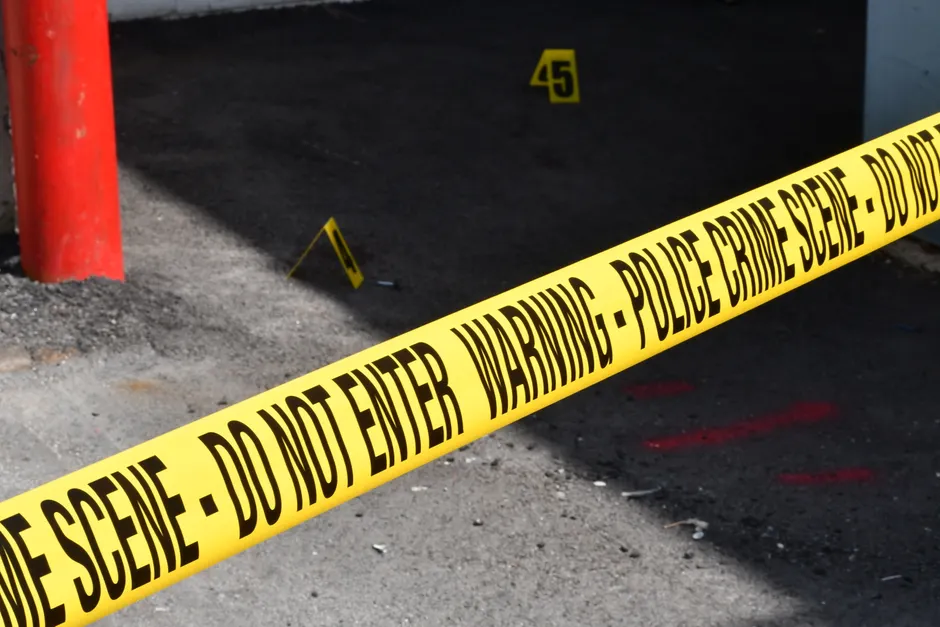
The case drawing the most immediate attention is that of Lorenzo Salgado Araujo, shot and killed by an ICE officer in Houston on Tuesday, July 7. The shooting occurred as officers attempted to stop his vehicle Reuters. A Texas congresswoman has said Salgado Araujo was not the target of the operation that led to his death AP News. Mexico intends to pursue both state and federal prosecutions specifically in connection with his killing Instagram/Facebook via ABC News.
President Claudia Sheinbaum addressed the deaths directly in her July 9 morning press conference, the same day officials confirmed the criminal-complaint strategy Presidencia. In a separate communiqué, the presidency quoted Sheinbaum pledging "Vamos a hacer todo lo que esté en nuestras manos" — "We will do everything within our power" — and stated that the Secretaría de Relaciones Exteriores (SRE), Mexico's foreign ministry, had begun formal actions in response to the deaths of Mexicans in ICE custody and during operations Presidencia. That same communiqué named Salgado Araujo specifically as among the dead.
The political response inside Mexico moved quickly. Senator Juan Carlos Loera, of Sheinbaum's Morena party, condemned Salgado Araujo's death in a statement issued from Ciudad Juárez, Chihuahua, on July 9 Morena Senate. The Morena parliamentary bloc in the Senate issued a corresponding press release the same day, framing the killing as part of a broader pattern of fatal encounters between ICE and Mexican nationals rather than an isolated incident.
On the ground in Texas, the shooting has already produced visible unrest. More than a thousand protesters marched in Houston on Wednesday, July 8, near the site of the shooting, chanting "ICE out of Houston" and demanding an independent investigation into the incident Reuters.
What Mexico is attempting here is legally unusual: seeking to trigger US state and federal criminal jurisdiction over deaths involving American law enforcement officers acting in an official capacity, rather than relying solely on diplomatic protest or bilateral consular channels. Sovereign immunity doctrines and qualified immunity protections for federal agents typically make such prosecutions difficult to sustain, particularly at the federal level, where Department of Justice civil rights review has historically set a high bar for charging on-duty shootings. Mexico's simultaneous push for state-level charges in Texas suggests an awareness that federal avenues may prove narrower, since state prosecutors are not bound by the same DOJ charging thresholds, though Texas law enforcement's own use-of-force statutes present their own hurdles for any prosecution of an officer acting during an attempted stop.
The scale implied by the 17-death figure — spanning both custodial deaths and deaths during arrest operations across an unspecified period — points to a pattern Mexican officials are now treating as systemic rather than incidental. Custodial deaths and operational deaths raise distinct legal questions: the former typically implicate detention conditions, medical care, and facility oversight, while the latter, like the Salgado Araujo case, turn on use-of-force standards in the field. Bundling both categories into a single set of criminal complaints signals a strategic choice by Mexico City to press the issue as a broad accountability campaign rather than litigate each incident on its own narrower facts.
The timing sits awkwardly for both governments. Sheinbaum has generally sought to manage friction with Washington over immigration enforcement without derailing the broader bilateral relationship on trade and security cooperation. A public push for criminal prosecutions of American federal agents tests that balance directly, and it does so amid domestic pressure from Morena legislators and street protests in a major US city with a large Mexican-American population. Whether the complaints translate into actual indictments, or instead function primarily as a diplomatic and political marker, will depend on decisions by Texas state prosecutors and DOJ civil rights attorneys who have not yet publicly signaled their intentions.