ICE-Involved Shooting Kills One in Biddeford, Maine, Marking Tenth Fatal Incident Since Early 2025
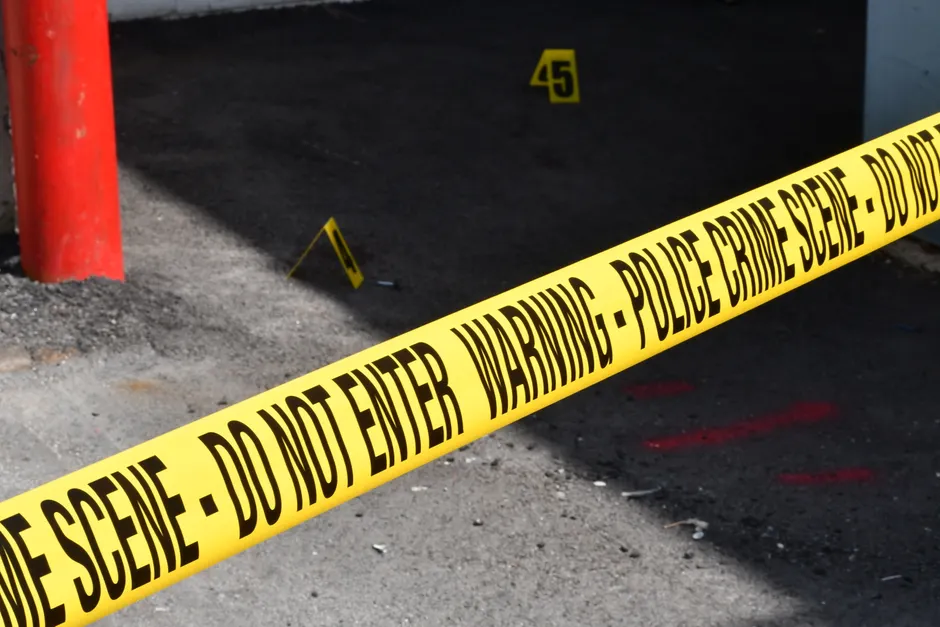
A person was killed Monday in Biddeford, Maine, in a shooting involving agents of US Immigration and Customs Enforcement, according to a Facebook post by Maine House Speaker Ryan Fecteau cited in The Guardian. Fecteau wrote that Maine State Police and the Department of Public Safety were on scene and that the FBI was expected to open an investigation.
Biddeford is a city of just over 21,000 people, roughly 15 miles south of Portland and 90 miles north of Boston. It is not a locale typically associated with federal immigration enforcement activity, which has concentrated in border states and large interior cities since the start of the second Trump administration. ICE and DHS did not respond to requests for comment before the Guardian's report went to publication.
Details beyond Fecteau's account remain limited. No agency has yet confirmed the identity of the person killed, the circumstances that preceded the shooting, or whether the deceased was the subject of an enforcement action or a bystander. The involvement of the FBI, rather than a state or local prosecutor, follows a pattern in recent ICE-involved shootings, where federal jurisdiction over the agents typically triggers a federal review rather than a local one — a distinction that matters for transparency, since DOJ and FBI findings in these cases are rarely made public on the same timeline as state investigations.
The Biddeford death is the tenth fatal shooting by federal immigration officials that the Guardian has identified through a review of public reports since President Trump's second term began in early 2025. That tally includes the January killings of Renee Good and Alex Pretti, both US citizens, in separate incidents in Minneapolis — cases that drew scrutiny precisely because citizenship status did not shield either victim from being caught up in an enforcement encounter that turned lethal.
The count also includes the July 10 shooting of Lorenzo Salgado Araujo in Houston. DHS has said an ICE agent shot Salgado Araujo after he disregarded orders and attempted to ram the agent with a vehicle, and that the agent fired in self-defense, according to reporting from the Broomfield Enterprise. In a video report published by Reuters, Salgado Araujo's son said of his father, "He did not deserve to die." DHS's self-defense framing and the family's account represent competing narratives that have not yet been reconciled by an independent investigative body — a familiar tension in use-of-force cases where the agency doing the shooting is also the first to characterize the shooting publicly.
The broader pattern here is one that state and federal officials continue to read very differently. DHS has generally described these incidents as agents responding to resistance or threats during enforcement operations, while critics, including some state lawmakers like Fecteau, have pointed to the accumulating death toll as evidence of an enforcement posture that has grown more confrontational as arrest quotas and operational tempo have increased under the current administration. Neither framing has been adjudicated in court in most of these cases, and the Guardian's count of ten fatalities relies on public reporting rather than a consolidated federal disclosure, meaning the actual number could be higher if incidents have gone unreported or uncategorized.
What happens next in Biddeford will likely follow the procedural template set by the Minneapolis and Houston cases: an FBI review, a DHS statement asserting the agent acted within policy, and a state-level political response pressing for greater transparency. Maine's state government, under Governor Janet Mills and with Fecteau presiding over the House, has generally taken a more skeptical posture toward federal immigration enforcement than some neighboring states, which raises the possibility that Augusta pushes for information beyond what a federal probe typically yields on its own timeline. Whether that pressure produces a different outcome than in prior cases is an open question, given that federal agencies have controlled the pace and scope of disclosure in each of the nine incidents that preceded this one.


