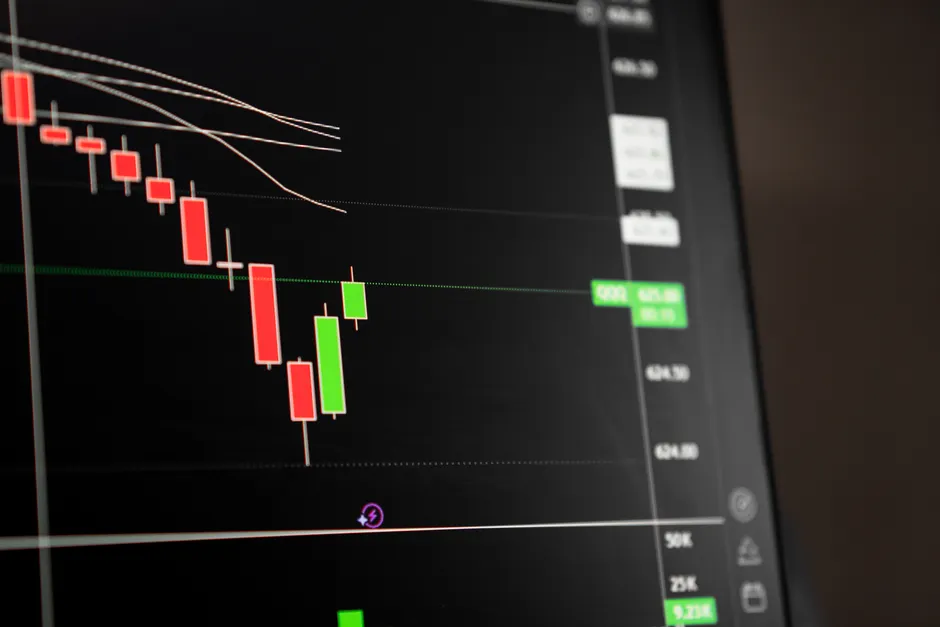
SK Hynix Volatility Persists as AI Euphoria Swings to Fatigue

SK Hynix’s stock volatility shows no sign of abating, with MarketWatch characterizing the price action as a swing from “AI euphoria” to “AI fatigue.” The most recent leg of saw-toothed trading included a 9% up move, underscoring the whipsaw conditions in a name that has become a proxy for AI memory chip demand. The CSOP SK Hynix Daily (2x) Leveraged Product (ticker 07709.HK) was priced at 56.480 during the period covered by MarketWatch’s analysis, amplifying the underlying share price swings for structured product participants. MarketWatch
The volatility follows a sequence of catalysts. SK Hynix shares jumped in their US market debut on July 10, 2026, with AOL describing the firm’s Q1 2026 financial results as “the financial reality behind the stock.” That listing came after the stock had risen nearly 800% before its Nasdaq debut. AOL Fortune
A structural pricing gap has emerged between the US and Korean listings. SK Hynix’s ADRs were trading at roughly 35% above their South Korean-listed counterparts as of July 15, 2026. This premium reflects easier US market access rather than changing fundamentals. Yahoo Finance UK AOL
The volatility has not been confined to the US listing. Heavy selling in semiconductor stocks drove the KOSPI index below 8,000 on July 1, 2026, triggering a five-minute suspension of program trading on KOSPI-listed shares by the Korea Exchange. Under Korea Exchange circuit breaker rules, the entire market is suspended for 20 minutes when the KOSPI falls by 8% or more. Yahoo Finance Korea Exchange
For market participants, the 35% ADR premium is a structural friction worth monitoring. The gap creates an arbitrage opportunity, but it also signals that US demand is outstripping the available float, pushing prices away from fundamental valuations. When access barriers create persistent price discrepancies, the resulting volatility is driven by flow rather than fundamentals. This dynamic is compounded by the availability of leveraged products like 07709.HK, which magnify the underlying asset’s price movements. A 9% up move in the underlying translates into an 18% move in a 2x leveraged product, creating outsized gains and losses.
The broader context here is the transition from AI euphoria to AI fatigue. MarketWatch’s characterization of this shift suggests a re-rating of risk in the semiconductor sector. The 800% run-up in SK Hynix’s stock price before the Nasdaq listing set a high bar for fundamental performance. When Q1 2026 results were released, AOL described them as “the financial reality behind the stock,” indicating a moment where valuations were tested against earnings. The subsequent volatility suggests the market is struggling to price the gap between AI-driven expectations and current financial performance.
The Korea Exchange’s intervention, while brief, is a sign of systemic stress. Circuit breakers are designed to restore orderly trading, but they also signal that selling pressure has reached a threshold where the exchange operator deems automated trading potentially destabilizing. The fact that semiconductor stocks were identified as the driver behind the KOSPI decline connects SK Hynix’s idiosyncratic volatility to broader sector and index-level risk.
What remains clear is that SK Hynix has become a barometer for the AI trade. The combination of a recent US listing, a significant ADR premium, leveraged products, and circuit breaker triggers creates a complex trading environment. The market is pricing conflicting signals, and until a clear equilibrium is established, the volatility is likely to persist. MarketWatch’s assessment that there is no sign of it abating is a sober reminder for investors to approach this name with caution.
The interplay between the Korean and US listings adds another layer of complexity. The 35% premium suggests US investors are willing to pay significantly more for exposure to SK Hynix than Korean investors. This could be due to a variety of factors, including liquidity constraints, regulatory differences, or simple demand imbalances. Whatever the cause, the premium is a distortion that can correct violently. If US demand wanes, or if arbitrageurs are able to close the gap, the ADR price could fall sharply. This is a risk that all investors in SK Hynix, whether through the ADR, the Korean listing, or a derivative product, need to be aware of.
The Q1 2026 results provided a fundamental anchor, but the market’s reaction suggests the numbers did not provide a clear resolution. The swing from euphoria to fatigue indicates a shift in sentiment, but it does not necessarily mean the end of the AI cycle. It does, however, mean that the market is becoming more discriminating. Companies will need to deliver not just growth, but profitability and a clear path to sustainable earnings, to justify the valuations that were assigned during the euphoric phase. For SK Hynix, the financial reality behind the stock is now the primary driver, and the volatility is the market’s mechanism for discovering what that reality is worth.