Volunteer Firefighter Among Suspects Charged in Fontainebleau Forest Fire
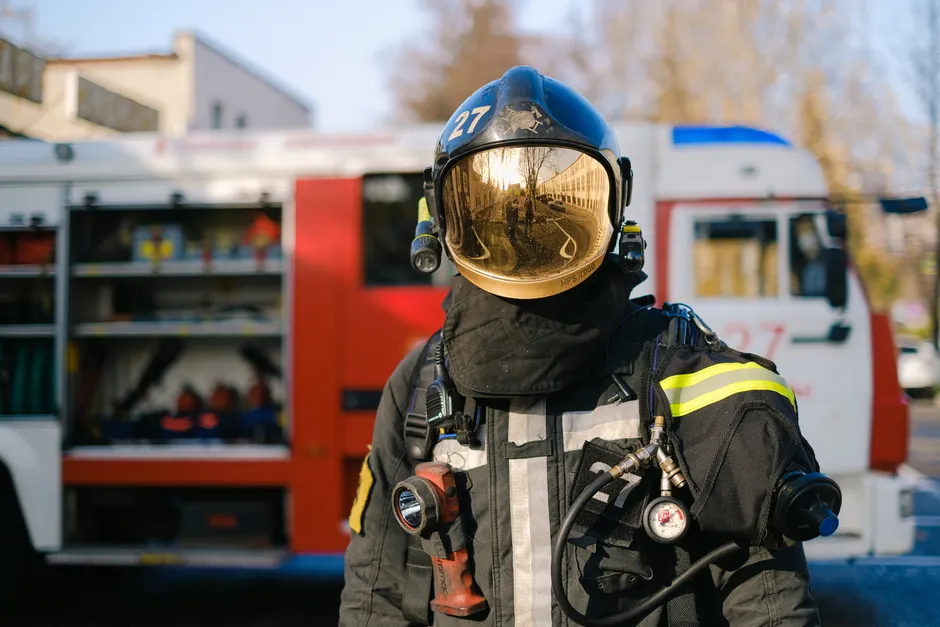
French authorities have placed an 18-year-old volunteer firefighter under formal investigation and imprisoned him on suspicion of starting the blaze that swept through the Fontainebleau forest south of Paris, according to Prosecutor Diane Ngomsik, who spoke to AFP about the case (BBC; Midi Libre). The suspect initially confessed to igniting twigs with a lighter and petrol before retracting that confession (BBC). Under French criminal procedure, the status of mis en examen (formally investigated) indicates that a examining judge has found serious or concordant evidence implicating the individual; the separate designation écroué means he has been committed to prison while proceedings continue.
A second 18-year-old man was also placed under formal investigation in connection with the fire, BFMTV reported (BBC). As of the evening of July 15, four individuals remained in garde à vue (police custody) in relation to the case (AFP). BFMTV additionally reported that two suspects acknowledged their involvement in the fire outbreaks, and one was handed over to the procureur de la République (BFMTV).
The fire, which firefighters described as "contained" as of July 15, partially closed France's principal north-south motorway (France 24; BBC). President Macron stated that 10% of the Fontainebleau forest had been burned and that there had been no victims so far (BBC). The forest encompasses the Palace and Park of Fontainebleau, a UNESCO World Heritage site since 1981 (BBC).
France has registered nearly 11,000 fires since the beginning of the year, according to the same reporting (BBC). Le Monde published an analysis on July 16 examining the profiles of forest fire perpetrators in France, citing the procureur de la République of the tribunal judiciaire de Perpignan (Le Monde). TF1Info had earlier reported that a volunteer firefighter admitted to setting fire in the Fontainebleau forest (TF1Info).
The broader context here is twofold. First, the involvement of a volunteer firefighter as a suspect places the case within a pattern that French judicial authorities and researchers have documented for years: a non-trivial share of forest arsonists are first responders or individuals with connections to firefighting services. The Le Monde analysis published the same day as the charges underscores this dimension, drawing on prosecutorial expertise from Perpignan, a jurisdiction that has dealt extensively with Mediterranean forest fires. The retracted confession adds procedural complexity; French courts weigh initial admissions against subsequent retractions, and the evidentiary burden will now turn on forensic reconstruction of the fire's origin and any corroborating material from the co-suspects still in custody.
Second, the Fontainebleau fire's impact on critical infrastructure, the partial closure of the main north-south motorway, illustrates the cascading consequences of forest fires in densely connected European corridors. Fontainebleau is not a remote Mediterranean scrubland; it sits within the Île-de-France, and the UNESCO-designated palace grounds inside the forest carry cultural heritage protections that add a political dimension to the response. Macron's decision to cite the 10% burn figure publicly signals the severity his government attaches to the event, particularly against the backdrop of nearly 11,000 fires registered nationwide since January.
The legal process now moves through the instruction phase, with the examining judge gathering evidence against both formally investigated suspects. The four individuals remaining in garde à vue face a maximum of 48 hours under standard French police custody rules, after which they must either be released or presented to a magistrate for potential formal investigation. The volunteer firefighter's detention (écroué) means he will remain in custody pending further proceedings, a decision typically made when a judge assesses risk of evidence tampering, witness pressure, or flight.


