UK Bilateral Aid to African Countries Cut by Up to 90%, FCDO Annual Report Confirms
UK bilateral aid to several African countries will be reduced by up to 90% by 2029 under multi-year spending allocations set out in the Foreign, Commonwealth and Development Office's annual report and accounts for 2025–2026, according to analysis by Bond, the umbrella group for UK development charities. The cuts, first reported by The Guardian on July 16, 2026, draw on FCDO figures that include a country-by-country breakdown of aid reductions over the next three years (The Guardian).
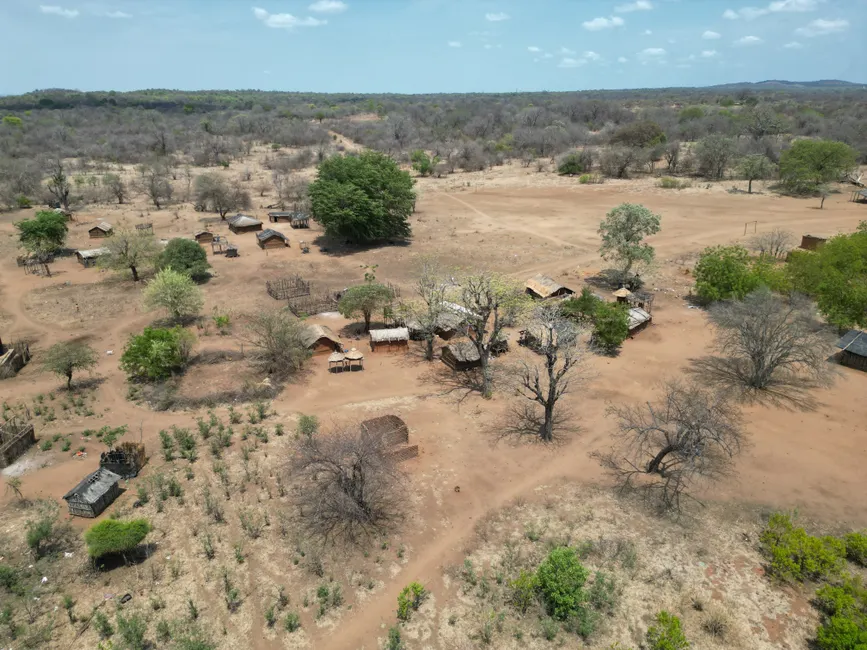
Bond's analysis found that bilateral aid to Mozambique and Malawi will fall by 90% by 2029. Aid to Rwanda and Sierra Leone will be cut by 80%, while Somalia faces a 49% reduction over the same period. Romilly Greenhill, Bond's chief executive, identified Ethiopia, Malawi, Mozambique, Rwanda, Sierra Leone, and Uganda as the countries losing UK aid funding under the Labour government's current allocations.
These country-level reductions sit within a broader framework of UK aid contraction. Bilateral official development assistance (ODA) channelled through the FCDO will fall by an estimated 37% under the multi-year programme allocations for 2026/27 to 2028/29, according to an Equality Impact Assessment published by the FCDO in March 2026 (FCDO Equality Impact Assessment). Bilateral ODA has been cut more heavily than multilateral ODA in the FCDO's multi-year spending allocations, and the Commons Library confirms that the greatest planned cuts in UK aid are to bilateral programmes (House of Commons Library).
The overall trajectory is stark. UK aid spending is being reduced to 0.3% of GNI by 2027/28. UK bilateral aid to Africa specifically is planned to fall from £818 million to £688 million over the three years to 2028/29. In 2025, the volume of FCDO bilateral ODA identified as benefitting a single country or region stood at £3,162 million (UK Government Statistics on International Development). A £0.5 billion reduction was also applied to 2025–26 ODA budgets across government departments, as set out in the Autumn Budget.
The political chain of events behind these figures is straightforward. In February 2025, Keir Starmer's government announced deep reductions to overseas aid spending to fund increases in the defence budget. Anneliese Dodds resigned as development minister on February 28, 2025 over the decision. In March 2026, Foreign Secretary Yvette Cooper made a written statement to parliament explaining that the UK would transition away from high levels of grant ODA in a range of countries. Jenny Chapman now serves as UK development minister as of July 2026.
The FCDO had previously published the full ODA spending allocations on July 22, 2025, framing them as a "modernised aid budget" focused on impact, value for money, and transparency (UK Government). The annual report and accounts published on July 16, 2026 provide the country-by-country breakdown that has enabled external scrutiny of the allocations (FCDO Annual Report).
Lisa Wise, director of global outcomes at Save the Children, said the international budget allocations "reflect reductions in public investment in countries and children that need it most."
The structural choices embedded in these allocations merit attention. By shielding multilateral ODA from the steepest cuts while concentrating reductions on bilateral programmes, the FCDO is effectively reshaping the UK's development footprint: fewer country-level partnerships, more reliance on pooled multilateral channels. For fragile states like Somalia, where a 49% bilateral cut compounds existing security and humanitarian pressures, the shift from grant ODA to alternative financing models raises questions about continuity of programming on the ground. For Mozambique and Malawi, the 90% figure signals something close to a full withdrawal of bilateral support over the three-year period.
The broader context here is a fiscal reallocation driven by defence priorities rather than development outcomes. The decision to reduce aid to 0.3% of GNI moves the UK further from the 0.7% target that governed policy before 2021 and below the 0.5% floor that applied subsequently. For development practitioners tracking the implementation timeline, the key dates are already locked in: the multi-year allocations run through 2028/29, and the country-level reductions are phased rather than immediate. What remains uncertain is how partner governments and implementing organisations will absorb the cliffs in bilateral funding, particularly in countries where the UK has been a dominant donor for decades.