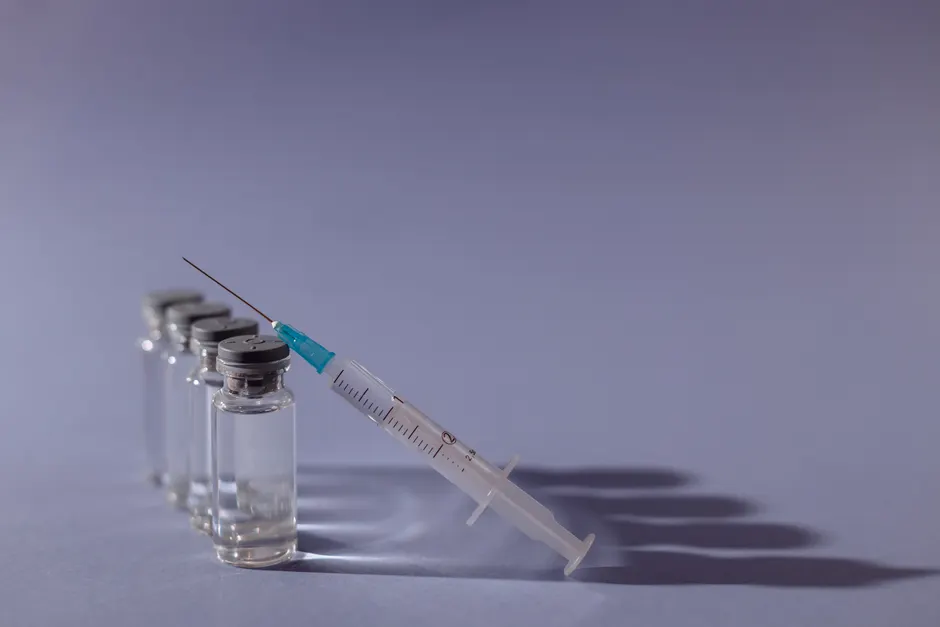
FDA Approves Merck's Lipfendra, the First Oral PCSK9 Inhibitor for LDL Cholesterol Reduction

The U.S. FDA has approved Merck's Lipfendra (enlicitide decanoate), the first and only oral PCSK9 inhibitor cleared to reduce LDL-C in adults with hypercholesterolemia. Merck announced the approval on July 16, 2026, and said the once-daily pill should be available within weeks (The Guardian). The FDA published its official approval notice the previous day on fda.gov (FDA).
Lipfendra is a macrocyclic peptide taken once daily and is intended for use in conjunction with statins, though in some cases it can be taken alone (Merck; The Guardian). It is designed to lower LDL cholesterol beyond what statins alone can achieve (WSJ). In late-stage clinical trials, Lipfendra reduced LDL cholesterol by up to 59% (Yahoo News). The New York Times reported that trial data show the drug can bring LDL levels down to 50 or 60 mg/dL or even lower (The Guardian).
Until now, PCSK9 inhibitors had to be administered by injection. A pill form is expected to broaden uptake of the drug class considerably, removing a logistical barrier that may have constrained prescribing patterns for injectable predecessors (The Guardian).
Dr. Paja Banka, associate vice-president for global clinical development at Merck and a pediatric cardiologist, said that seventy per cent of patients are not reaching their LDL cholesterol goal. She also reported that side effects in clinical trials were minimal, included no muscle aches, and were comparable to placebo (The Guardian).
The approval arrives against a clinical guideline landscape that shifted recently. In March 2026, the American College of Cardiology and the American Heart Association issued new LDL cholesterol guidelines setting LDL-C targets below 100 mg/dL for patients at borderline or intermediate risk, below 70 mg/dL for high-risk patients, and below 55 mg/dL for those with ASCVD at very high risk (The Guardian). Heart disease remains the leading cause of death in the United States (The Guardian).
Merck set Lipfendra's list price at $10.50 per day, or more than $300 per month. The company said it expects out-of-pocket costs to be lower than the list price for many patients, though the specifics of payer coverage and rebate arrangements will determine real-world access (The Guardian).
The broader context here is the interplay between the PCSK9 inhibitor class's clinical efficacy and its historical adoption challenges. Injectable PCSK9 inhibitors demonstrated substantial LDL-C reduction in trials but faced persistent hurdles in real-world uptake, driven partly by cost, prior authorization requirements, and patient reluctance around self-injection. Lipfendra's oral formulation directly addresses the injection barrier. Whether the pill form translates into materially higher prescribing volume will depend heavily on payer formulary placement, out-of-pocket cost structure, and the degree to which clinicians and patients adopt the new guidelines' aggressive LDL-C targets in routine practice.
The guideline revisions from the ACC and AHA in March 2026 materially lowered the bar for what constitutes adequate LDL-C control, particularly for very-high-risk ASCVD patients now targeted at below 55 mg/dL. If even a fraction of patients newly classified as above-goal under those criteria are prescribed Lipfendra, the addressable population expands considerably. The question for payers and health systems will be whether the per-patient cost, even at a negotiated net price below list, scales sustainably against the cardiovascular-event reduction the drug is designed to deliver.