Coca-Cola Discloses Ransomware Attack on Fairlife, Halting U.S. Production
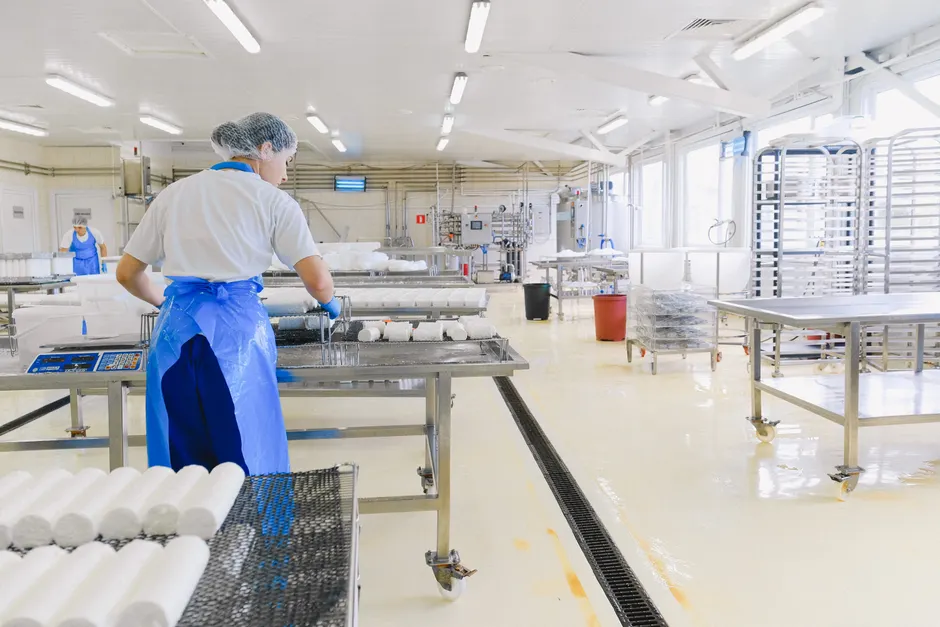
Coca-Cola disclosed in an SEC filing on July 16, 2026 that its Fairlife dairy subsidiary was hit by ransomware, forcing a temporary suspension of production operations across the United States (TechCrunch).
The filing states that Fairlife's production systems were affected by the attack, though Coca-Cola did not specify when those systems would be restored. Fairlife's operations in Canada remain unaffected, according to TechCrunch's reporting.
Fairlife is one of Coca-Cola's major brands, with an estimated $4 billion in sales as of 2024. The subsidiary produces ultra-filtered milk and protein beverages sold under the Fairlife and Core Power brands, positioning Coca-Cola in the premium dairy and functional beverage segments. A nationwide production halt for a brand generating revenue at that scale carries immediate supply-chain implications for retailers, distributors, and food-service customers across the United States.
The disclosure itself is notable for its regulatory channel. By filing with the SEC rather than issuing a press release or relying on media coverage, Coca-Cola appears to be treating the incident as material to investors. Public companies are required to disclose material cybersecurity incidents under rules adopted by the SEC in 2023, which mandate that registrants report a qualifying breach within four business days of determining materiality. The filing on July 16 indicates Coca-Cola made that materiality determination recently, though the timeline of the attack itself, including when it began and when it was detected, has not been publicly detailed.
Several critical details remain undisclosed. Coca-Cola has not identified the ransomware group responsible, the specific production systems compromised, whether data was exfiltrated alongside encryption, or whether a ransom demand has been made. The company has also not provided an estimated restoration timeline, leaving open the question of whether the production halt will be measured in days or weeks.
What the filing does establish is the operational blast radius: all U.S. production at Fairlife is suspended, and Canadian operations are intact. That geographic split suggests the ransomware affected infrastructure specific to U.S. facilities rather than a shared corporate network spanning both countries, though this has not been confirmed. It raises a practical question about how Fairlife's IT and operational technology environments are segmented across borders.
For context, ransomware attacks on manufacturing and food-production operations have been a recurring pattern. Attackers frequently target industrial environments because downtime translates directly to revenue loss, increasing pressure on victims to pay. Production systems, when they sit on networks reachable from compromised corporate infrastructure, can be cascaded into shutdowns even when the ransomware itself operates at the IT layer rather than the OT layer.
Worth flagging is the gap between what has been disclosed and what security and operations teams would need to assess exposure. The SEC filing satisfies a regulatory obligation, but it provides no technical indicators of compromise, no attribution, and no detail on the attack vector. Partners, suppliers, and customers with integration into Fairlife's systems have no actionable intelligence from the disclosure itself. Anyone in Fairlife's supply chain should treat the incident as a potential third-party risk and proceed accordingly, checking for any shared authentication, network access, or data-exchange mechanisms that could provide lateral movement from the compromised environment.
The financial stakes are real. A brand doing roughly $4 billion in annual sales generates over $10 million per day in revenue at the top line. Even a partial-week suspension could translate into meaningful lost production volume, though the extent of that impact will depend on how quickly Coca-Cola can bring its systems back online and whether it can backfill through inventory or Canadian capacity.
Coca-Cola has not commented beyond the SEC filing, and no further technical details have been released publicly. The company's next disclosure, whether through an amended SEC filing or a public statement, will likely focus on restoration progress and any updated assessment of the incident's scope and material impact.
In this author's view, the most instructive element of this incident is not the attack itself but the disclosure pathway. The SEC's cybersecurity disclosure rules, now in effect for over two years, are functioning as designed: pushing material incidents into a regulated, time-bound reporting framework rather than allowing them to remain quietly handled behind closed doors. Whether the four-day materiality window produces disclosures detailed enough to be useful to anyone beyond shareholders, though, remains an open question. This filing tells investors that something happened and that it matters. It tells security professionals almost nothing they can act on. That gap is not Coca-Cola's fault specifically; it is a structural feature of the current rules, which prioritize materiality disclosure over technical transparency. Whether that balance is sustainable as ransomware incidents grow more frequent and more disruptive is a question regulators will eventually need to revisit.
For now, Fairlife's U.S. production lines are dark. The timeline for their return is unknown.