Russian Drone Strikes Hit Ukrainian Ports as Fedorov Ouster Sparks Protests
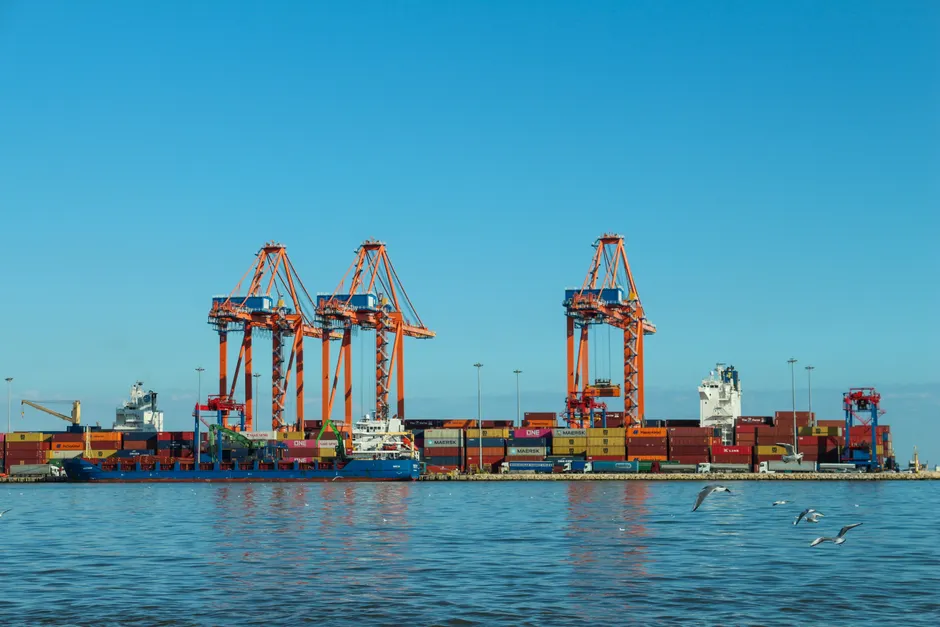
Russian drones struck port infrastructure in Mykolaiv on 17 July 2026, damaging three foreign-registered vessels and killing two Ukrainians on board one of them, according to Al Jazeera. The same wave of attacks hit Kherson, killing a woman and wounding six others, and struck Odesa, where a man was killed. Serhii Lysak, head of the Odesa City Military Administration, confirmed the Odesa casualty.
The strikes on Mykolaiv's port infrastructure are notable for the damage to foreign-registered commercial vessels, which extends the conflict's impact on international shipping interests beyond purely Ukrainian military assets. Two Ukrainian crew members aboard one of the foreign vessels were killed in the attack, underscoring the human cost to civilian maritime personnel operating in Ukrainian ports.
Russia's Ministry of Defence claimed its forces had struck 24 vessels used by the Ukrainian military over the past week as of 17 July 2026. The claim could not be independently verified. Ukraine's drone forces commander, Robert Brovdi, reported a counterstrike the same day: Ukrainian forces hit 12 Russian vessels in the Black Sea. Ukraine's military identified two of those vessels as Russian tankers. Ukraine also said it struck a Russian oil refinery in the Yaroslavl region, expanding the scope of its deep-strike campaign against Russian energy infrastructure.
The naval and infrastructure exchanges come against a backdrop of political upheaval in Kyiv. President Volodymyr Zelenskyy ousted Defence Minister Mykhailo Fedorov, 35, as part of a broader cabinet reshuffle. Zelenskyy named Yevgeniy Khmara, head of Ukraine's SBU security service, as acting defence minister, and tapped former Interior Minister Ihor Klymenko to chair Ukraine's defence and security council.
Fedorov's removal has proved destabilizing. After being forced to resign, he harshly criticised military chief Oleksandr Syrskyi and questioned whether Ukraine could defeat Russia with Syrskyi in charge. Those remarks from a recently dismissed defence minister inject a public dimension into what may be an internal command dispute, at a moment when front-line and rear-area attacks are intensifying.
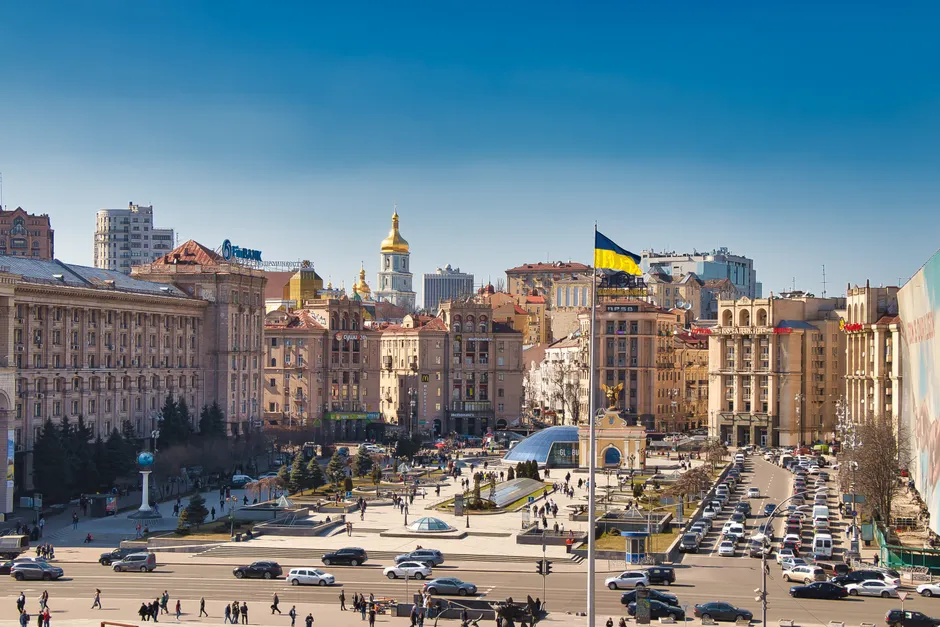
Protests outside President Zelenskyy's office in central Kyiv continued for a second day on 17 July 2026, with demonstrators demanding Fedorov's reappointment. The movement spread beyond the capital: pro-Fedorov supporters rallied in Kharkiv, Ternopil, Mykolaiv, Chernivtsi, and Lutsk, according to Ukrinform. Valeriia Balenko, a 29-year-old protester, told Reuters she hoped the authorities would listen to the people and reappoint Fedorov.
The convergence of intensified Russian strikes on southern port cities with a domestic political crisis over defence leadership creates a compound pressure point for Kyiv. The Mykolaiv attack damaging foreign-registered vessels may draw renewed attention from governments whose nationals or commercial interests are exposed in Ukrainian ports. Meanwhile, the protests across multiple cities suggest Fedorov's dismissal has resonated beyond the capital in ways that a routine cabinet reshuffle would not.
Zelenskyy's decision to install Khmara, an SBU chief, as acting defence minister and Klymenko, a former interior minister, as defence and security council chair signals a preference for security-service veterans over political appointees in the top defence posts. Whether that calculus addresses the concerns driving protesters into the streets in six cities is a separate question, and Fedorov's public break with Syrskyi ensures that the leadership question remains contested rather than settled.
On the military axis, the reciprocal naval strikes, Ukraine reporting 12 Russian vessels hit and Russia claiming 24 Ukrainian vessels struck over the prior week, point to an intensifying maritime dimension. Ukraine's identification of two of the targeted vessels as Russian tankers, combined with its strike on the Yaroslavl refinery, suggests a continued focus on degrading Russian fuel logistics and naval assets simultaneously. Russia's targeting of Mykolaiv's port infrastructure, in turn, indicates a parallel effort to disrupt Ukraine's commercial and logistical maritime capacity, with foreign-registered vessels now caught in the crossfire.